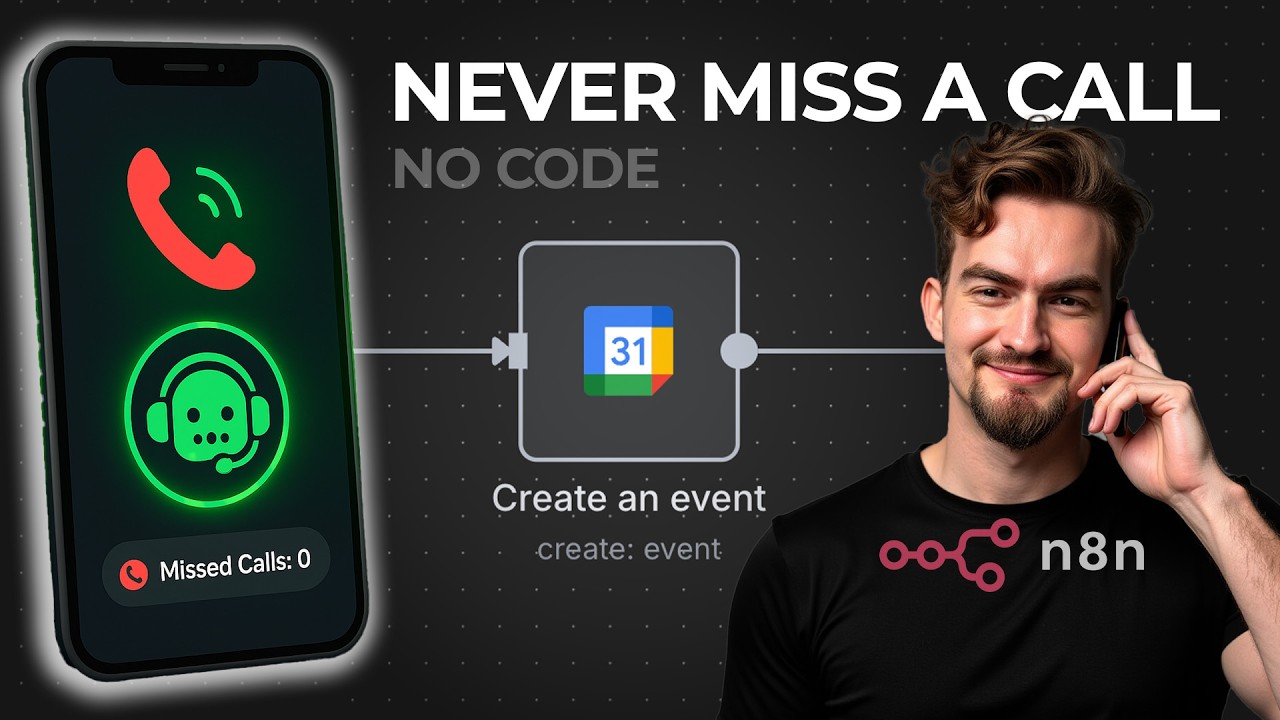
Valuable Insights from the AI Receptionist Tutorial
Key Points:
- Purpose of AI Receptionist: The AI receptionist aims to minimize missed calls, which represent potential lost revenue for businesses. By ensuring calls are answered promptly (within 20 seconds), the AI helps maintain customer engagement and service continuity.
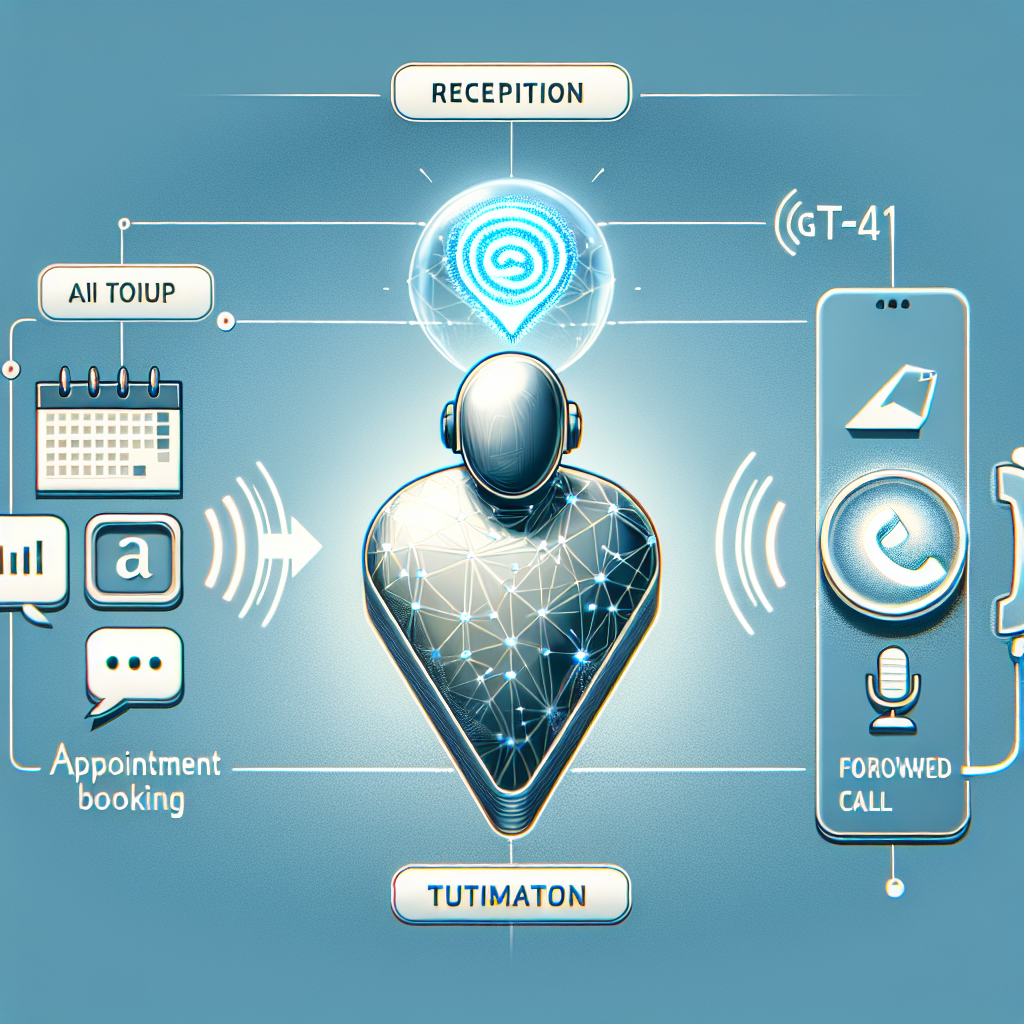
- Setup Process: The creation of an AI receptionist involves three main steps:
- Setting Up AI Voice: Create a voice assistant using a service like WP.
- Expanding Functions: Enable functionalities such as booking appointments through calendar integration.
- Providing a Phone Number: Either use a new phone number or forward calls from the existing number to the AI.
- Choosing AI Models: The effectiveness of the AI depends on selecting an appropriate model. The presenter recommends the GPT-41 model for better performance, based on personal testing.
- System Prompt and Testing: A clear and concise system prompt is critical. The assistant should have well-defined roles and context to answer queries accurately. Testing functionalities through simulated interactions allows adjustments to the AI’s response capabilities.
Insights:
- Business Automation: Automating customer interactions not only saves time but also improves customer satisfaction by ensuring they receive immediate attention.
- Customization: Tailoring the AI's prompts and responses can enhance its effectiveness in addressing specific customer needs, leading to a better overall experience.
- Adaptive Learning: Testing various models and refining the system prompt based on performance results highlights the importance of adaptive learning in AI solutions.
Actionable Advice:
- Choose the Right Tools: Use WP for voice generation and 11 Labs for voice customization to enhance the AI's interaction quality. Integrate with Google Calendar using n8n for appointment management.
- Define Clear Context: Ensure the AI has comprehensive information about services, opening hours, and emergency contacts to provide accurate assistance.
- Test and Iterate: Regularly test the assistant’s functionalities to identify areas for improvement. Adjust prompts and response frameworks based on interaction feedback.
- Use No-Code Solutions: Leverage no-code platforms to build and customize AI solutions without requiring extensive programming skills.
Supporting Details:
- Voice Customization: The use of platforms like 11 Labs helps in selecting the right voice that fits the brand personality. This is crucial for ensuring a relatable and professional customer interaction.
- Real-World Application: The tutorial provides a practical example using a fictitious dental clinic, emphasizing that the principles can be adapted for various industries.
- Community and Resources: Joining a community focused on AI automation can offer support, tutorials, and practical resources for developing customized solutions.
Personal Reflections:
The transition to AI-driven customer service represents a significant shift towards efficiency and responsiveness in business operations. As someone who values customer engagement, the insights from this tutorial resonate deeply, especially the emphasis on reducing missed opportunities through timely communication. Moreover, the tutorial's focus on a no-code approach makes this technology accessible to a broader audience, inviting more users to explore AI's benefits without a technical background. This shift empowers more businesses to leverage technology in enhancing customer relationships and operational efficiency.
Conclusion:
With the integration of AI receptionists into business practices, companies can expect to see an increase in customer interaction and satisfaction. By following the actionable insights from this tutorial, you can successfully implement AI solutions that enhance your operational efficiency.
Check out the full tutorial here:
Follow us to join our learning journey and stay updated with the latest trends in AI and automation: