
Insights on Transcript Accessibility for Video Content
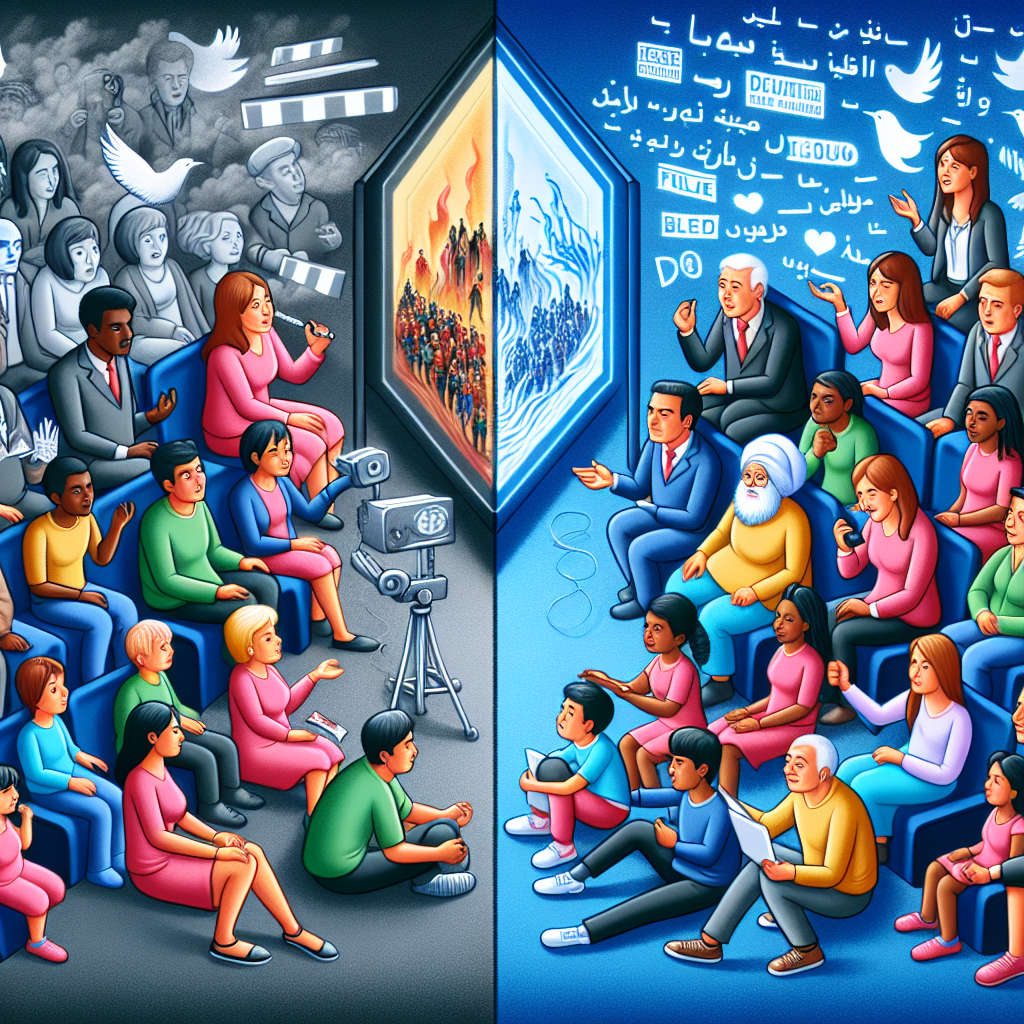
Based on the JSON data provided, here are some valuable insights regarding the transcript access for the video titled "GPT-5 is 58% AGI" from the channel The AI Daily Brief: Artificial Intelligence News.
Key Points:
- Language Availability: The transcript for the video is not available in the requested language, highlighting a limitation for non-English speakers.
- Error Message Clarification: The error message indicates that the video does not support the requested language, which may affect accessibility for international audiences.
- Available Languages: The only language available for the transcript is English ("en"), suggesting that users seeking content in other languages will have to look for alternative resources or translations.
Insights:
- Accessibility Challenges: This scenario underlines the broader issue of accessibility in digital content. When transcripts and subtitles are limited to a single language, it can hinder understanding and engagement from diverse audiences.
- Importance of Multilingual Support: Providing content in multiple languages can significantly enhance reach and inclusivity, allowing for a broader understanding and appreciation of the material, especially in educational and informational contexts.
Actionable Advice:
- For Content Creators: It’s advisable to consider creating transcripts in multiple languages to cater to a global audience. This could involve collaborating with translators or using translation tools to increase accessibility.
- For Viewers: If a transcript in the desired language is unavailable, consider using translation services or tools that can translate the English transcript for personal use.
Supporting Details:
- The mention of language availability reveals a marketing and engagement strategy that may not be fully realized when services are offered in a single language. Companies or creators could benefit from analyzing their audience demographics to determine where to invest in translation services.
- Platforms that support user-generated subtitles or community contributions may help mitigate these issues, allowing users from diverse backgrounds to contribute translations.
Personal Reflections:
This situation resonates with the ongoing conversations around inclusivity in digital content. As someone who values accessible education, the limitation of language availability presents a barrier that I believe we need to address. The insights raise important considerations about our responsibility to ensure that knowledge is accessible to all individuals, regardless of their language proficiency.
Conclusion:
The availability of video transcripts in only one language presents both challenges and opportunities. By addressing these gaps, creators can foster a more inclusive environment that allows diverse audiences to engage with content effectively.
Watch the Video:
Join our learning journey! Follow us on social media for the latest insights: