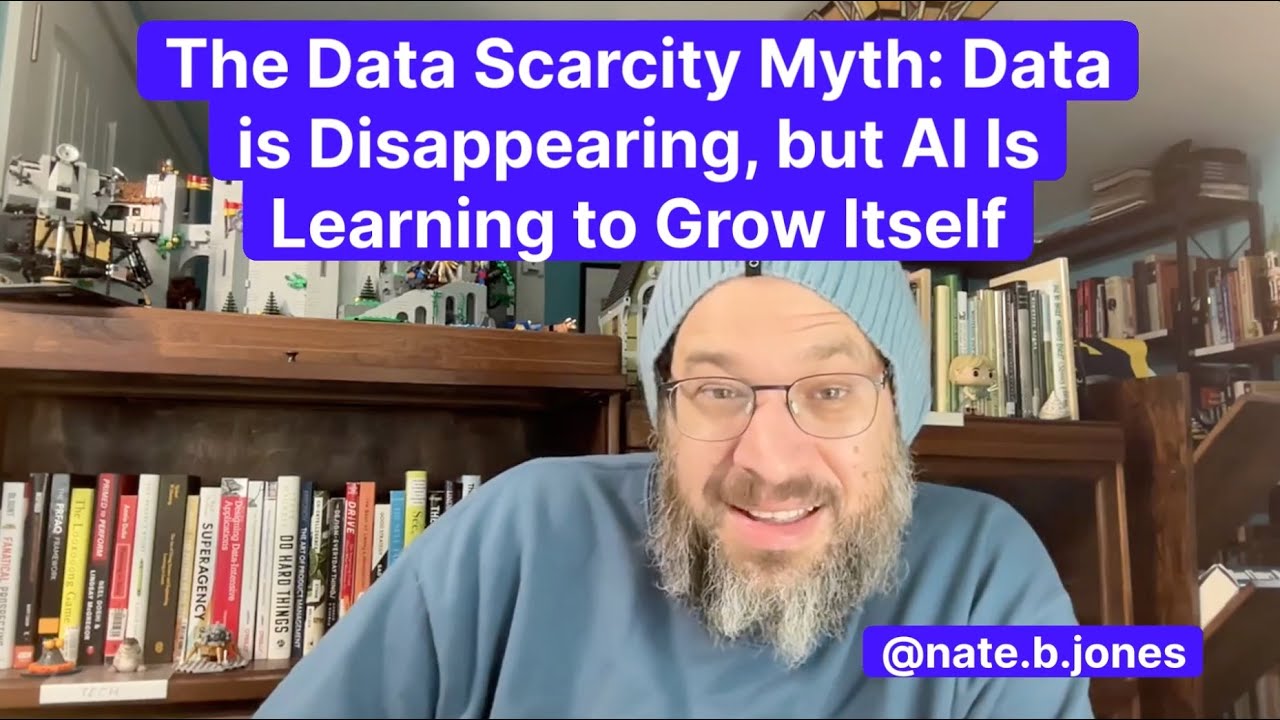
Data Scarcity and AI Advancements: Shifting Paradigms

In a rapidly evolving landscape, the perception of data is undergoing significant transformations, especially in relation to artificial intelligence (AI). Here are valuable insights distilled from a recent video that explores the nuanced relationship between data scarcity and AI advancements.
Key Points
- Changing Perception of Data: The mantra of "data is the new oil" is being contested as trends in data access evolve. Executives are imposing restrictions on live data streams, reshaping the way data is valued.
- Data Lock-Offs: Companies are barricading access to crucial data to protect proprietary information. A notable example includes OpenAI's acquisition of Windinsurf, emphasizing the importance of safeguarding data.
- User-Generated Artificial Data: The rise of data created by AI models, such as ChatGPT, is emerging as a vital resource, increasingly regarded as proprietary and renewable.
- Legal Constraints on Data Access: Ongoing legal disputes, like those between The New York Times and Disney, highlight efforts to control branded content and further restrict data use.
- Synthetic Data as an Asset: Synthetic data is gaining recognition as a valuable training tool for AI, moving from perceived liability to significant asset due to its efficacy in enhancing AI models.
- AI Self-Improvement: Advances in reinforcement learning suggest that AI systems may achieve self-improvement, indicating a shift in focus from data scarcity to harnessing computational power.
Insights
- Emerging Data Paradigm: The trend of restricting data flows reflects a potential paradigm shift where access may become less critical, particularly if synthetic data technology continues to flourish.
- Control and Proprietorship: Ongoing legal actions symbolize a struggle over data ownership, potentially sparking competition and innovation as businesses seek to establish proprietary advantages.
- AI’s New Role: The evolving capability of AI to leverage synthetic data for learning suggests a transformative phase in technology wherein raw data's significance diminishes.
Actionable Advice
- Embrace Synthetic Data: Organizations should investigate methods for leveraging synthetic data in AI training, recognizing its growing potential.
- Stay Informed on Legal Developments: Monitoring legal battles related to data usage will help businesses navigate pitfalls and spot opportunities in the changing landscape.
- Innovate Around Data Scarcity: Companies must invest in developing AI solutions that thrive with minimal data reliance, concentrating on boosting computational efficiency.
Supporting Details
- Anecdotal Evidence: OpenAI's technology acquisitions and Salesforce's data access barriers demonstrate the competitive dynamics of the AI sector.
- Future Projections: By 2025, control over data may become secondary to computational capabilities, underscoring the necessity for adaptability in business strategies.
Personal Reflection
These insights resonate with observable trends in corporate data management, where control over access is increasingly prominent. The transition towards synthetic data could reshape organizations' data strategies and emphasize innovation in AI capabilities as the dynamics of data accessibility evolve.
Watch the Full Discussion
To delve deeper into these concepts, check out the full video here:
Conclusion
As the landscape of data and AI continues to evolve, organizations must adapt by embracing synthetic data and enhancing their AI capabilities to remain competitive. Join me on this learning journey as we explore the future of technology and data management together!
Follow my social media for more insights and discussions: