
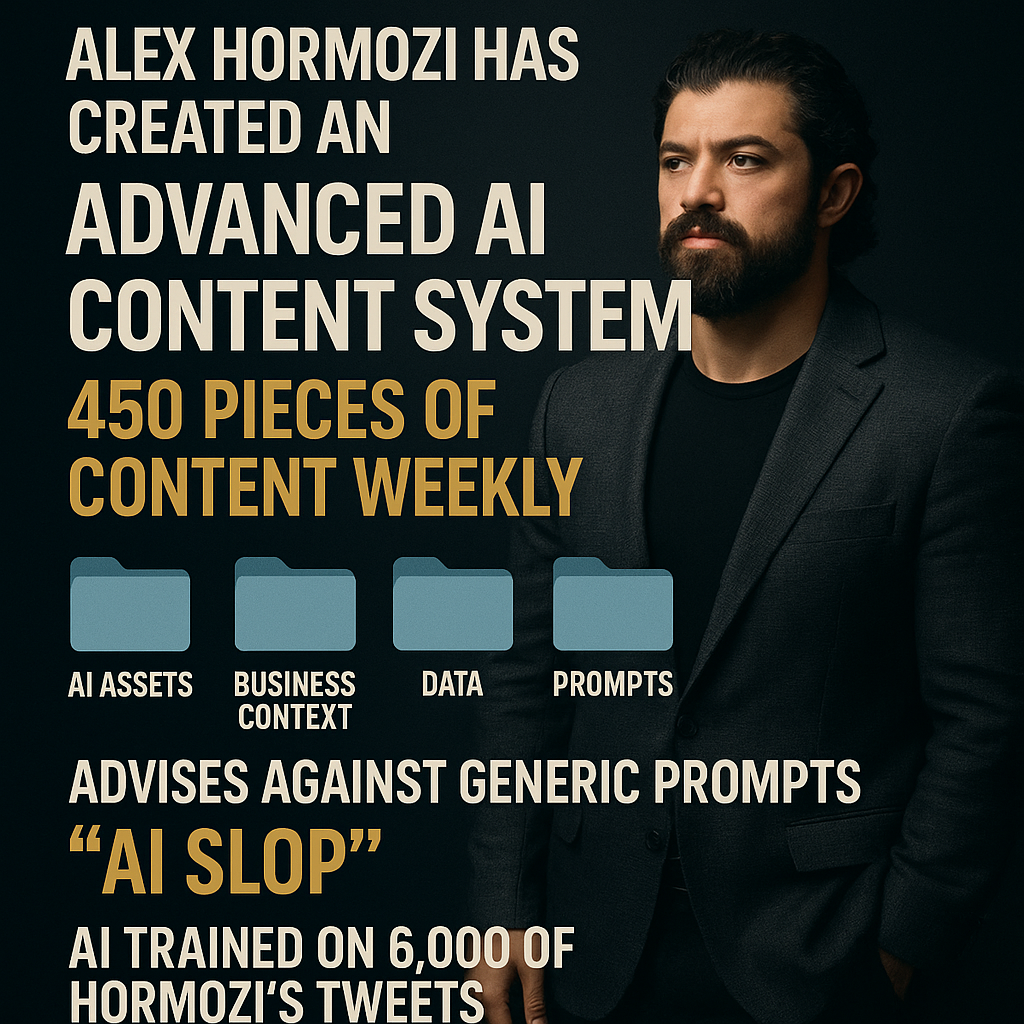
Is there a secret to consistently generating a high volume of engaging content without sacrificing quality? Alex Hormozi seems to have cracked the code with an AI-driven system that churns out 450 pieces of content every week. Leveraging AI doesn’t mean creating generic posts; it's about maintaining the unique voice and resonance while scaling the output.
TL;DR
Alex Hormozi has devised an AI content-generation strategy that involves using detailed business context, data, and customized prompts to produce 450 pieces of high-quality content weekly. The system is organized into a structured workflow with specific prompts, avoiding generic AI output and ensuring consistency in brand voice.
The Problem
The traditional content creation process is time-intensive and often struggles to maintain the consistency and quality necessary to engage audiences effectively. Many businesses face the challenge of producing content at scale without losing their unique brand voice. This is compounded by the inefficiency of using generic AI tools that often lack the nuance needed to create meaningful engagement.
The Strategy
Hormozi's strategy revolves around creating a structured AI content workflow that uses well-informed, business-specific data and precise prompts. This approach ensures the AI outputs are not only prolific but also maintain the brand's unique voice and style. It addresses common pitfalls in AI content generation, such as generic outputs and misalignment with business goals.
How It Works (Step by Step)
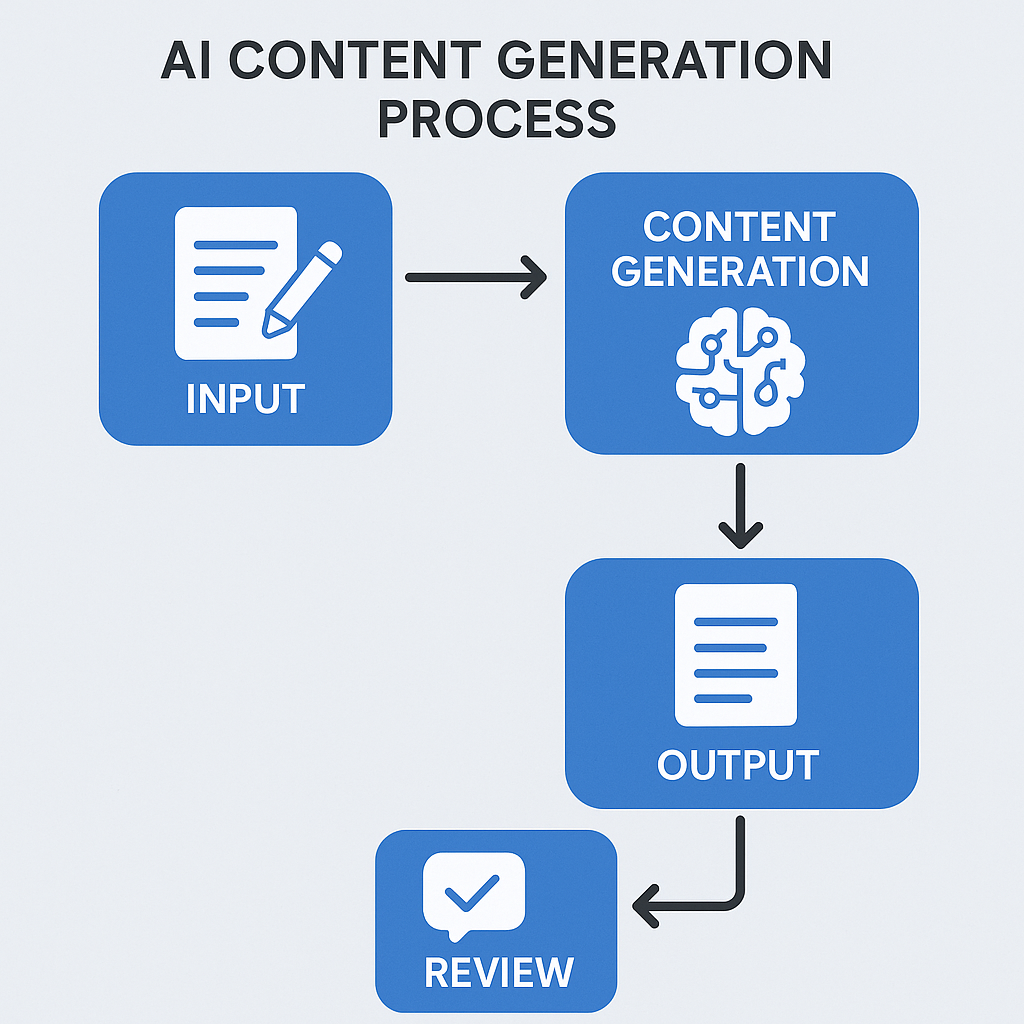
1. Organizing AI Assets
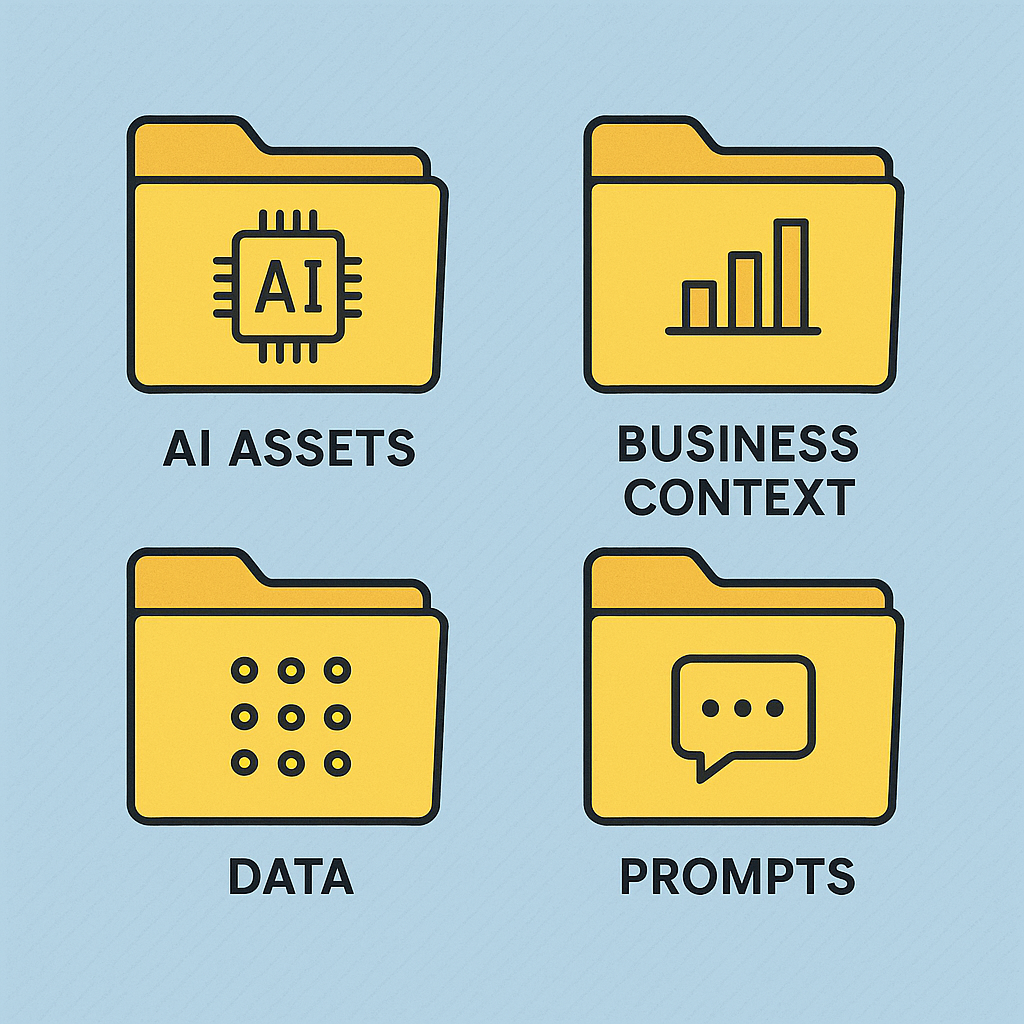
The process begins with setting up four main folders on your desktop: "AI Assets," which includes "Business Context," "Data," and "Prompts." These folders provide a comprehensive collection of business information and historical data.
2. Training the AI with Personal Content
Hormozi's AI is pretrained on 6,000 of his tweets. This ensures that the content generated carries his distinctive voice, addressing the issue of consistency across various platforms.
3. Crafting Specific Prompts
Rather than generic commands, the AI uses longer, carefully tailored prompts that are specific to the task. This specificity leads to better outcomes because the AI understands exactly what is being asked of it.
4. Maintaining Business Context
The key to Hormozi's method is embedding a comprehensive understanding of the business in the AI. This involves feeding it substantial data about the business so that the AI's outputs are aligned with business goals and context.
5. Adapting Content Types
While maintaining a consistent business context, Hormozi tweaks data and prompts based on content type, whether it's a YouTube script or a tweet. This flexibility allows him to create diverse content efficiently.
6. Quality Assurance
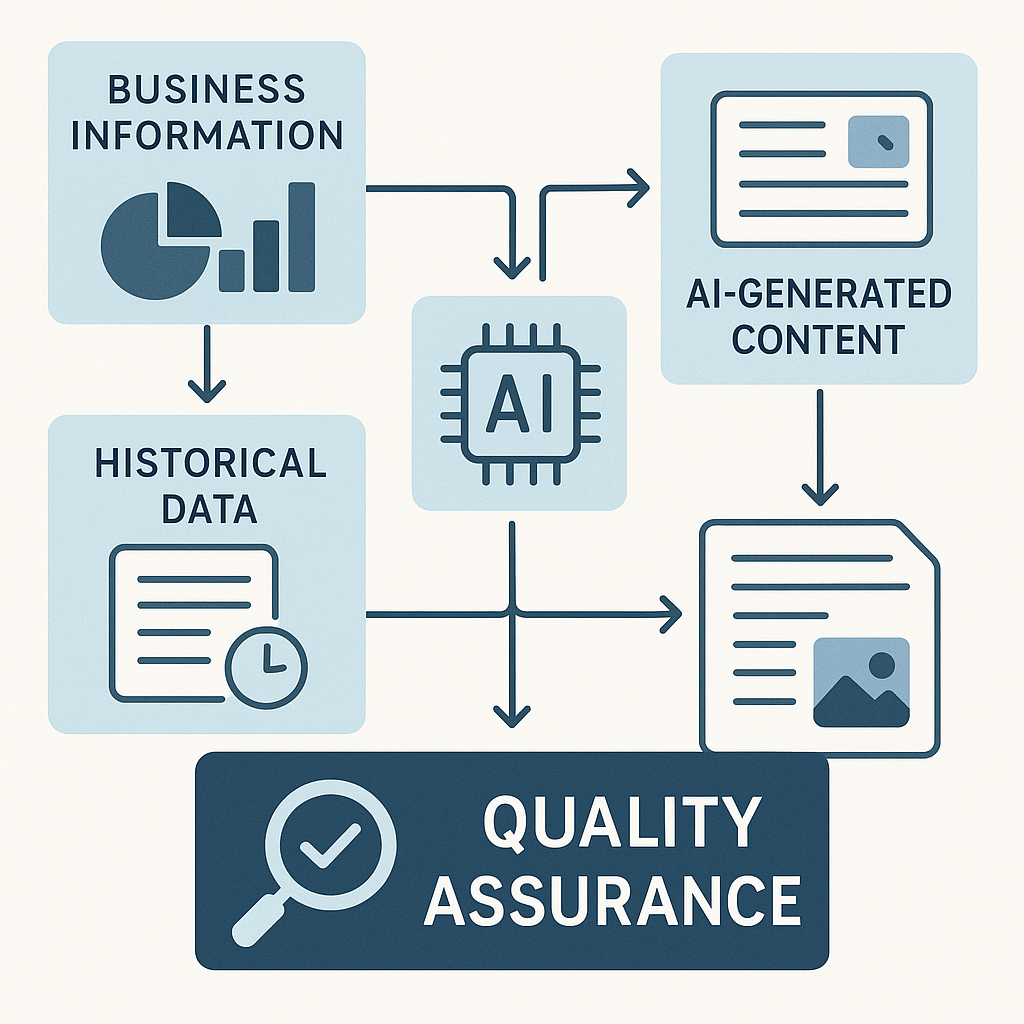
Finally, the integration of detailed business information and historical data ensures high-quality output. Hormozi's system prevents the AI from producing 'AI slop' by focusing on structured workflows and detailed guidance.
Examples from the Source
“This workflow begins by organizing content into four main folders on your desktop: ‘AI Assets,’ which includes ‘Business Context,’ ‘Data,’ and ‘Prompts.’”
“Hormozi's AI is trained on 6,000 of his tweets, which ensures the output maintains his unique voice and style.”
Common Pitfalls
- Using generic AI prompts which result in low-quality, irrelevant content.
- Lack of detailed business context, causing the AI to generate off-brand or misaligned outputs.
- Failure to adapt prompts and data for different content types, leading to inflexible content creation methods.
- Neglecting to incorporate comprehensive historical data, risking inconsistency in brand voice.
Action Checklist
- Organize your AI content system into structured folders with relevant data.
- Pretrain your AI with personal content to ensure unique voice consistency.
- Create long and detailed prompts specific to each task or content type.
- Regularly update the AI with current business context and data.
- Adapt prompts for different content formats while maintaining business identity.
- Review outputs for quality assurance to maintain high standards.
- Use a questionnaire to refine the AI's understanding of your business.
Watch the Full Video
Want more like this?
The full archive of strategy + AI articles lives at strategythread.app, curated weekly, no fluff.