
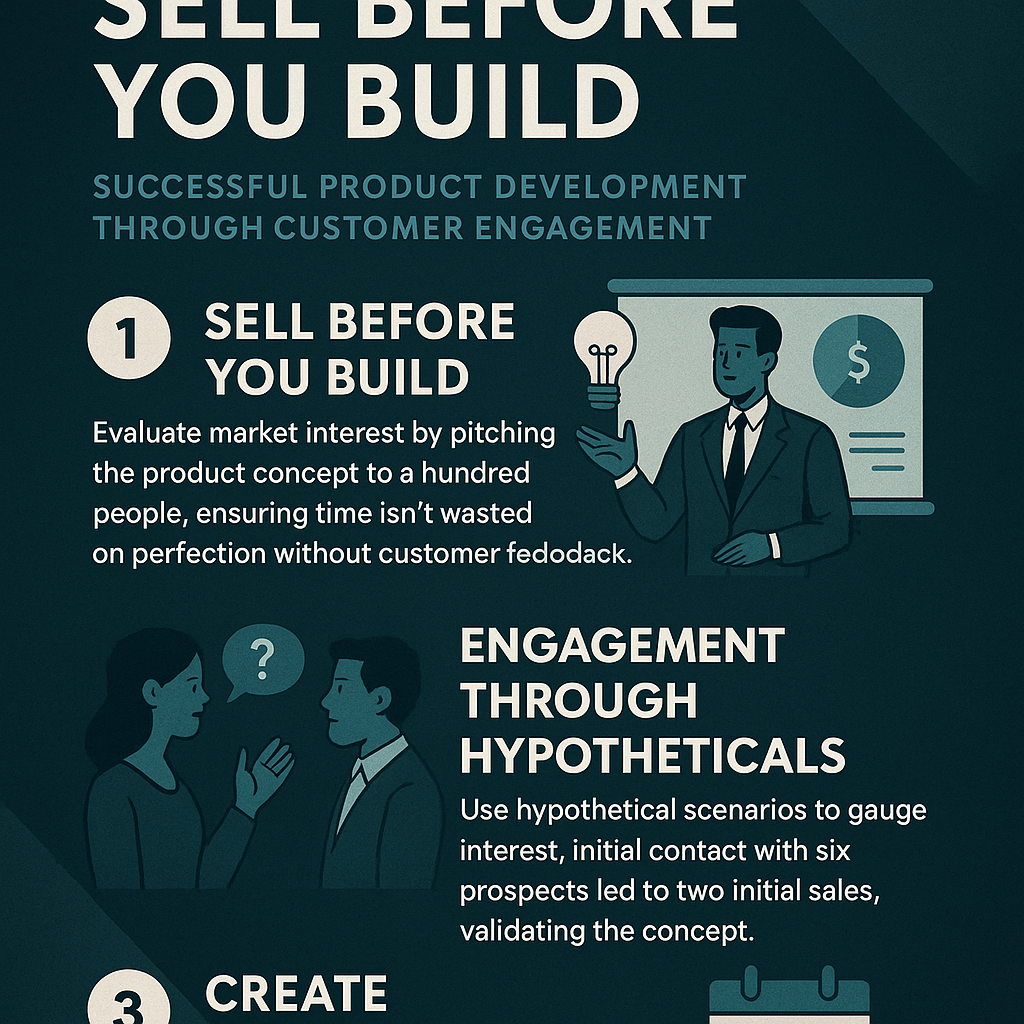
Startup founders often find themselves trapped in the cycle of building the perfect product, only to discover the market doesn’t want it. The truth is, understanding your customers before you start coding is the key to swift growth. Finn Mallery, the creator of the AI tool Origami, turned a $0 investment into $100,000 a month in just six months, and his unconventional approach provides critical insights for anyone looking to launch a product.
TL;DR
Finn Mallery's strategy for rapid growth involves selling a product concept before building it, focusing on customer engagement, and refining the product through direct feedback. His approach emphasizes understanding the ideal customer and iterating based on their needs to ensure product-market fit.
The Problem
Many entrepreneurs face the common pitfall of spending excessive time and resources perfecting a product that lacks confirmed market interest. This often leads to wasted efforts and frustration, as founders may only realize their product doesn't meet actual customer needs after it has been launched, which can result in poor sales and wasted time.
The Strategy
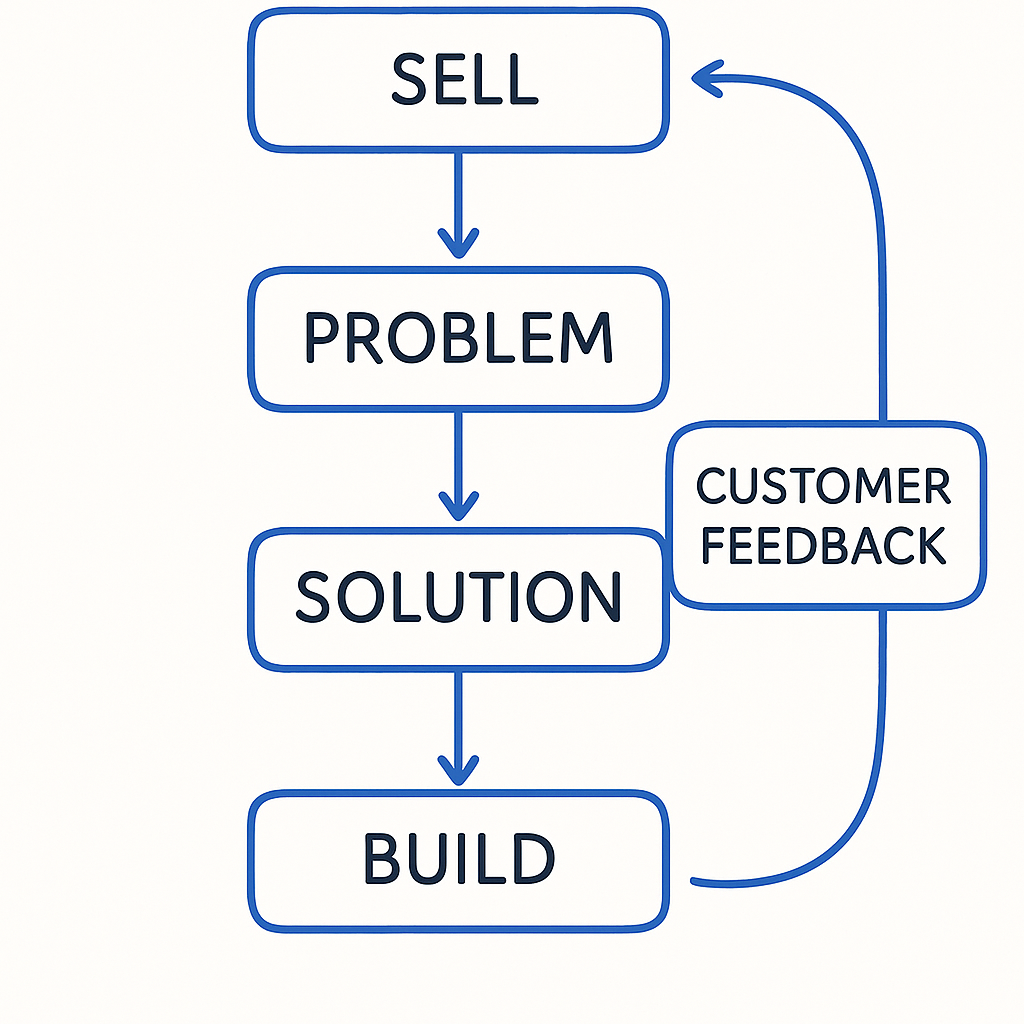
The main framework offered by Isaiah includes a series of tactical steps to validate ideas before investing in product development. By focusing on selling before building and understanding customer profiles deeply, founders can effectively gauge market demand, refine their product, and prevent the common failure point of poor product-market fit. The gist is simple: identify real interest from potential customers before putting in the hard work to build something nobody wants.
How It Works (Step by Step)
1. Sell Before You Build
- Reach out to a minimum of 100 potential customers.
- Present your product concept and gauge their interest.
- Assess the feasibility of your idea based on actual feedback.
2. Engagement through Hypotheticals
- Explain your hypothetical product to interested parties.
- Determine how many are willing to commit financially upon delivery.
- Use this commitment to gauge market interest early on.
3. Create Pressure to Deliver
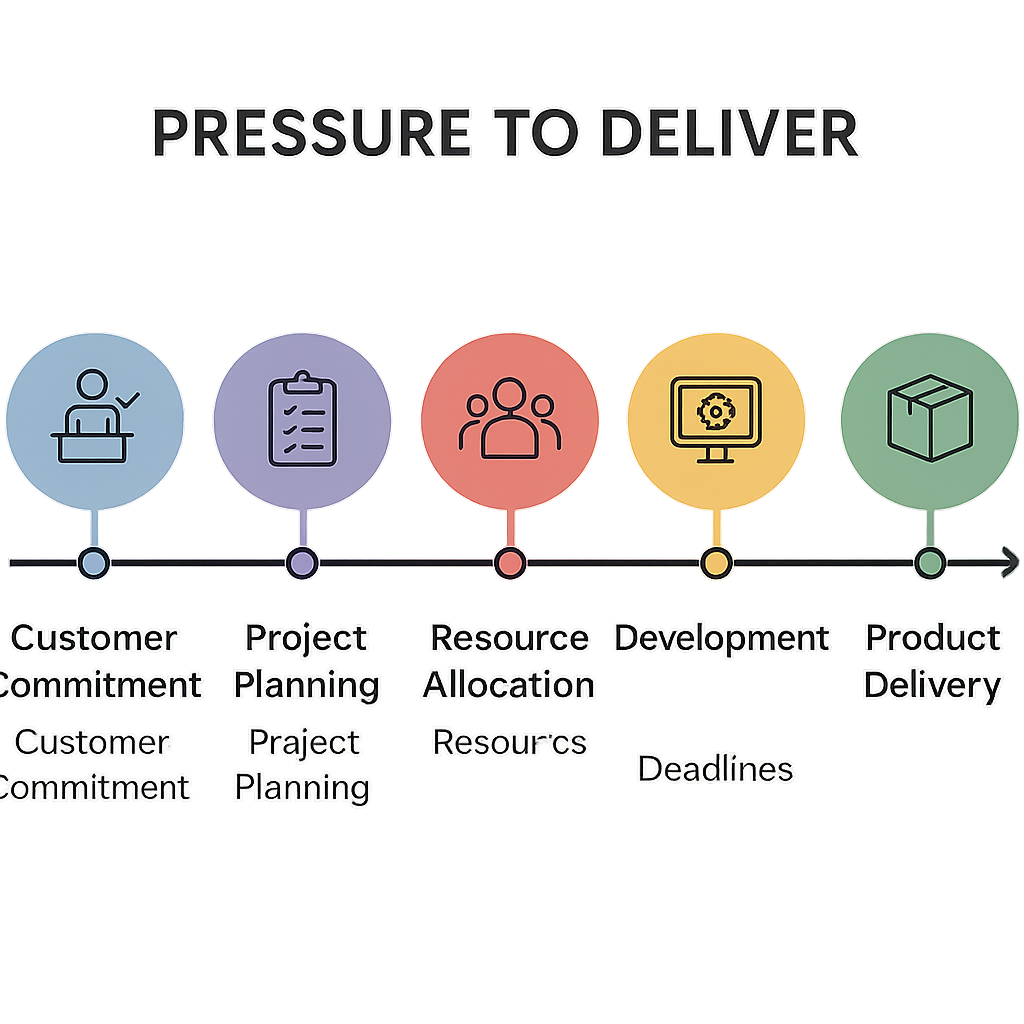
- Set a deadline after confirming customer interest.
- Keep communication channels open for feedback and revisions.
- Accountability will drive you to complete the product on time.
4. Customer Profile Specification
- Craft a detailed customer profile.
- Instead of generalizing, focus on a niche market segment.
- Include specific demographics and pain points relevant to the product.
5. In-depth Customer Understanding
- Write a comprehensive description of your ideal customer's motivations.
- Understand their past experiences with similar tools.
- Use this knowledge to shape your messaging and product features.
6. Evolve Product Vision through Feedback
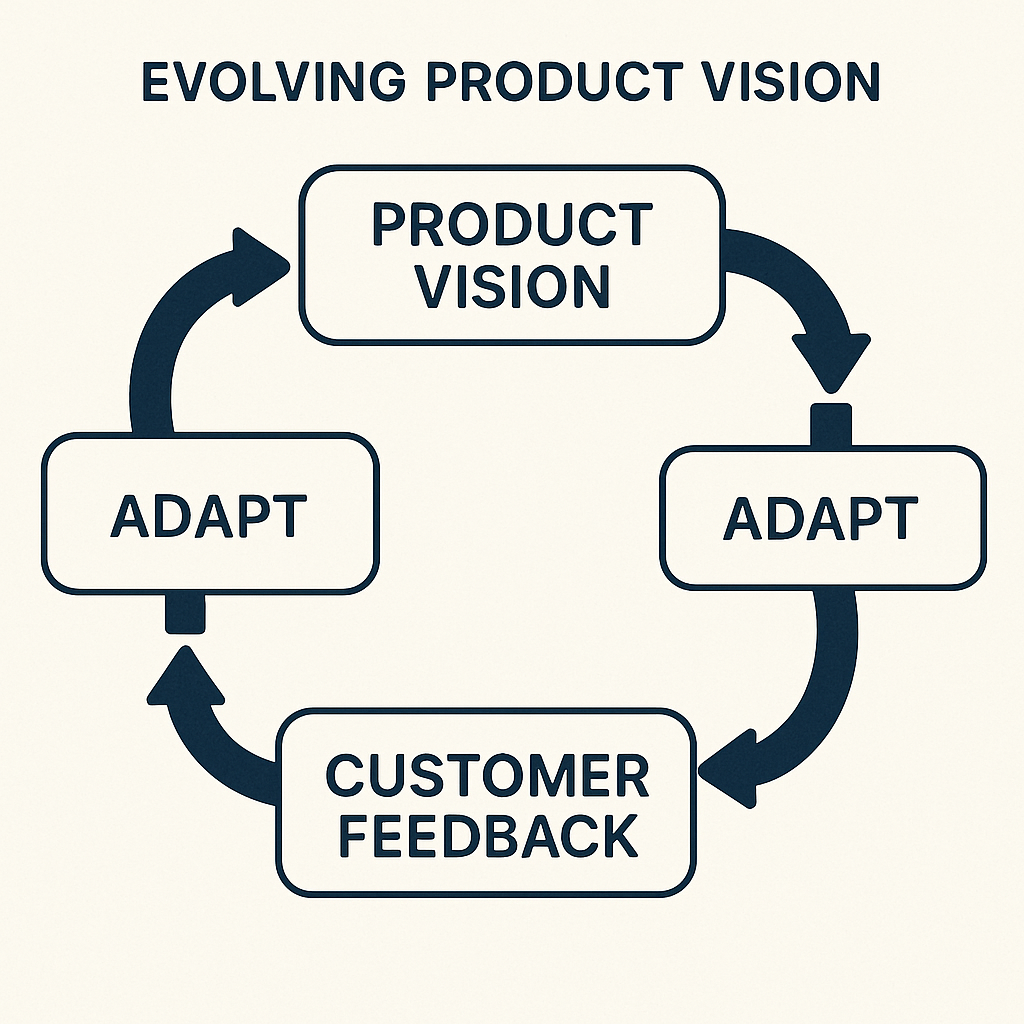
- Iterate on your product concept based on customer insights.
- Adapt features to better fit the needs and preferences of the target audience.
- This increases the likelihood of market adoption.
7. Market Pull Assessment
- Identify market needs before the development phase.
- Use insights gained to shape your offering.
- This process ensures that your product resonates with potential customers.
8. Competitive Differentiation
- Highlight specific needs that larger competitors may overlook.
- Emphasize unique integrations or capabilities relevant to your target market.
- This sets your offering apart and provides compelling reasons for customers to choose your product.
9. Use Qualitative Feedback for Refinement
- Engage customers in discussions to extract valuable insights.
- Use this feedback to refine your product features and marketing approach.
- This direct integration of customer insights enhances product-market fit.
Examples from the Source
“My AI product, Origami, crossed $100,000 a month within six months of writing the very first line of code. Before that, I was making zero dollars and I had never worked a real job before.”
“Instead of the typical advice to launch fast, I argue that you should go to market even before building your product.”
“I managed to get six interested parties, but by the time I delivered the product, only two were willing to pay for it.”
“Imagine you’re targeting CEOs of med spas in Texas that have bad websites... We have integrations for all the point-of-sale systems that med spas use.”
“My original vision for Origami, designed as an AI tool to attract customers, evolved significantly from when I first pitched it based on the insights I gained during these discussions.”
Common Pitfalls
Many entrepreneurs fall into the trap of these common mistakes:
- Launching too late: Waiting to have a perfect product before even testing the market can lead to missed opportunities.
- Generalizing the customer profile: Failing to drill down to specifics can result in an ineffectively targeted pitch.
- Ignoring feedback: Neglecting to adapt based on customer responses significantly decreases the likelihood of success.
- Overlooking competition: Not clearly defining how your product is different from existing solutions can weaken your market position.
- Failing to establish urgency: Without a deadline for delivery, accountability is diminished, impacting the product completion timeline.
Action Checklist
- Reach out to at least 100 potential customers to evaluate your product idea.
- Create a hypothetical pitch for your product and assess interest through initial conversations.
- Develop a detailed customer profile with specific characteristics and pain points.
- Set a delivery deadline post-validation of customer interest.
- Iterate and refine your product based on qualitative feedback from discussions.
- Highlight unique features that differentiate your product from competitors in your marketing efforts.
- Always assess and adapt to market needs before diving into product development.
Watch the Full Video
For a deeper dive and more insights on how to scale your product successfully, check out the full video by Finn Mallery: Watch here.
Want more like this?
The full archive of strategy + AI articles lives at strategythread.app, curated weekly, no fluff.