The landscape of personal AI assistants has exploded with options, but how do you choose the right one? In a world filled with AI tools promising to enhance productivity and personal assistance, Owain Lewis's exploration into Hermes Agent and Open Claw uncovers critical lessons about what works, what doesn’t, and where existing coding agents might actually outperform these innovations.
TL;DR
The video outlines the strengths and weaknesses of Hermes Agent and Open Claw, focusing on their messaging features, dynamic skill creation, and memory capabilities. While they provide unique functions that were earlier innovative, their utility has diminished as larger coding agents have integrated similar features.
The Problem
The growth of personal AI assistants like Hermes Agent and Open Claw addresses a fundamental challenge: how to maintain continuous access to AI-driven support without requiring constant user interaction. Users want an efficient way to manage tasks and communicate effortlessly, but existing solutions sometimes fall short due to inaccuracies and overly complex architectures that can lead to confusion.
The Strategy
Isaiah's strategy centers on evaluating the overall effectiveness of Hermes Agent compared to existing coding tools like Codex and Claude Code. By investigating the architecture of Hermes, he identifies core aspects, such as the messaging gateway and self-learning features, that are intended to enhance user experience but may actually complicate it instead. Ultimately, the strategy prompts users to question whether relying on Hermes is genuinely beneficial or if they should turn to more reliable alternatives.
How It Works (Step by Step)
1. Messaging Gateway
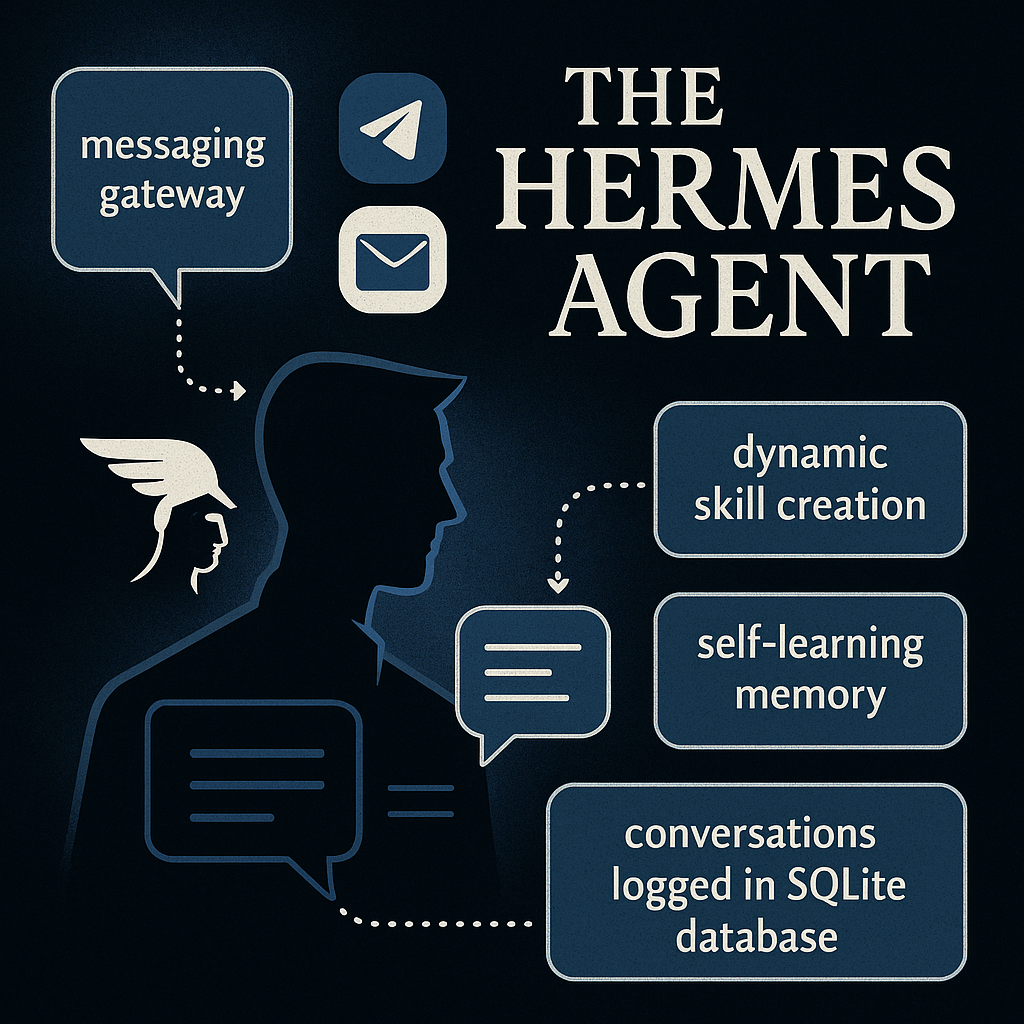
Hermes Agent’s primary innovation lies in its messaging gateway. This feature enables users to communicate through platforms like Telegram or by email, guaranteeing that the assistant can operate continuously and autonomously.
2. Agent Runtime for Processing
Once incoming messages reach the gateway, they are processed within an agent runtime, ensuring that users receive timely and organized responses.
3. Dynamic Skill Creation
Hermes attempts to evolve by creating skills based on user interactions. While this appears beneficial, it often leads to storing incorrect information as ‘skills’, ultimately confusing the user experience.
4. Self-Learning Memory
The self-learning memory system saves details about users to a memory.md file. This feature aims to personalize interactions but can often retain outdated or incorrect facts, detracting from its intended purpose.
5. SQLite Database for Historical Conversations
All conversations are archived in an SQLite database, allowing users to search through prior interactions. This feature is useful yet risky, as it may return inaccurate data based on the flawed memory retention.
6. Scheduled Tasks
Hermes also incorporates scheduled tasks akin to cron jobs, facilitating background execution without requiring user input, a feature that is becoming standard among comparable tools.
7. Polling Options for Security
Incorporating polling options enhances the security of incoming messages, although this can further complicate user interactions.
Examples from the Source
Throughout the video, Isaiah provides specific examples illustrating the limitations of Hermes Agent:
"I reviewed 120 incoming emails from the past 24 hours and created four Todoist tasks in my inbox."
"While Hermes can remember things about you, so can Codex and Claude Code, which also perform background tasks."
"The saved fact stating, 'Owen's current stack is Rails and PostgreSQL,' was incorrect."
These instances showcase how the system retains inaccurate information, leading users to potentially misguided reliance on the tool.
Common Pitfalls
Several common misconceptions and pitfalls arise when using Hermes Agent and similar AI tools:
- Assuming the dynamic skill creation will always yield correct results can result in accumulated faulty actions over time.
- Believing that a self-learning memory will enhance the assistant's performance can lead users to confusion if outdated facts are recalled.
- Underestimating the importance of security features may expose users to data vulnerabilities.
- Failing to utilize the SQLite conversation history could lead to missed insights from past interactions.
Action Checklist
- Evaluate whether the messaging gateway meets your needs for task management.
- Test dynamic skill capabilities while being mindful of potential inaccuracies.
- Regularly check and update the memory file to ensure correct information is stored.
- Utilize the database for accessing prior interactions to inform future tasks.
- Set up necessary polling options to ensure your data remains secure.
- Compare performance against coding agents like Codex or Claude Code for broader functionality.
- Monitor how background task scheduling impacts your overall productivity.
- Provide feedback regularly to improve system performance and reduce errors.
Watch the Full Video
To gain deeper insights and understand the full context of Owain Lewis's findings, watch the full video here.
Want more like this?
The full archive of strategy + AI articles lives at strategythread.app, curated weekly, no fluff.