
Valuable Insights from "How To Build A Business That Runs Itself"
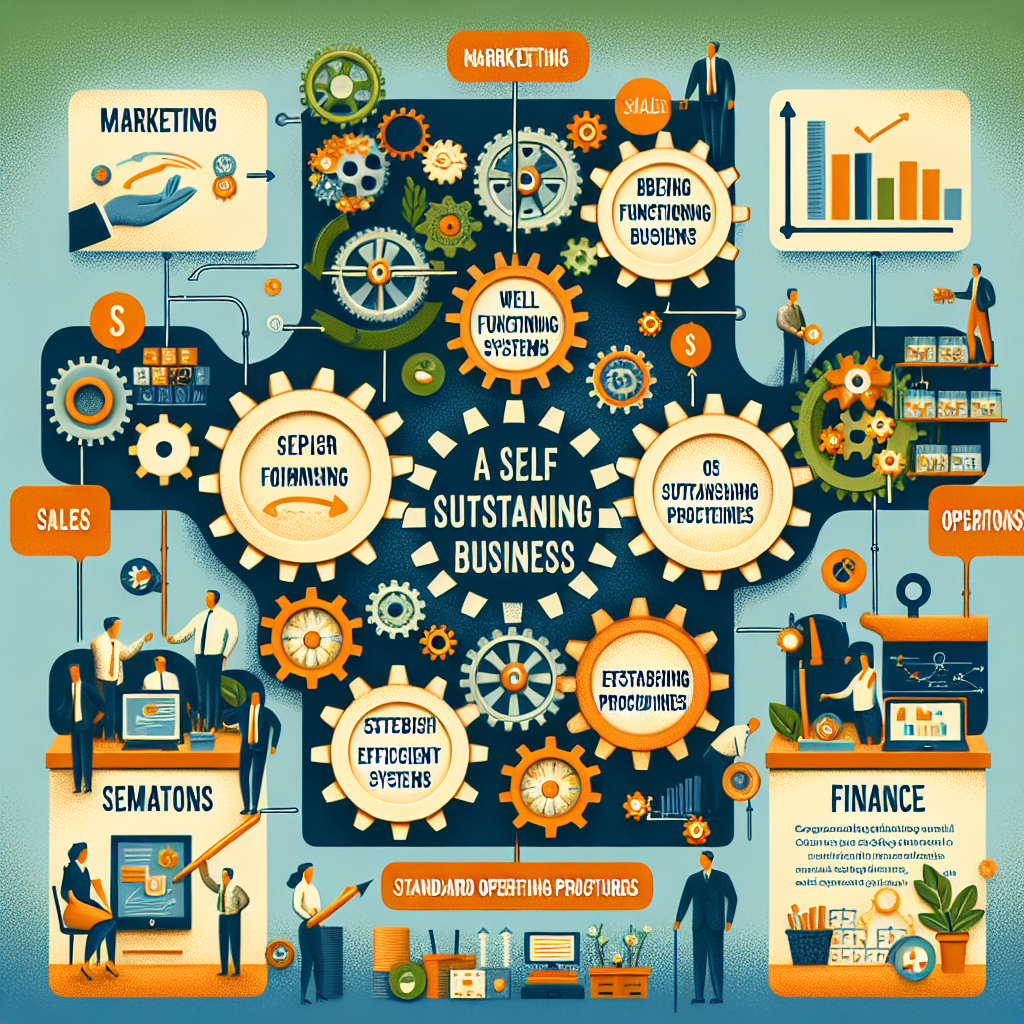
In the insightful YouTube video from Ross Harkness, we uncover essential strategies for building a self-running business. Here are the key takeaways that can dramatically enhance your business operations:
Key Points:
- Understanding Systems: Business owners often act as their business's bottleneck by manually managing tasks instead of establishing systems. A self-running business relies on well-defined systems rather than continuous hands-on involvement.
- Core Functions of a Business: Every business has four essential functions: marketing, sales, operations, and finance. Additional functions like HR may exist depending on the business type. Each function must align with specific goals to ensure efficiency and clarity.
- Task Identification and Alignment: Each task in the business should be identified and aligned with the overall goals of the corresponding function. Misalignment can lead to inefficiencies.
- Mapping Systems: Tasks should be grouped according to their functions and sequenced logically for optimal flow. This creates clarity on how tasks contribute to the business's success.
- Ownership and Accountability: Clear ownership is vital for effective systems. Assigning one person per process ensures accountability and prevents mistakes arising from shared responsibilities.
- Delegation vs. Task Assignment: True delegation involves transferring full responsibility for outcomes, not just tasks. This empowers teams and reduces dependency on the owner.
- SOPs (Standard Operating Procedures): SOPs document processes and are essential for effective delegation. They convert personal knowledge into organizational knowledge, beneficial for training and operational efficiency.
Insights:
- Systemic Thinking: Viewing a business as a collection of systems rather than tasks ensures clarity in operations and responsibility.
- Value of Clarity: By defining goals and aligning tasks with these goals, businesses can eliminate inefficiencies and focus on growth.
- Empowerment Through Ownership: Empowering team members by assigning clear responsibilities can lead to higher performance and problem-solving efficiency.
Actionable Advice:
- Identify Core Functions: Use tools like Canva to visually map out the four core business functions and their respective goals.
- List and Evaluate Tasks: Compile a comprehensive list of all business tasks and assess their alignment with the goals of each function.
- Group and Sequence Tasks: Organize tasks under their respective functions and establish a logical flow between them.
- Document Processes: Create detailed SOPs for each task to facilitate smooth operations and ensure consistent execution.
- Assign Ownership: Clearly designate one process owner and one system owner for accountability and effective management.
- Establish Reporting Lines: Set reporting structures to maintain communication, progress tracking, and problem resolution.
- Gradual Delegation: Step back from daily operations by gradually transferring responsibilities and focusing on system oversight.
Supporting Details:
- The metaphor of the body illustrates how essential functions work together; a failure in one can affect the whole system. Mapping out these systems ensures business resilience.
- The story of "Everybody, Somebody, Anybody, and Nobody" emphasizes the pitfalls of shared accountability, highlighting the need for clear ownership in business processes.
Personal Reflections:
The insights resonate deeply, particularly the importance of systematizing tasks and the shift from micromanagement to empowerment. This approach can transform the way entrepreneurs perceive their roles and responsibilities, moving towards a more sustainable business model. Reinforcing operational procedures with SOPs can radically enhance a company’s ability to scale and adapt without losing efficiency.
Watch the Full Video:
With these insights and structured approaches, you can significantly enhance the effectiveness and sustainability of your business, enabling it to operate independently of your constant involvement.
To join this learning journey, follow me on social media: