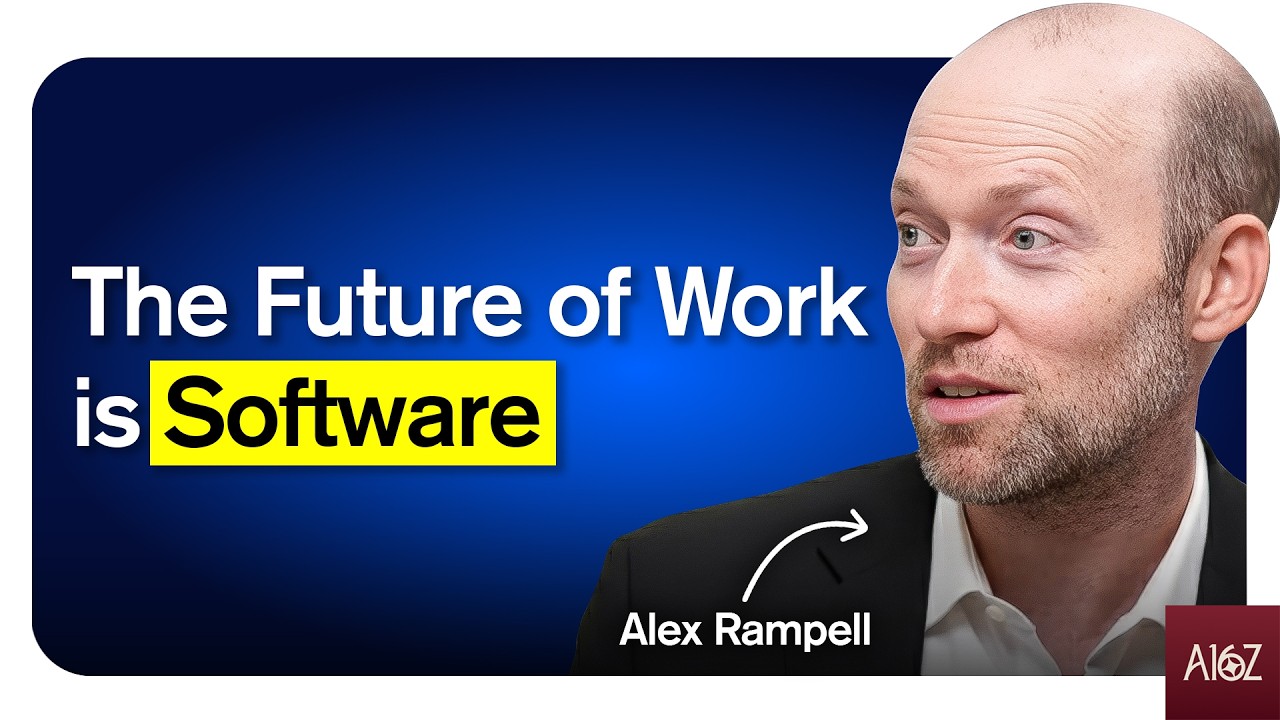
Valuable Insights from "Software is Eating Labor"

The video titled "Software is Eating Labor" presents a compelling analysis of how software is transforming the labor market by moving from merely digitizing tasks to fully automating jobs. Below are the key insights derived from the discussion.
Main Argument
The assertion is that software is increasingly absorbing various aspects of the labor market, as software companies evolve from digitizing tasks to automating jobs entirely.
Market Size
The global Software as a Service (SaaS) market stands at an estimated $300 billion, while the U.S. labor market is valued at $13 trillion. This underscores a significantly larger opportunity for software evolution beyond traditional roles.
Historical Context
Parallels are drawn between past technological advancements and current developments. The shift from physical filing cabinets to digital databases marks a monumental change in information management across industries, including travel (Saber Systems), sales (Salesforce), manufacturing (SAP), and healthcare (Epic).
Chemical Equation Analogy
Capital is likened to a catalyst, where investments in technology (such as GPUs) spark the development of software that can replace human labor, leading to a transformation from manual processes to automation.
Labor Automation
Unlike past technological innovations that required human oversight (e.g., looms, steamships), current software possesses the potential for end-to-end task completion without human intervention.
Impact of AI
AI emerges as a critical force redefining customer service. Companies like Zendesk may significantly reduce reliance on human agents if AI can efficiently handle inquiries, shifting pricing models from per-seat usage to outcome-based solutions.
Outcome-Based Solutions
There’s a call for software companies like Salesforce and Zendesk to adapt their business models from selling user seats to charging based on client results, reflecting the need for software to become dynamic participants in business processes.
Real-World Examples
Numerous instances illustrate the evolution from physical processes to digital, such as:
- Automated airline ticket booking systems replacing phone calls and manual filing.
- Digitization transforming library card catalogs for improved accessibility and efficiency.
Future Implications
The need for businesses to adapt is emphasized as the dynamics of the labor market change, urging the development of software that enhances operational efficiency and customer outcomes rather than just storing and processing data.
Personal Reflections
The discussion resonates with broader automation trends in the workforce and highlights the importance of leveraging new technologies to maintain competitiveness. Software's growing role raises questions about job displacement while also prompting conversations about redeployment and new roles in managing and programming AI systems.
Conclusion
In summary, this transformative moment presented in the video illustrates how software not only boosts productivity but is positioned to replace many traditional jobs. This shift brings both opportunities and challenges for society to navigate.
Watch the Full Video
For a more in-depth understanding, check out the video here:
Join the Learning Journey!
Stay connected and follow our journey for more insights:
- TikTok: https://www.tiktok.com/@isaiah_dupree
- Instagram: https://www.instagram.com/the_isaiah_dupree
- YouTube: https://www.youtube.com/channel/UCnDBsEL2jOaEiSyxA77tNNA
- Email: isaiahdupree@techmestuff.com
- Discord: https://discord.com/users/692484921826082868
- Twitter: https://twitter.com/isaiahdupree7
- Facebook: https://www.facebook.com/profile.php?id=81562079181208
- Snapchat: https://www.snapchat.com/add/yourbeautifulvv
- Pinterest: https://www.pinterest.com/isaiahdupree33/
- Website: https://techmestuff.com