
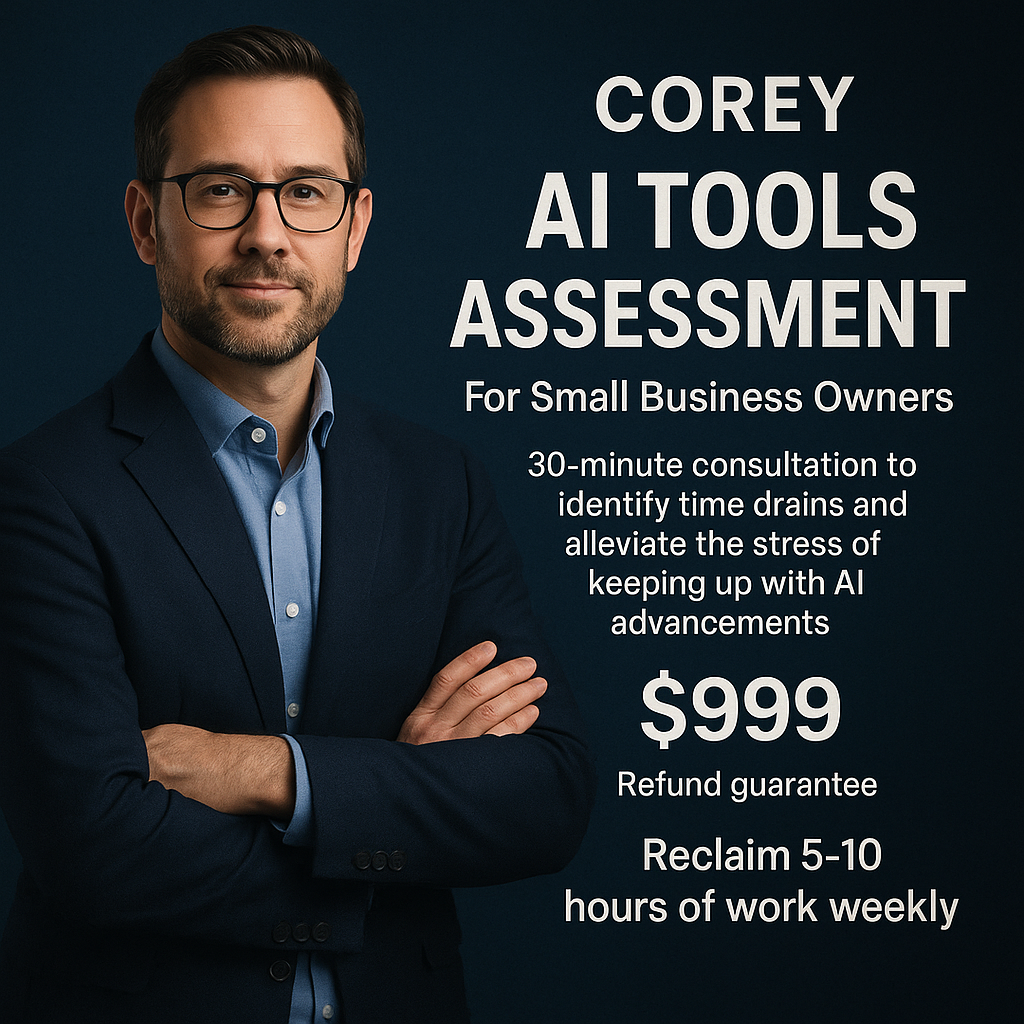
If you’re a small business owner feeling overwhelmed by the endless possibilities of artificial intelligence, you’re not alone. Enter Corey Gannon, an entrepreneur who has built a successful service that demystifies AI for small businesses. His approach centers on an “AI tools assessment” that not only identifies time drains but also provides clear solutions tailored to individual business needs. Let’s break down the strategy and actionable steps to replicate his model precisely.
TL;DR
Corey Gannon offers a structured AI tools assessment that identifies time drains for small business owners and recommends actionable solutions through existing AI tools. Priced at $999 with a money-back guarantee, the service promises to help clients recover 5 to 10 hours of work per week by streamlining operations with AI.
The Problem
Many small business owners with 2 to 20 employees and annual revenues between $500,000 to $5 million face the challenge of keeping up with rapid advancements in AI technology. This overwhelming stress often leads to operational inefficiencies that consume precious time and resources. Without guidance, these business owners struggle to identify which tools could effectively alleviate their pain points.
The Strategy
Corey’s AI tools assessment framework is designed to offer small business owners a personalized approach to integrating AI into their workflows. By conducting a structured 30-minute consultation, he pinpoints specific areas where businesses are losing time and pairs them with appropriate AI solutions. This method does not require deep technical knowledge or a significant financial investment upfront, making it accessible for business owners who may be hesitant or overwhelmed.
How It Works (Step by Step)
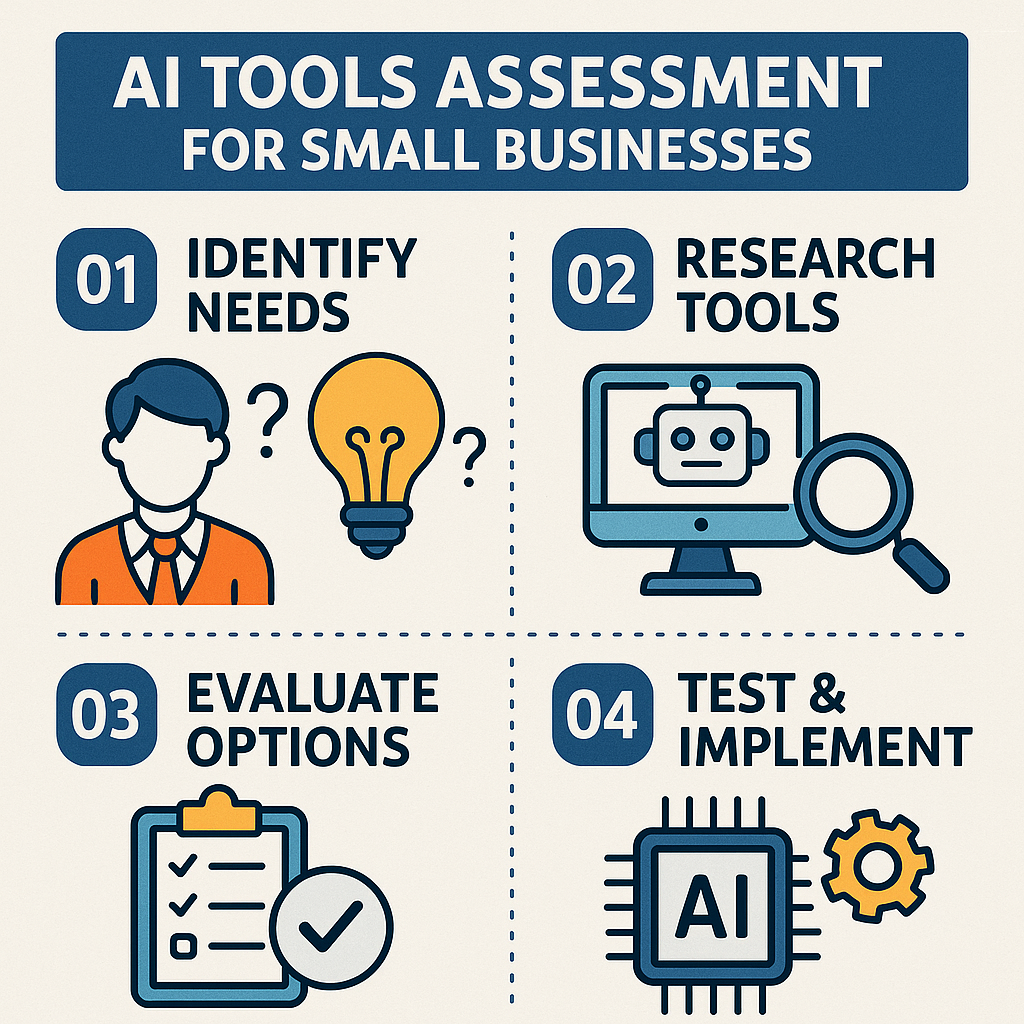
The assessment process consists of four clear steps:
Step 1: Discovery Call
- Conduct a 30-minute discovery call with the client to discuss their daily operations and identify obstacles.
Establishes a foundation for understanding the client’s specific needs.
Step 2: Record Conversation
- Utilize AI note-taking tools to record the discovery call conversation.
This ensures accurate documentation of client needs for later analysis.
Step 3: Identify Pain Points
- Focus on the client's daily operations during the discovery call to identify the main pain points.
Clarifies the specific issues the business faces, enabling targeted recommendations.
Step 4: Recommend AI Tools
- After identifying pain points, recommend three to seven AI tools tailored to the client’s needs.
This offers actionable solutions without requiring the client to develop new tools from scratch.
Additionally, Corey's strategy includes upselling opportunities, enhancing revenue by offering implementation services that could bring in up to $1,000 an hour. This not only adds value but also creates lasting partnerships with clients.
Examples from the Source
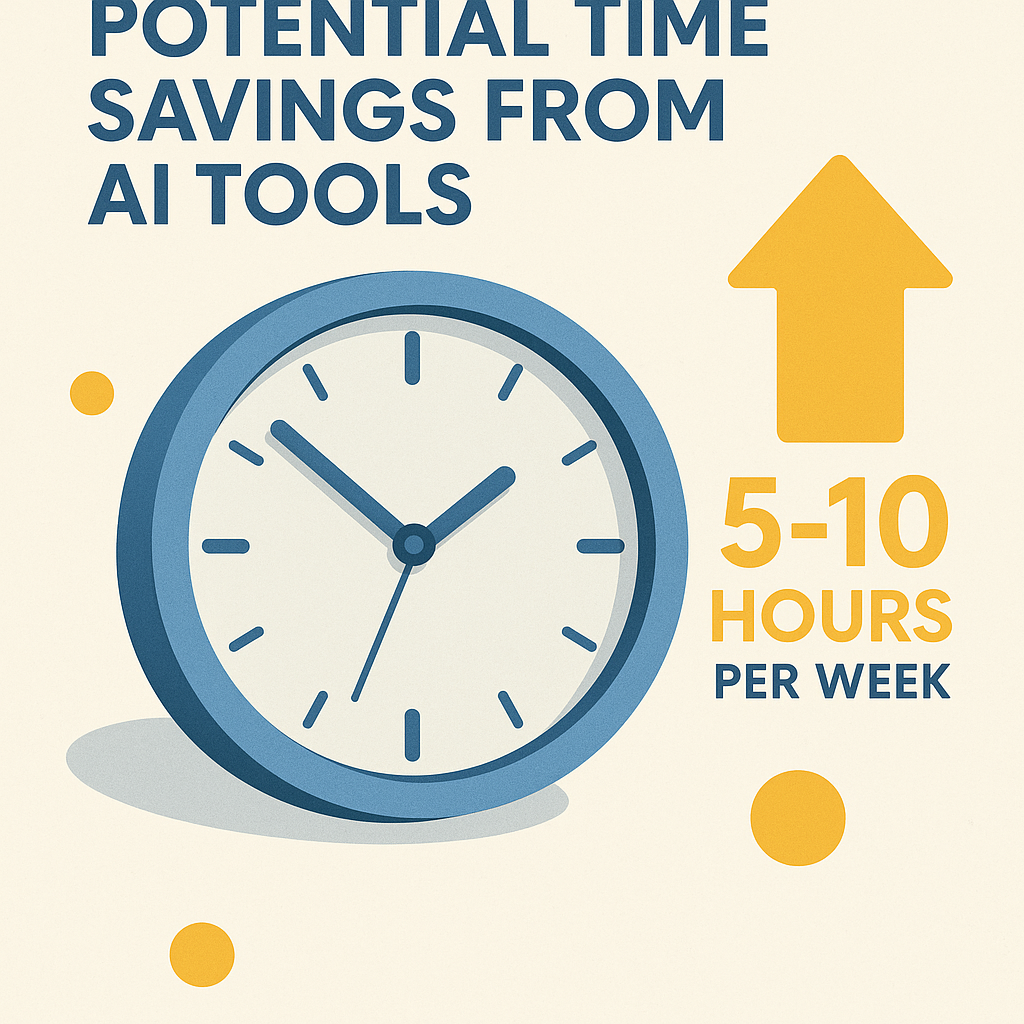
In the video, Corey emphasizes the potential for recovering between 5 to 10 hours of work per week through properly chosen AI tools. He straightforwardly states,
“If you can’t find at least five hours of opportunity, they’ll refund the payment.”This low-risk approach not only boosts client confidence but establishes a credible business model that ensures the service's value is clear from the onset. Moreover, this structured service is priced at $999, clearly laying out the cost of entry for potential clients.
Common Pitfalls
When embarking on a similar AI tools assessment business, common mistakes may include:
- Failing to effectively communicate the value of the service upfront, leading to hesitant prospects.
- Relying on developing proprietary tools rather than recommending existing, well-established AI solutions.
- Not adequately preparing for the discovery call which can result in missing key pain points and opportunities.
- Underestimating the importance of follow-up engagement post-assessment for upsell opportunities.
Action Checklist
- Conduct initial market research to identify potential client pain points related to AI.
- Outline a clear process for conducting discovery calls, including tailoring questions to uncover specific challenges.
- Invest in AI note-taking solutions to streamline documentation during discovery calls.
- Create a curated list of trustworthy AI tools that address common small business pain points.
- Develop a clear pricing structure for your assessments, including a money-back guarantee to minimize risk for clients.
- Outline upsell strategies, including further implementation services or ongoing support.
- Craft an irresistible marketing message to engage clients who may be hesitant to dive into the world of AI.
Watch the Full Video
To learn more about this assessment strategy and gain deeper insights from Corey Gannon, you can watch the full video here.
Want more like this?
The full archive of strategy + AI articles lives at strategythread.app, curated weekly, no fluff.