What if the very growth strategy your business needs is something you're too busy to notice? In a rapidly shifting technological landscape, many business owners are unaware of the most significant game-changing technology right under their nose, AI. Isaiah Dupree's video, "Business Owners Are Too Busy to Notice This AI Shift," dives into exactly why leveraging AI is critical for business success over the next seven years, and how leaders can transition from being engrossed in daily operations to strategizing for growth.
TL;DR
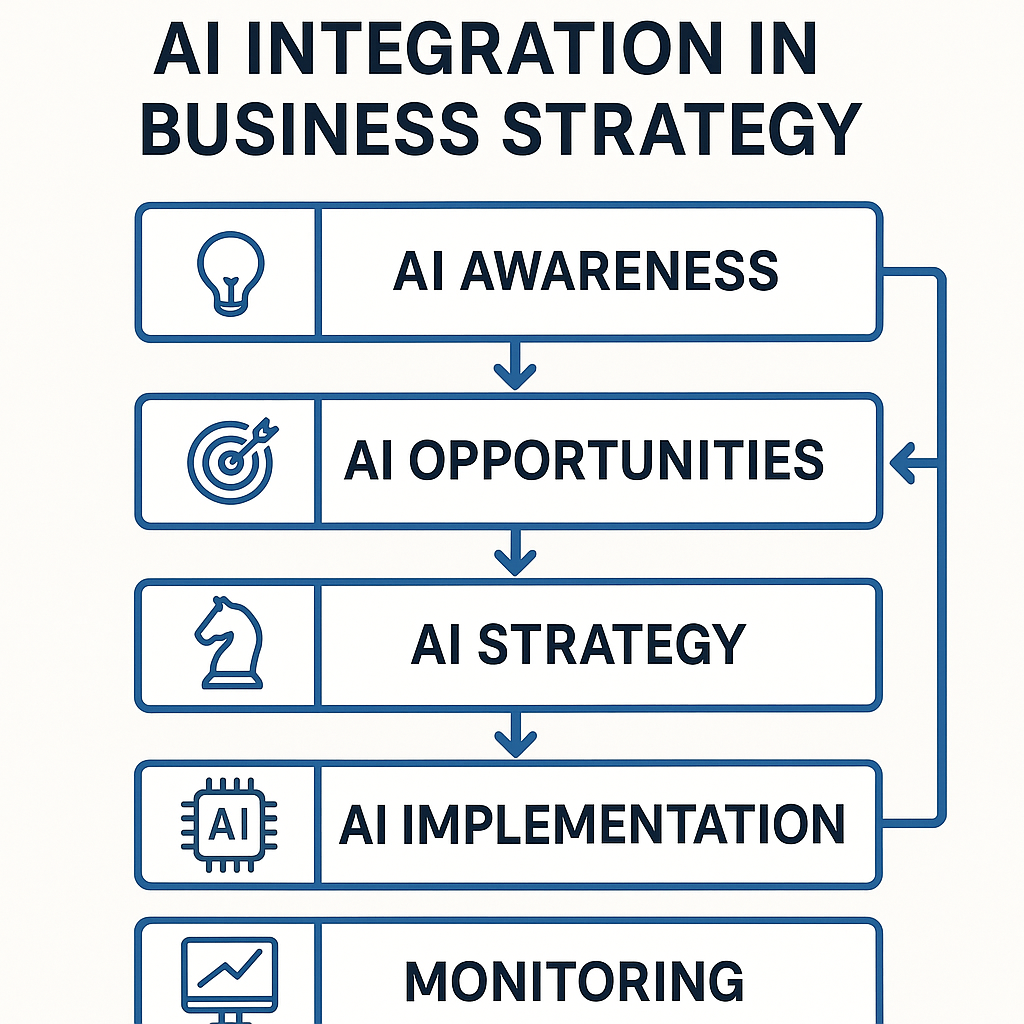
Isaiah Dupree highlights the importance of integrating AI technologies into business strategies to remain competitive over the next seven years. The focus is on shifting attention from day-to-day tasks to utilizing AI as a growth tool. This empowers business owners to streamline operations, concentrate on strategic growth, and ultimately gain a competitive edge.
The Problem
Many business owners find themselves caught in a cycle of daily operational tasks, leaving little time to explore or implement modern technologies like AI. This focus on "working in" their business rather than "working on" their business means they're potentially missing out on significant growth opportunities. The problem is twofold: a lack of awareness and a scarcity of resources or knowledge to effectively use AI for growth. Business owners often don't have the bandwidth to prioritize these strategic advances, which are crucial for staying competitive in an evolving market.
The Strategy
Isaiah Dupree suggests that the key strategy for overcoming these challenges lies in the proactive implementation of AI technologies. By embracing these advancements, business owners can transition their focus from immediate operational demands to long-term strategic growth. The strategy revolves around providing them with the tools necessary to streamline operations, thereby freeing up time and resources to invest in future-oriented business development. Dupree emphasizes that over the next seven years, businesses that successfully implement AI will be set up for enduring success.
How It Works (Step by Step)
Step 1: Awareness and Education
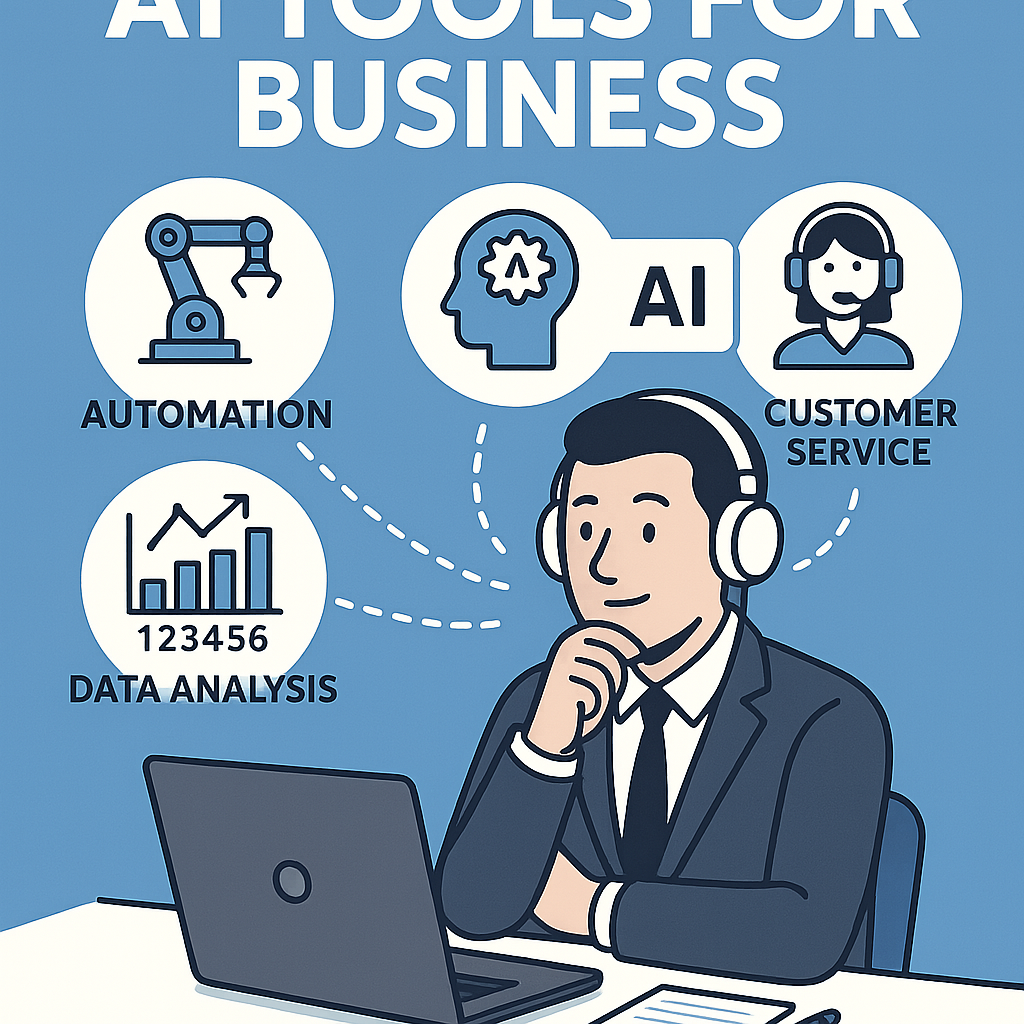
Business owners first need to be educated about the potential of AI. This involves understanding the specific AI tools and technologies that are most conducive to their business models.
Step 2: Assessment of Needs
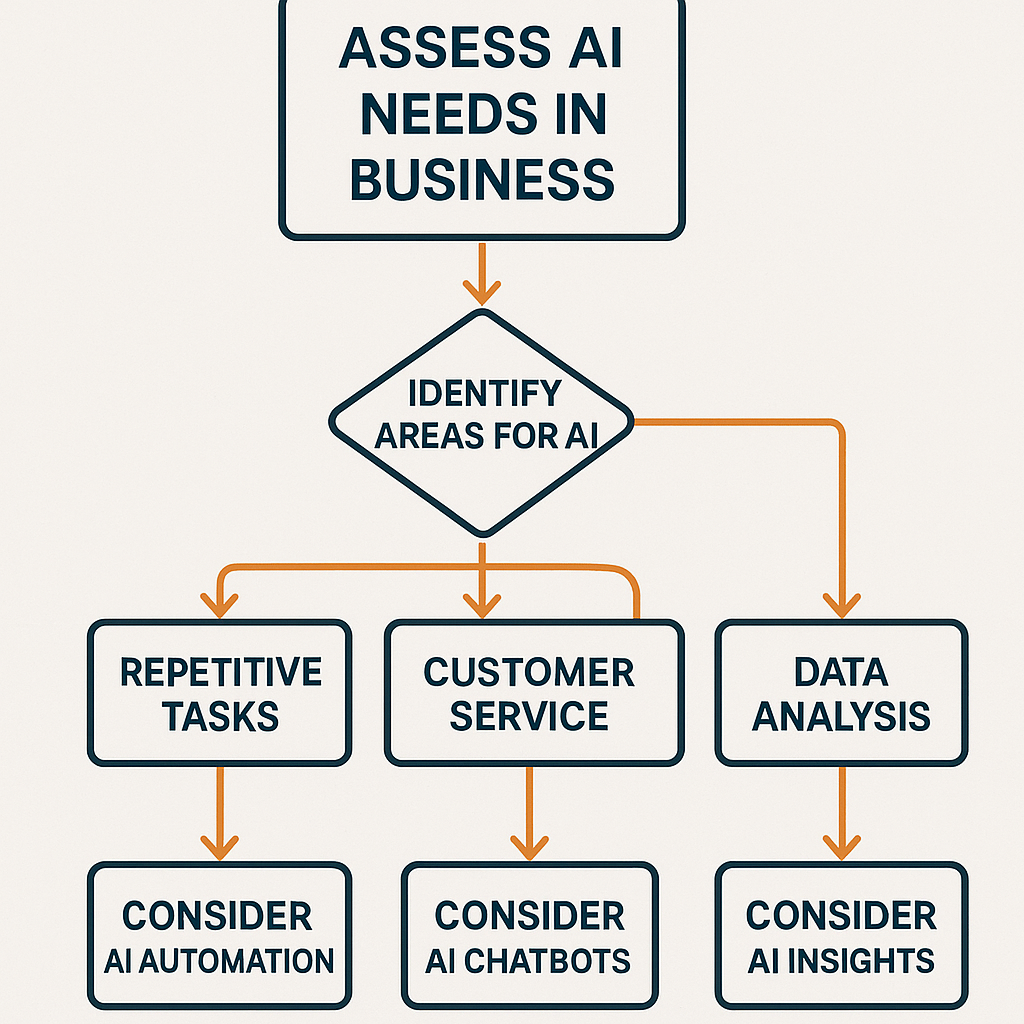
Identify areas within your business operations that can be enhanced by AI, whether it’s automating repetitive tasks, improving customer service, or analyzing data for better decision-making.
Step 3: Integration of AI Tools
Based on the assessment, select and integrate AI tools that align with your business objectives. This might include AI-driven customer relationship management systems or data analysis platforms.
Step 4: Training and Support
Provide training for your team to ensure they are equipped to use these tools effectively. Ongoing support will help in troubleshooting and optimizing AI integration.
Step 5: Monitoring and Iteration
Regularly monitor the impact of AI on your operations and be prepared to iterate on strategies as needed. The focus should be on refining processes and maximizing efficiency.
Examples from the Source
“Many business owners haven't given much thought to the AI space. They're often too busy working in their business, not on it, so they might not be using the latest AI capabilities.”
This statement from the video encapsulates the main challenge many businesses face. Dupree also mentions, "If you can help them implement these technologies, you'll be setting them up for success over the next seven years." This seven-year horizon emphasizes the urgency yet the opportunity presented by adopting AI now.
Common Pitfalls
- Ignoring AI Due to Over-Commitment: Business owners may prioritize urgent operational tasks over strategic technology adoption, delaying AI integration indefinitely.
- Lack of Customization: Simply adopting off-the-shelf AI solutions without tailoring them to the specific needs of your business can lead to suboptimal results.
- Insufficient Training: Failing to provide adequate training and support for staff can result in poor adoption and underutilization of AI tools.
- Neglecting to Monitor: Businesses may overlook the importance of monitoring AI's performance and making necessary adjustments to continually optimize their strategies.
Action Checklist
- Identify and learn about AI technologies relevant to your business model.
- Conduct a needs assessment to pinpoint operations where AI can be most beneficial.
- Select AI tools that align with your strategic business goals.
- Implement a training program to ensure all team members are equipped to utilize AI tools effectively.
- Establish a routine monitoring system to measure the impact of AI on your operations.
- Be prepared to iterate on your AI strategy based on real-time results and feedback.
- Communicate the benefits of AI across your organization to foster a culture open to innovation.
- Allocate a budget specifically for AI development and integration.
Watch the Full Video
Want more like this?
The full archive of strategy + AI articles lives at strategythread.app, curated weekly, no fluff.