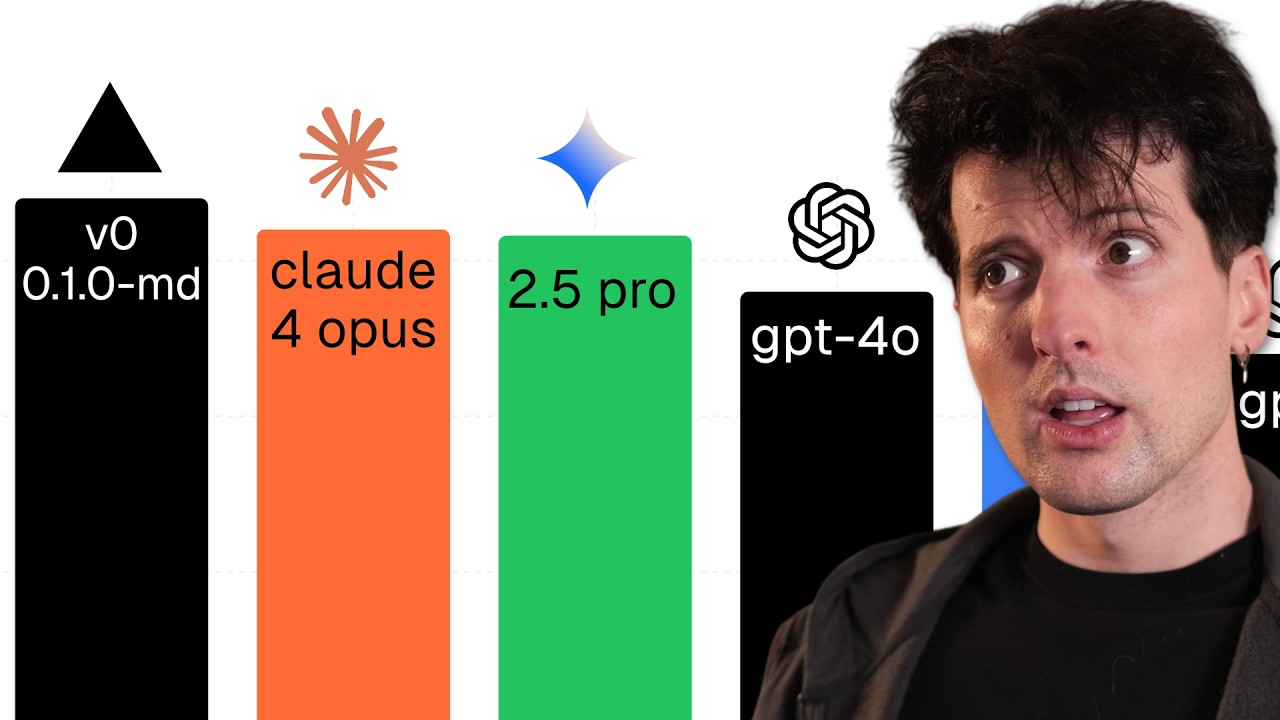
Vercel Launches AI Model V0: A New Era in Frontend Development

The landscape of AI in web development is ever-evolving, and Vercel's new model, V0, is making waves. With an aim to enhance frontend development, Vercel has introduced a robust AI solution that promises to elevate the quality of coding with futuristic features.
Key Points:
- Introduction of V0 by Vercel: Vercel has launched a new AI model called V0, which aims to compete in the AI coding space. The specifics of the model are unclear, including whether it is based on custom or existing architectures like GPT.
- Data Utilization: Vercel has access to vast amounts of data on code inputs and outputs, along with user feedback mechanisms which will help refine the model. The model generates visually appealing user interfaces and can be integrated via API.
- Strategic Timing: The release of V0 coincided strategically with the launch of Claude 4, suggesting a competitive market approach to gaining attention.
Insights:
- Quality and Relevance: V0 is designed specifically for modern web application development, showcasing capabilities that improve the quality and relevance of output for specific frameworks like Next.js.
- Curated Data Importance: The focus on high-quality, curated data over sheer volume is crucial for making AI models more effective, especially as AI development trends toward targeted applications.
- User-Centric Design: Vercel aims to enhance the user experience through continuous refinement of outputs based on direct user feedback, which could lead to superior outputs compared to generic models.
Actionable Advice:
- Experiment with V0: Developers are encouraged to try V0 for generating user interfaces, especially for projects using frameworks like Next.js and Tailwind CSS. Observing how the model handles specific inputs can yield insights into its capabilities and limitations.
- Focus on User Feedback: Encourage user feedback mechanisms to improve AI output continuously. This is critical for refining the model’s performance to meet user expectations.
- Integrate with Existing Tools: V0 can be used with existing development tools (e.g., VS Code), allowing developers to leverage its capabilities alongside their preferred coding environment.
Supporting Details:
- Performance Comparisons: The speaker shared insights on performance comparisons between various AI models, noting that V0 often produced more extensive and responsive code than its competitors.
- Functionality Highlights: V0 supports multimodal input/output and can stream edits in real-time, making it suitable for collaborative environments where live edits are essential.
- Exploration of New Features: Vercel’s model is equipped with unique features like autofix for identifying coding issues and framework-specific completions.
Personal Reflections:
The strategic move by Vercel to develop its model signals a shift in the AI landscape, where companies may seek to create specialized, user-friendly tools tailored to their platforms. The competitive nature of the AI development space underscores the importance of continual learning and adaptation from models to user needs in an evolving digital environment. This evolution also highlights the significance of tool calls and system prompts, making AI integration more seamless within various coding frameworks.
Conclusion:
By capturing these insights, we can better understand the implications of Vercel's new AI model V0 in the world of coding and development. It holds the promise to refine the way developers work and interact with AI technologies.
For a more in-depth understanding, check out the video on Vercel's AI model:
Join our learning journey and stay connected for more insights! Follow me on: