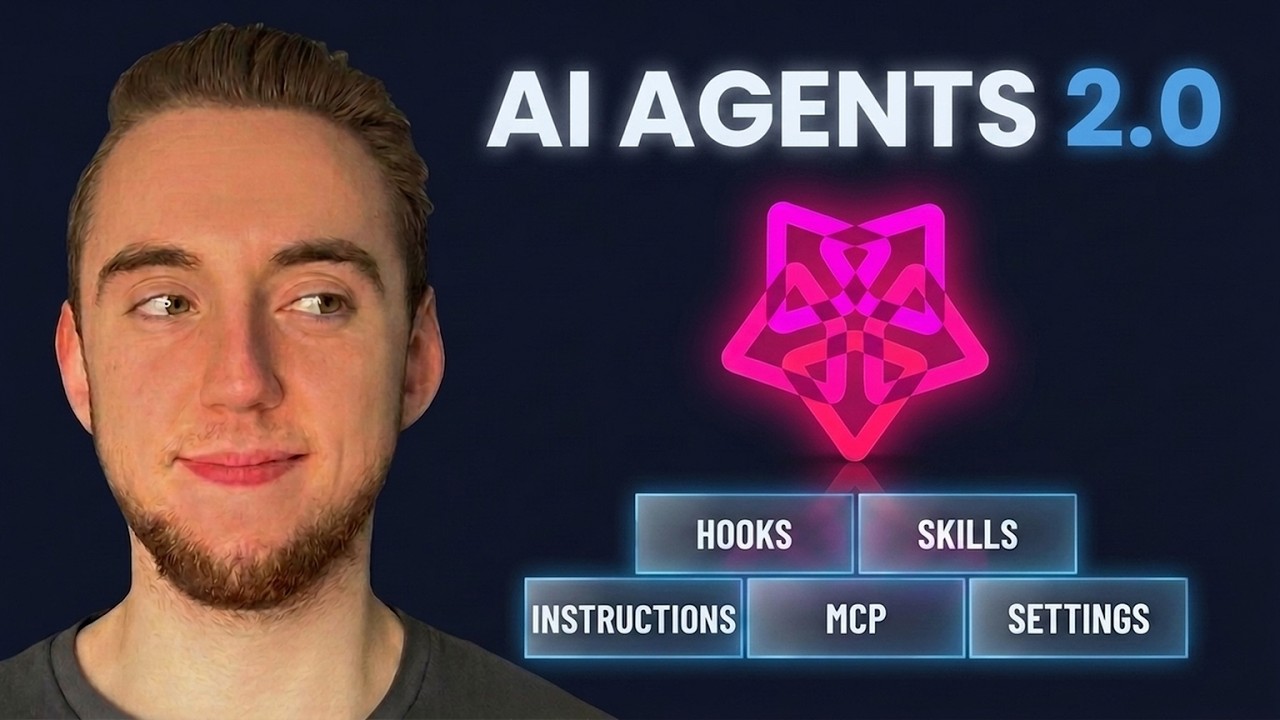
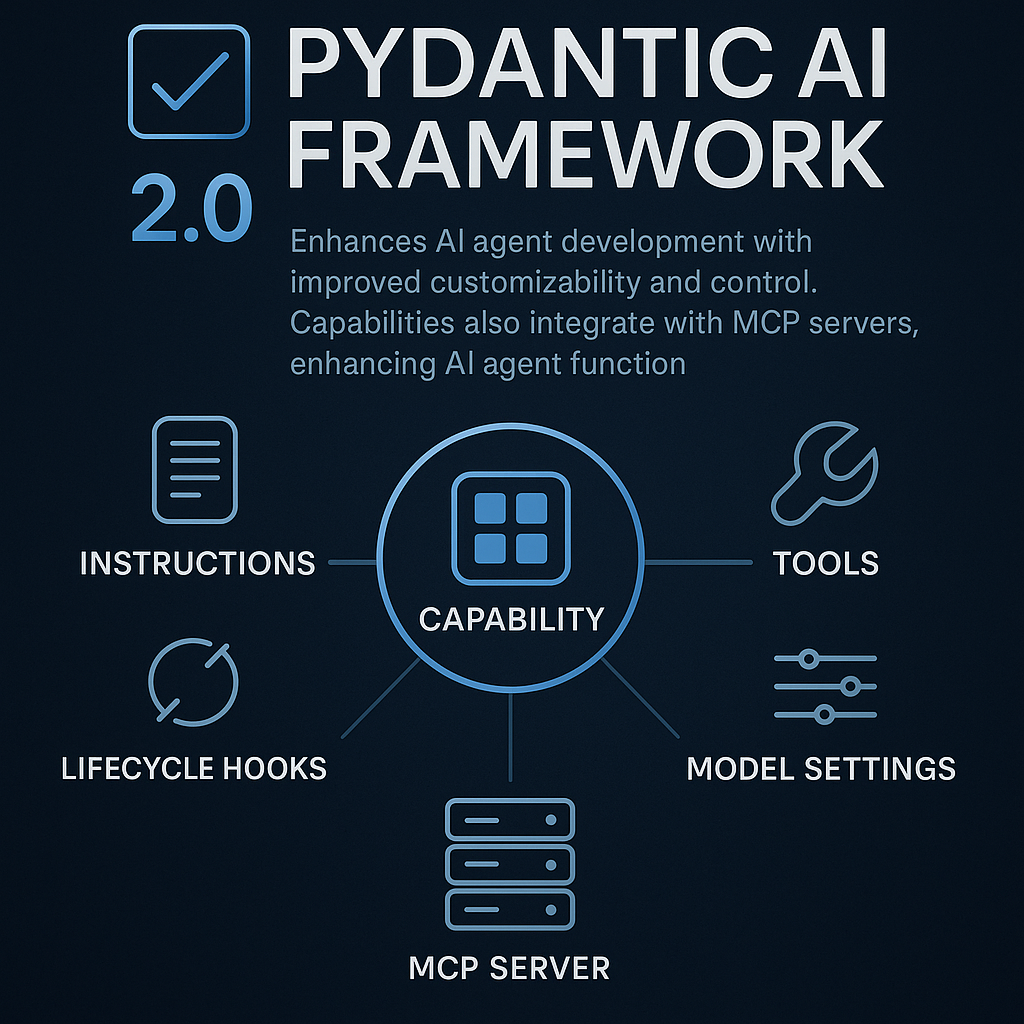
 For anyone who hasn't yet discovered how Pydantic AI 2.0 is challenging traditional AI frameworks, here's your chance to see a framework that involves composing capabilities rather than merely connecting standalone components. If you haven't explored this approach, you're missing out on arguably the "new best way" to build AI agents in today's competitive landscape.
TL;DR
Pydantic AI's 2.0 release brings a drastic change to building AI agents by introducing capabilities. These encapsulate instructions, tools, lifecycle hooks, and model settings into single units, offering reusability and reducing complexity. This advancement places Pydantic AI at the forefront of AI development frameworks yet again.
The Problem
Developers have long struggled with AI agents due to their complexity and lack of cohesive frameworks that integrate tools, instructions, and configurations. Existing frameworks could feel fragmented, making it cumbersome to manage multi-component systems reliably. Similar bottlenecks exist when integrating the underlying components like skills and hooks.
The Strategy
Pydantic AI 2.0 addresses these challenges with a pivotal new concept called the 'capability.' Unlike previous approaches where each tool or setting might be independently managed, capabilities bundle everything necessary for an AI agent into a single unit. This makes it much easier to assemble AI agents and reuse components, just like piecing together Lego blocks.
How It Works (Step by Step)
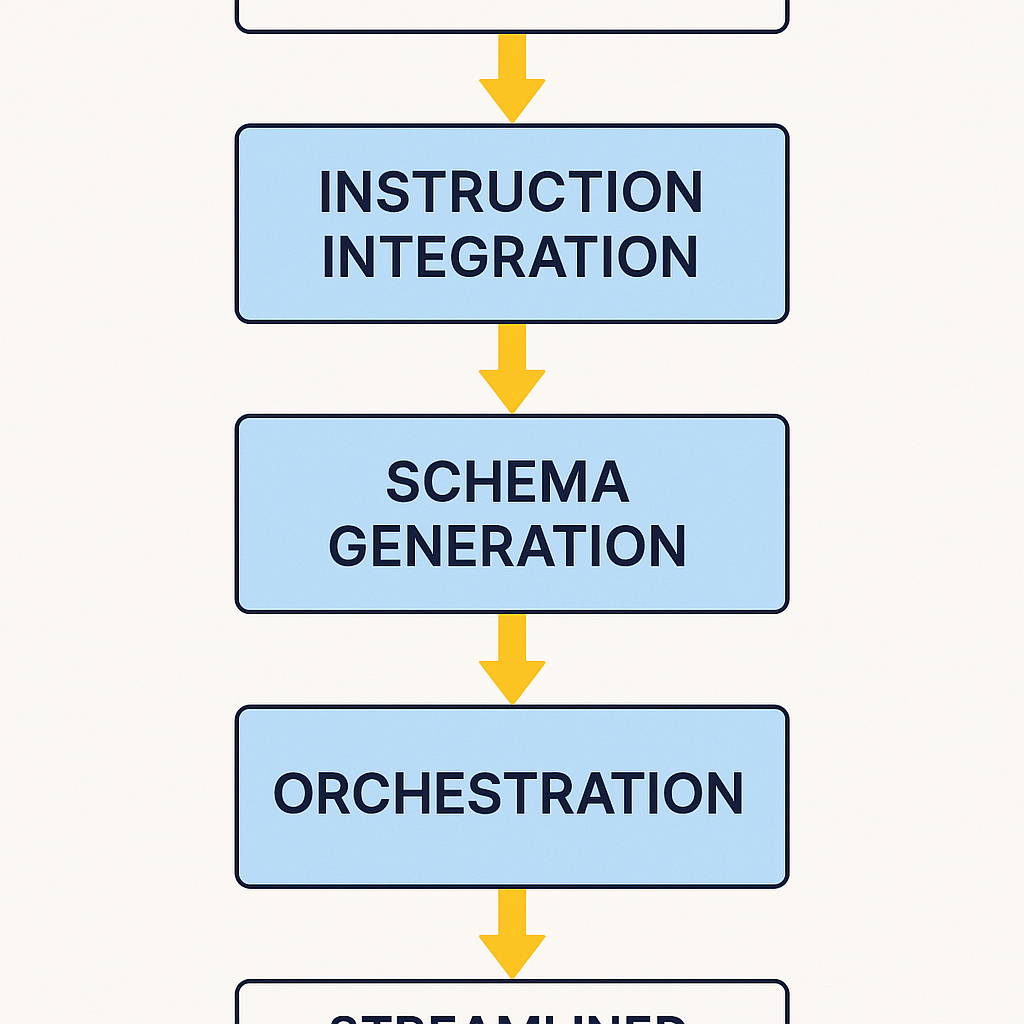
1. Understanding Capabilities
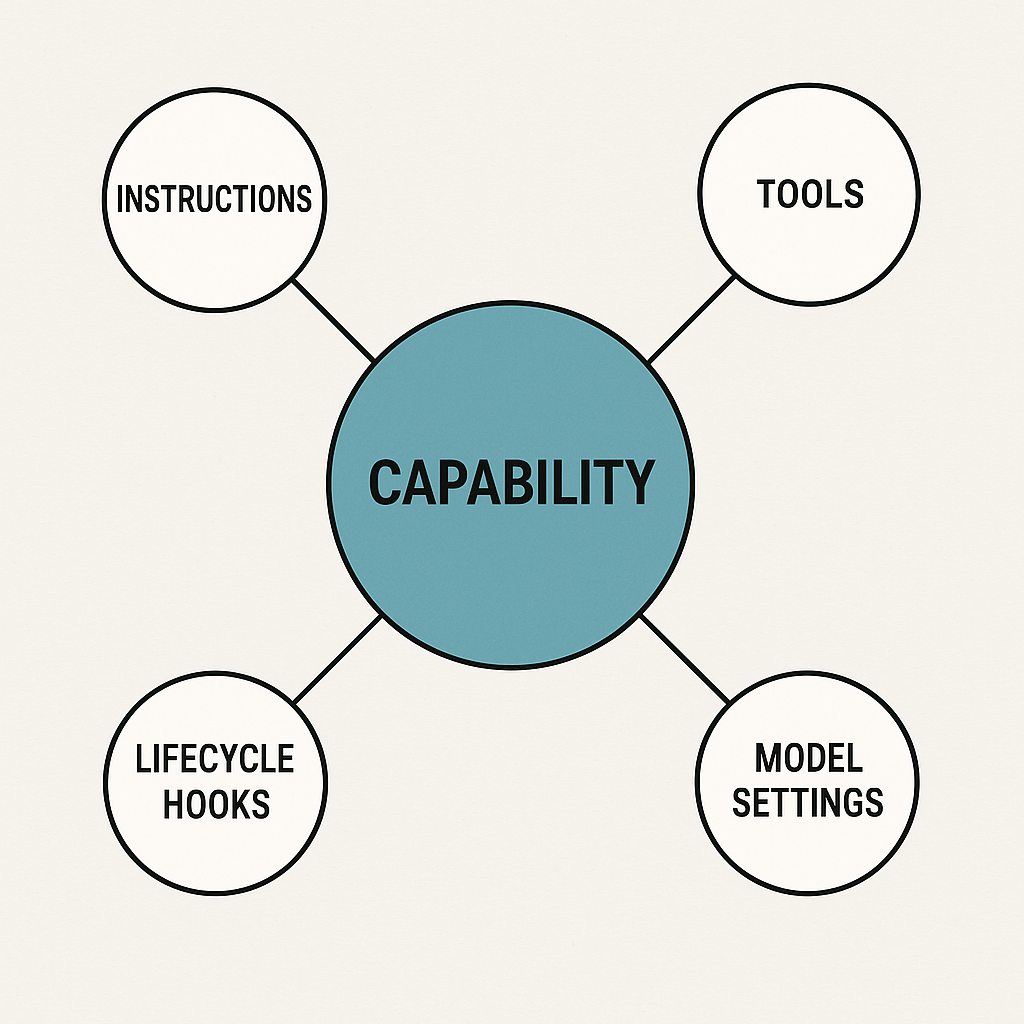
Capabilities serve as packaged units consisting of an agent's instructions, tools, lifecycle hooks, and model settings. By combining these components into a singular entity, it drastically reduces complexity compared to previous methods.
2. Layering Above MCP Servers
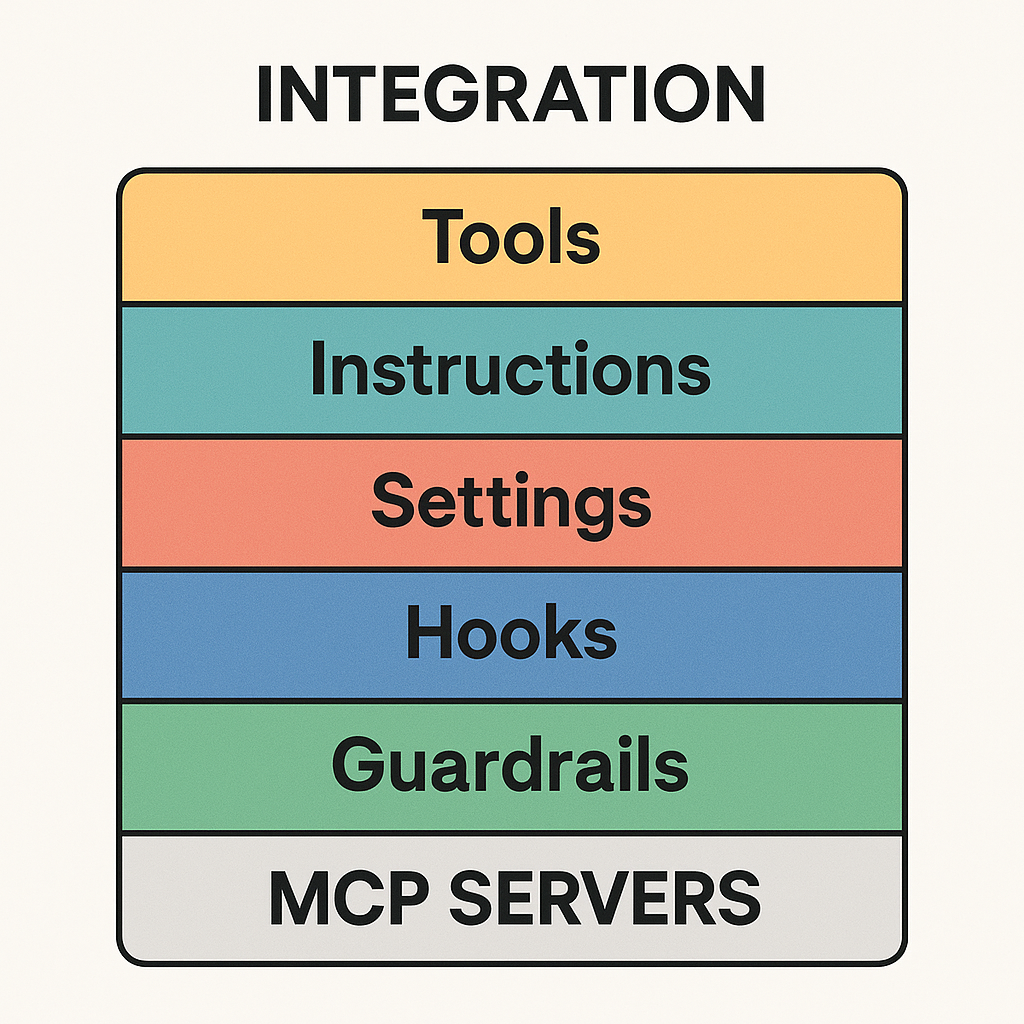
Capabilities operate on a higher layer above MCP servers. This includes tools, instructions, settings, hooks, and guardrails. This level of integration helps overcome the limitations of separately managing tools and instructions.
3. Reusability Factor
With capabilities, the task of creating multiple AI agents becomes far less repetitive. Think of it as reassembling building blocks rather than starting from scratch each time.
4. Simplified Integration With Hooks and Skills
The integration of hooks and skills is now seamless, which previously posed a challenge in implementing these within AI agent frameworks. This change allows for a more efficient development process overall.
Examples from the Source
"Pydantic AI has long been my preferred AI agent framework. I've been creating content about it since January of last year. It's at the forefront of the industry.", Cole Medin.
Isaiah explains that Pydantic AI regained its leadership with this release, which gives it an edge over frameworks like LangChain and Crew AI. His GitHub repo provides examples of building AI agents using both Pydantic AI 1.0 and 2.0, offering a concrete resource for developers who wish to implement Pydantic's new features.
Common Pitfalls
- Assuming linear migration: Developers might think migrating from an older framework to Pydantic AI 2.0 is straightforward. However, customization takes effort, and you need to adapt your agent's structure to fully utilize the new capabilities.
- Underestimating the learning curve: Capabilities may simplify long-term development but can initially be more complex to grasp compared to individual tool settings.
- Ignoring the detailed capability documentation: Skipping the documentation provided in the 2.0 launch article can lead to missed functionalities and improper implementation.
Action Checklist
- Read the Pydantic AI 2.0 launch article to deeply understand the capability documentation.
- Clone the example GitHub repo that Cole Medin provides in the video.
- Map out which existing AI agents could benefit from the new capability structure.
- Begin experimenting with capabilities as single units by packaging simple agents first.
- Use the integration with MCP servers and reuse capabilities to streamline your development.
- Watch the full video linked in this article for further insights and step-by-step examples.
Watch the Full Video
Want more like this?
The full archive of strategy + AI articles lives at strategythread.app, curated weekly, no fluff.