The dawn of artificial general intelligence (AGI) is upon us, and the pace at which machine autonomy is advancing is staggering. According to recent data, AI capabilities are growing exponentially, and by 2032, a single AI task could equate to over a millennium of human work. This rapid evolution challenges our understanding of time and productivity, pushing the boundaries of what's possible.
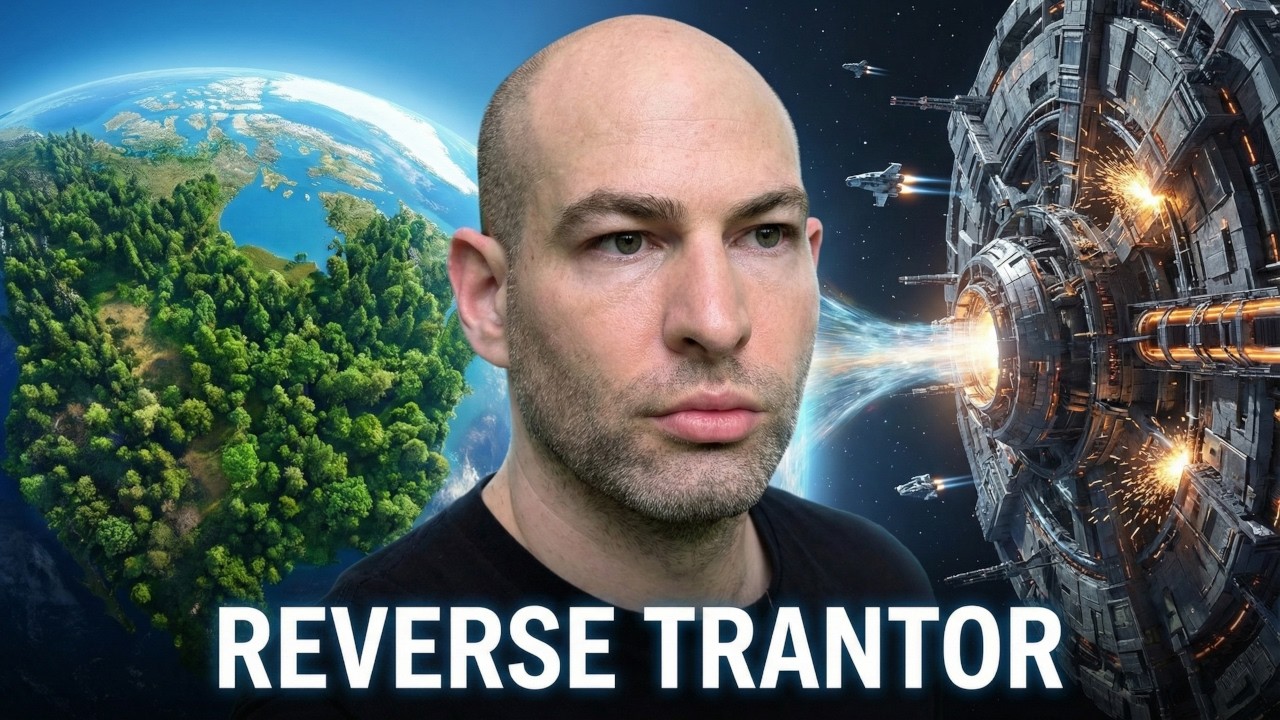
As AI continues to evolve, it faces the finite resources of our planet, such as energy and time. Concepts like the Dyson swarm are emerging as potential solutions to offload industrial activities from Earth, thereby alleviating energy constraints. By relocating data centers and manufacturing processes to space, we could harness the vast energy of the sun, transforming Earth back into a greener, more sustainable environment.
Human Experience in an AI-Driven World
In this new era, where intelligence is no longer a bottleneck, human creativity and attention become the ultimate limiting factors. Even with AI generating millions of creative outputs daily, our capacity to consume and appreciate them remains limited. This shift prompts us to reevaluate our drives for status, curiosity, and struggle, as we navigate a future of abundant resources and opportunities.