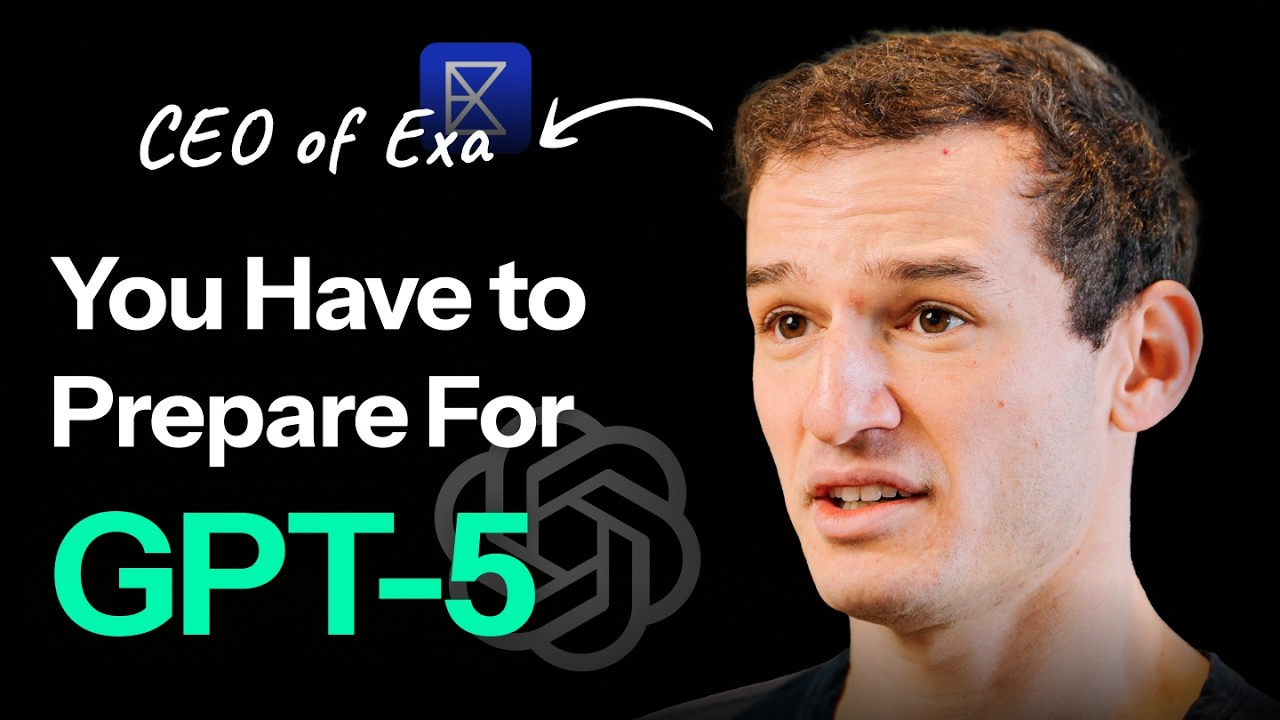
Building an AI Search Engine for the GPT-5 Era

Here are the valuable insights derived from Will Bryk's discussion on building an AI search engine for the GPT-5 era:
Key Points:
- Future of AGI Systems: Bryk predicts that in five years, we may witness the emergence of Artificial General Intelligence (AGI) systems capable of fully automating repetitive human tasks. This automation would free humans to engage in more novel and creative work.
- Unpredictable Landscape: The rapid evolution of the AI market presents challenges in forecasting its trajectory even a few years ahead. Consequently, a focus on enduring market needs over fleeting trends is essential for developers and companies.
- Historical Context: During Bryk's college years, AI's potential was not fully recognized. Discussions with AI pioneers like Greg Brockman highlighted that scaling compute in transformer technology could unlock pathways to AGI.
- Exa’s Innovative Approach: Exa aims to transcend traditional keyword search engines (like Google) by interpreting the meaning behind user queries. This capability enables Exa to deliver precise answers to complex questions, setting it apart from static conventional search engines.
- Dynamic Improvement: Unlike traditional search engines, which remain largely unchanged, Exa continuously improves its ability to understand and respond to inquiries, providing a more relevant user experience.
Insights:
- Importance of Contextual Information: AI applications require access to precise information, which Exa focuses on providing. This is crucial for enhancing AI effectiveness and delivering high-quality search results.
- Market Engagement: Listening to market needs is vital for product development and establishing appropriate pricing strategies. Exa's evolution was driven by a growing demand for effective search technology that supports AI applications.
- Expansion of AI's Role: AI is poised to play an increasingly significant role in various tasks across the web. This could eventually expand into robotics, which requires more intricate data gathering and processing capabilities.
Actionable Advice:
- Focus on Medium-Term Needs: Companies should prioritize understanding the medium-term needs of their target market rather than chasing immediate trends. This strategy will ensure long-term relevance and sustainability in the evolving AI landscape.
- Invest in Contextual AI Development: Future AI solutions should emphasize contextual understanding and interpretation to enhance user experience and interaction.
- Monitor Market Developments: Staying attuned to market changes and user demands will help companies refine their offerings and explore new opportunities within the AI ecosystem.
Supporting Details:
- Bryk highlights that the traditional search engine model's limitations hinder their ability to answer complex queries effectively, making Exa's approach more valuable in contexts that require nuanced understanding.
- The conversation around scaling AI capabilities is contextualized through examples from prominent figures in the tech industry, reinforcing the potential impact of advancements in computation.
Personal Reflections:
The insights shared by Bryk resonate with the ongoing transformation within the technology sector, particularly in how AI is reshaping user interactions and productivity. The shift from keyword-based search to contextually driven responses could greatly enhance the efficiency of information retrieval. Additionally, the emphasis on engaging with market needs reflects a foundational strategy applicable across various sectors; understanding customer requirements is key to innovation and success. As AI continues to advance, companies must remain flexible and responsive to change, ensuring they harness new technologies effectively.
Watch the Full Discussion!
To delve deeper into the topic, check out Will Bryk's full discussion on YouTube:
Conclusion:
These insights encapsulate the essence of Bryk's vision for the future of AI and its implications for search technology.
Join us on this learning journey by connecting on social media: