TL;DR
Chris Koerner on The Koerner Office Podcast demonstrates how to use AI tools to create directory websites quickly and efficiently. By leveraging multiple AI models, he identifies underserved niches and accelerates website development, which solves common issues in establishing profitable directory sites.
The Problem
Creating directory websites has historically required extensive time and resources, often leaving potential entrepreneurs overwhelmed by development timelines and uncertain about the revenue potential of their ideas. With so many existing directories, identifying unique and profitable niches has been a significant challenge for newcomers. Additionally, many people struggle with the decision-making process regarding which markets to enter, often relying on intuition rather than solid data.
The Strategy
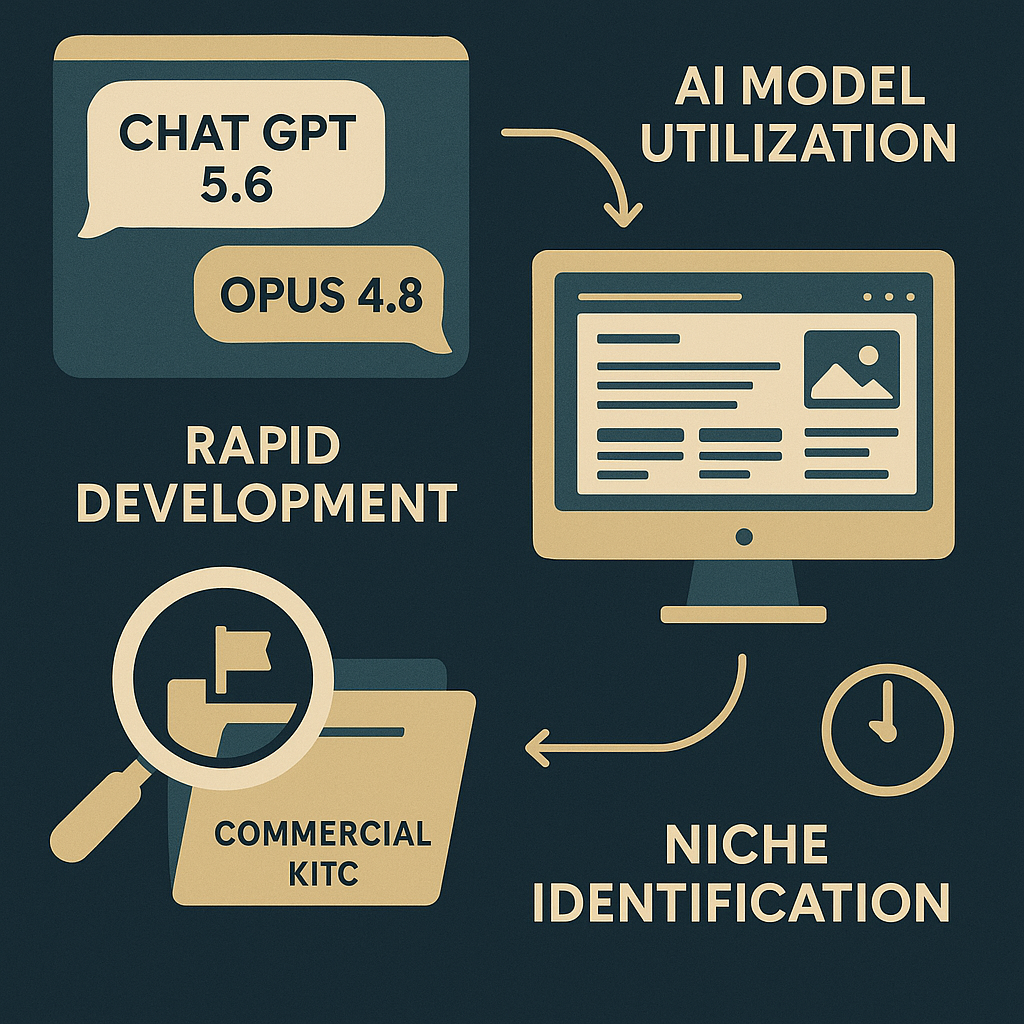
Dupree's approach combines multiple AI models to enhance idea generation, streamline the website creation process, and validate market opportunities through data analysis. Utilizing tools like Chat GPT 5.6 and Opus 4.8, he formulates a clear framework for exploring viable directory niches that can generate revenue. This strategy addresses the issue of slow development times and provides a method for choosing directory ideas backed by research rather than mere assumptions.
How It Works (Step by Step)
Step 1: Utilize Multiple AI Models
- Access AI model tools, such as chatlm.abacus.ai, which host various AI models in one place.
- Generate directory ideas by querying different models, like Chat GPT 5.6 and Opus 4.8.
- Ensure diverse input by using each model's unique perspective to overcome idea generation limits.
Step 2: Rapid Website Creation
- Move from traditional website creation timelines of months to just minutes with AI assistance.
- Focus on user-friendly customization and design using AI-driven tools.
Step 3: Identify Underserved Niches
- Analyze AI-generated directory ideas for uniqueness and market potential.
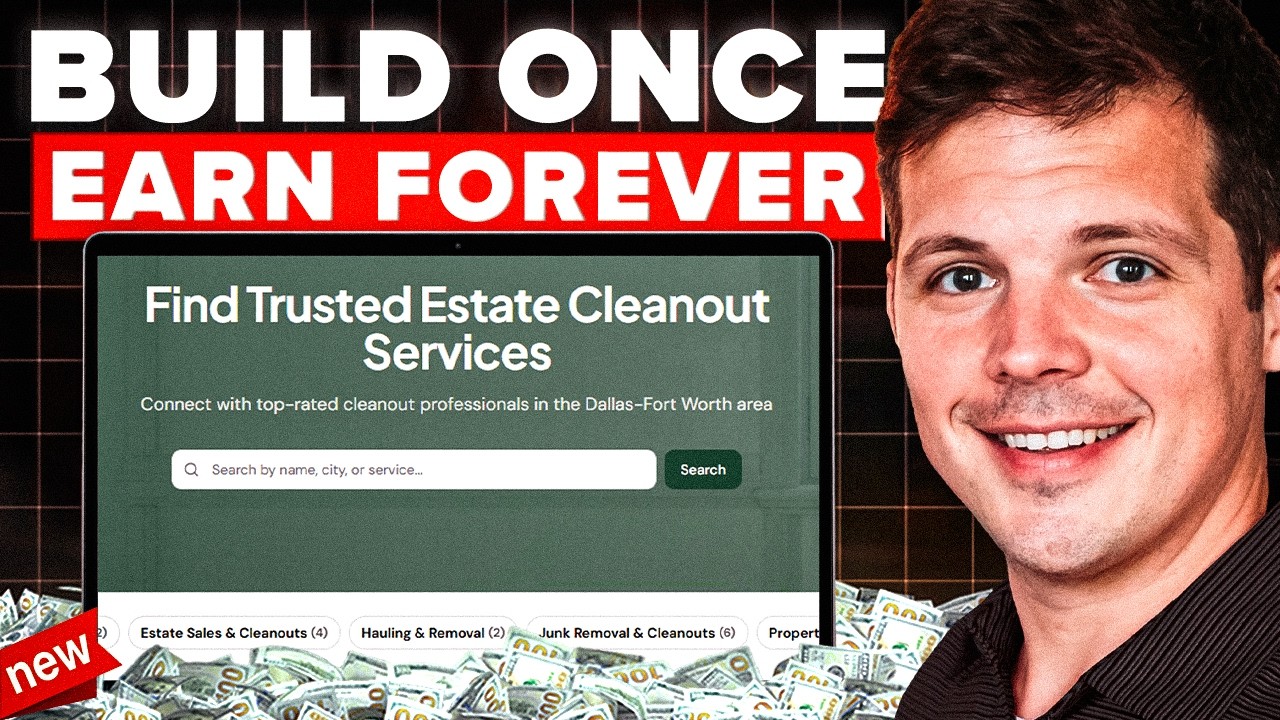
- Consider niches like a "commercial kitchen equipment repair directory" or an "estate cleanout directory" to fill gaps in existing offerings.
Step 4: Conduct Market Analysis
- Evaluate target demographics for each directory idea, assessing both B2B and B2C markets.
- Use research to back decisions, considering accessibility challenges and revenue potential.
Step 5: Validate Ideas through Trend Analysis
- Utilize Google Trends over the past five years to validate demand for directory ideas.
- Conduct keyword assessments on trends.google.com to compare potential directories' viability.
Step 6: Explore Revenue Generation Strategies
- Determine possible methods for monetization, such as ads, subscriptions, or lead generation for listed businesses.
- Tailor strategies to the identified target market for maximum profitability.
Step 7: Create a Feedback Loop
- Integrate AI-generated insights and user feedback to continually adapt and enhance directory content.
- Establish a system to gather data for ongoing improvement and relevance.
Step 8: Directly Engage Consumers
- Use consumer-targeted marketing strategies for ideas like the estate cleanout directory.
- Focus on ease of engagement rather than B2B complexities.
Examples from the Source
Dupree summarizes his process clearly in the video. He emphasizes, "Previously, it could take developers months to create a simple directory website, but we can accomplish this in just minutes now." He starts with Chat GPT 5.6, asking for an underserved local directory niche and receives the suggestion of a "commercial kitchen equipment repair directory." When he queries Opus 4.8, it responds with an "estate cleanout and senior downsizing directory." According to Dupree, "the commercial kitchen equipment repair directory appealed to Chat GPT because it avoids the crowded generic directory market," a crucial factor in niche selection.
He highlights demographic trends, noting that "10,000 baby boomers retire daily," which affects markets related to estate sales. Dupree validates his directory idea by checking Google Trends for "estate sale," observing significant changes and indicating a recent uptick in interest. Ultimately, he assesses keyword trends between "commercial kitchen equipment repair" and "aging in place," discovering compelling data he cites in favor of targeting an estate cleanout directory.
Common Pitfalls
Many aspiring entrepreneurs make mistakes that hinder their chances of success with directory websites:
- Failing to validate their ideas with data, which leads to pursuing unfeasible niches.
- Overlooking the importance of demographic analysis, which can result in targeting the wrong audience.
- Neglecting the competitive landscape, leading to saturation in chosen niches.
- Ignoring the feedback loop and market responsiveness, causing directories to become outdated quickly.
Action Checklist
- Identify at least three AI tools to assist in idea generation for your directory website.
- Conduct a market analysis focusing on underserved niches you’re passionate about.
- Validate your chosen directory idea against trends over the past five years using Google Trends.
- Develop a monetization strategy tailored to your target market, B2B or B2C.
- Establish a user feedback system for your directory to keep content relevant.
- Create the directory website using AI tools for efficient design and setup.
- Engage directly with consumers in your niche for effective marketing.
- Continuously reassess trends and demographic data to adapt your strategy.
Watch the Full Video
For an in-depth exploration of this strategy, watch the full video here.
Want more like this?
The full archive of strategy + AI articles lives at strategythread.app, curated weekly, no fluff.