Is Your Business Ready to Scale, or Are You Just Spinning Wheels?
Why Recognizing Business Outcomes Matters
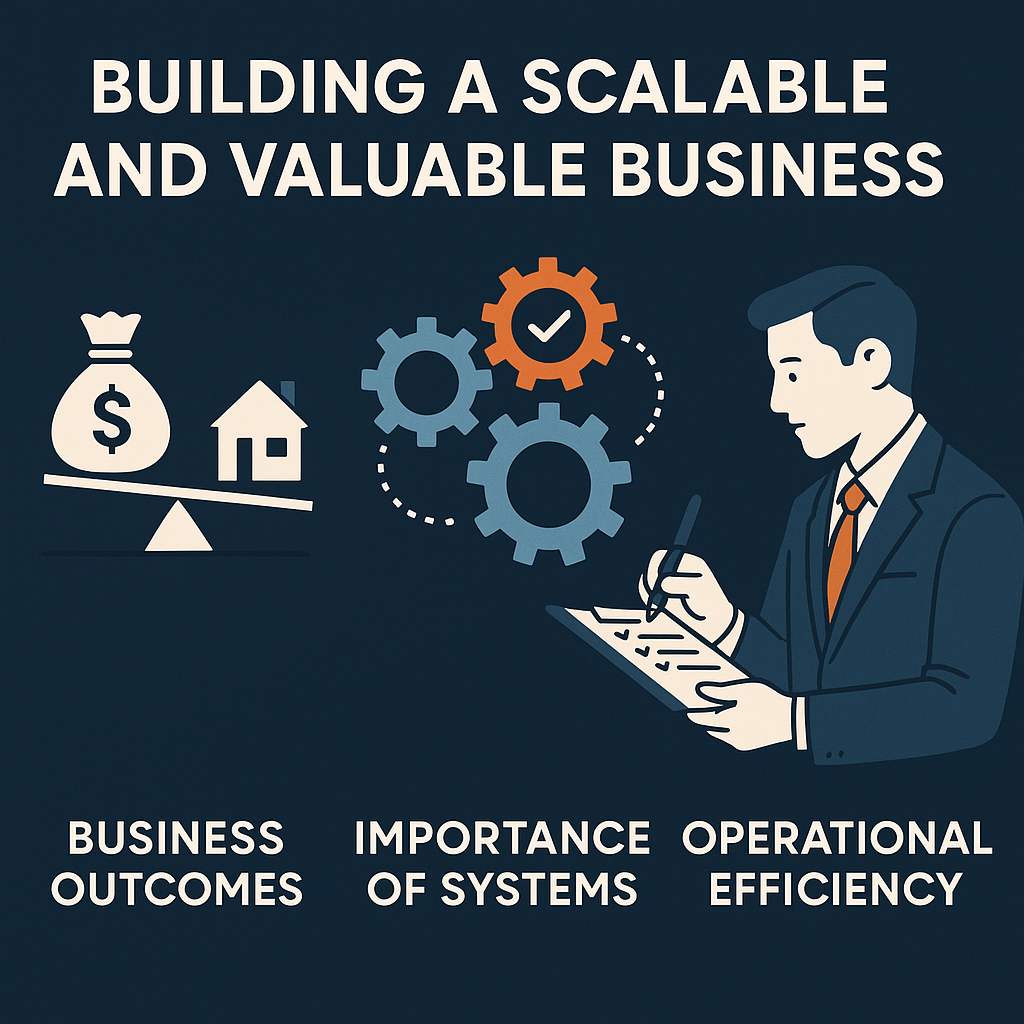
Every business is on a journey, heading towards success through value creation or meeting the grim fate of shutting down. Understanding this binary reality isn't just theoretical—it helps savvy entrepreneurs avoid the pitfall of strategic misfires that surface too late.
Consider a startup that launches with great fanfare but quickly fizzles because it prioritized rapid expansion over genuine value creation. Without aligning on the core driver of success, everything else eventually falls short.
The Backbone of Scaling: Effective Systems
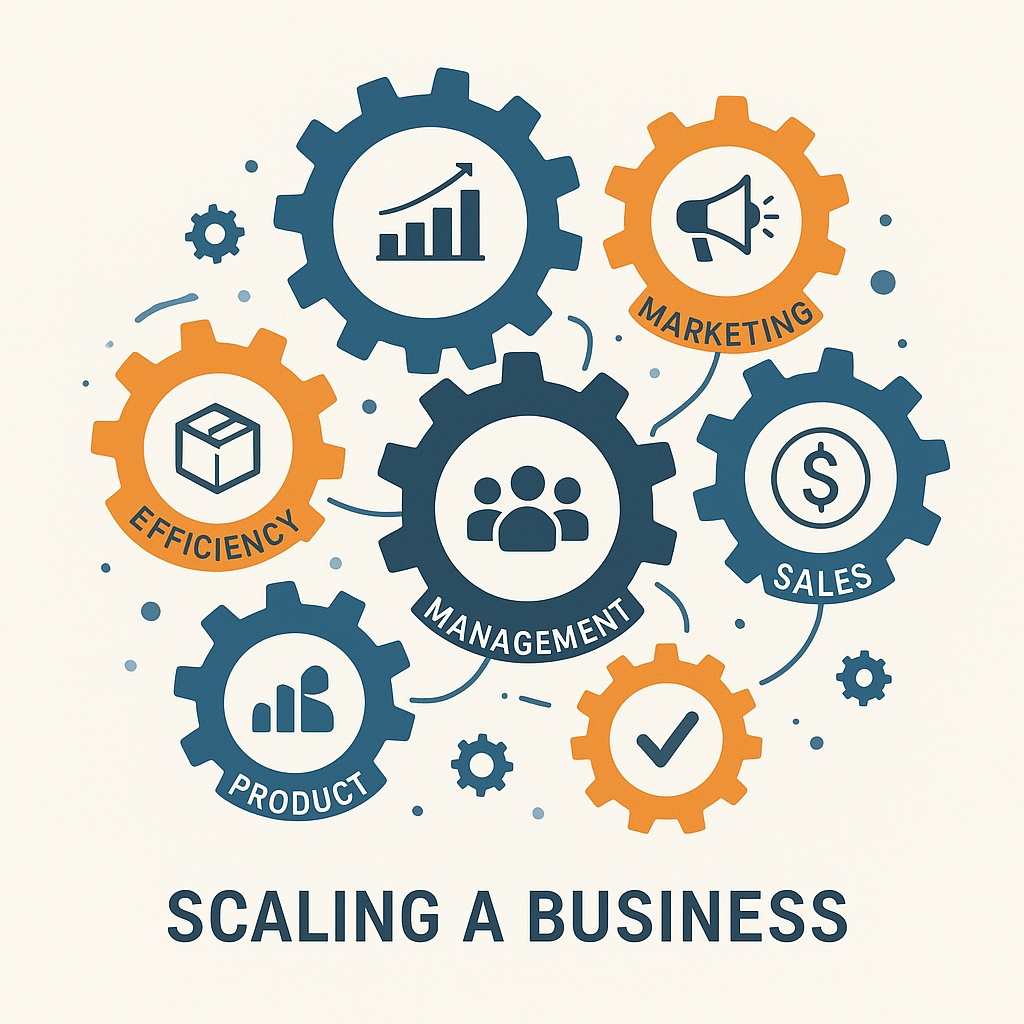
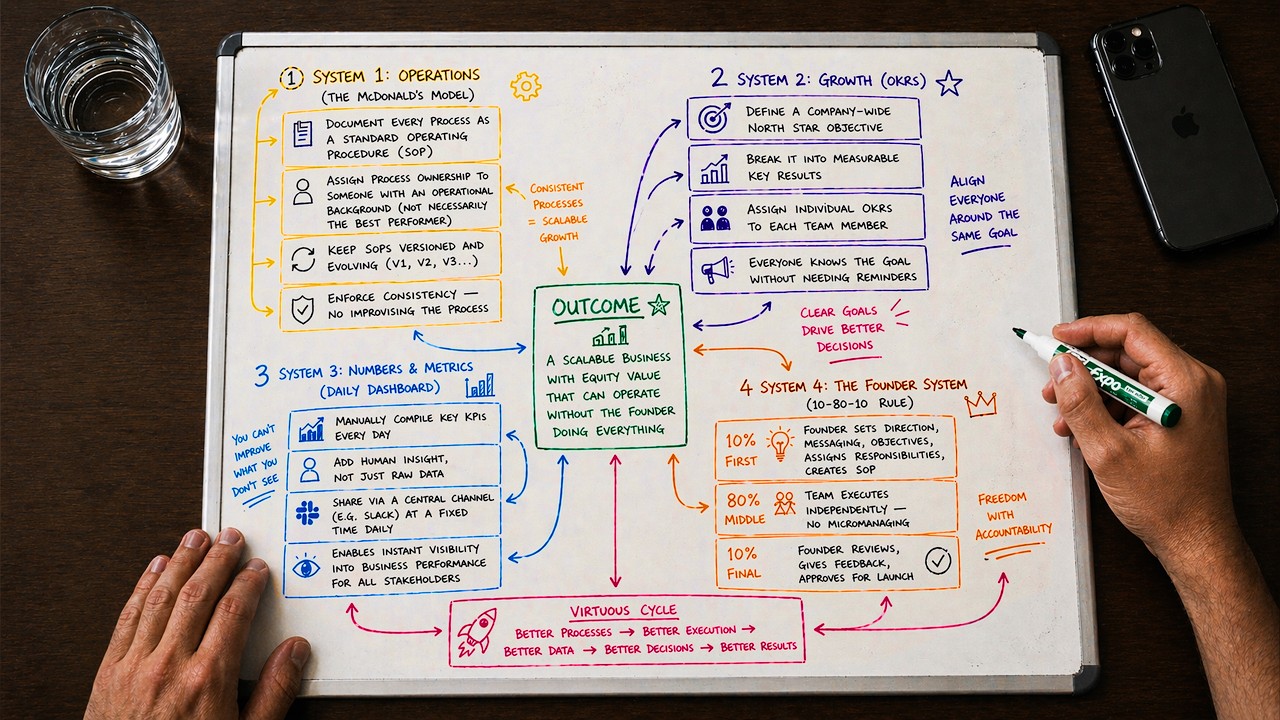
Scaling isn't about working harder; it's about working smarter. This requires robust systems to facilitate growth and prepare for profitable exits. A business without systems is like a car without an engine—it might look good, but it won't get far.
Think about how McDonald's operates: their success isn't solely due to tasty burgers. It's their standardized systems that ensure every outlet, be it in New York or Tokyo, performs seamlessly.
Consistency Through SOPs and Operational Efficiency
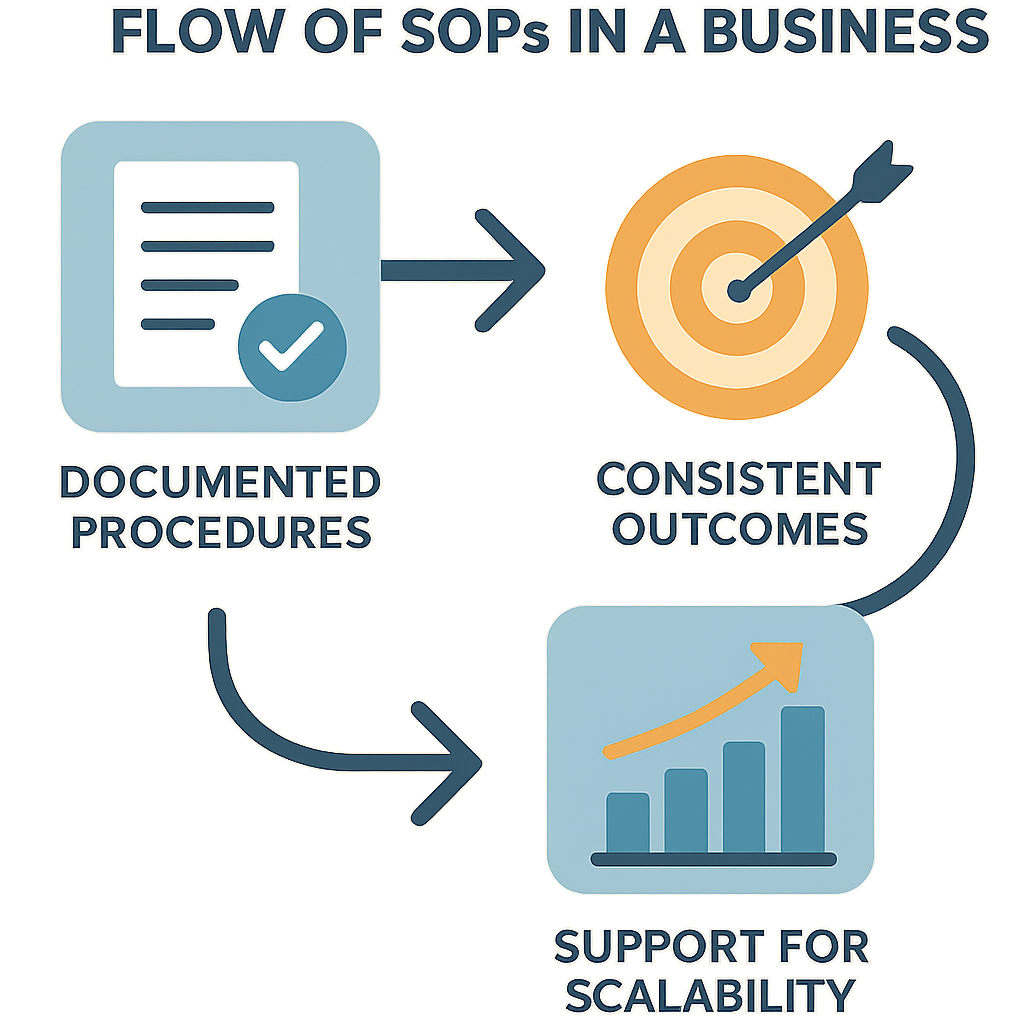
SOPs (Standard Operating Procedures) are more than just documents gathering dust. They're crucial for translating a business dream into a consistent, scalable reality. By documenting proven processes, businesses can replicate success stories instead of constantly reinventing the wheel.
Consider this: McDonald’s success showcases the power of SOPs. Their carefully devised procedures guarantee a consistent customer experience worldwide.
Hire for Expertise: The Role of Operational Leadership
Having a strong task performer on your team is great, but it doesn't automatically translate into effective leadership. Scaling requires operational leaders who know how to drive the ship steadily forward, updating the playbook as waters change.
For example, a brilliant software developer might not excel at managing a team or strategizing operations. Bringing in someone with deep operational expertise can bridge this gap, optimizing efficiency across the board.
Achieving Your Goals with OKRs
Objectives and Key Results (OKRs) streamline efforts towards common goals, ensuring the entire team is paddling in the same direction. It's not just about setting targets—it's maintaining focus while tracking meaningful progress.
Imagine you're running a team race: without OKRs, each member might run fast but in different directions. With OKRs, every step propels you collectively towards the finish line.
Embrace the Power of Data-Driven Decisions
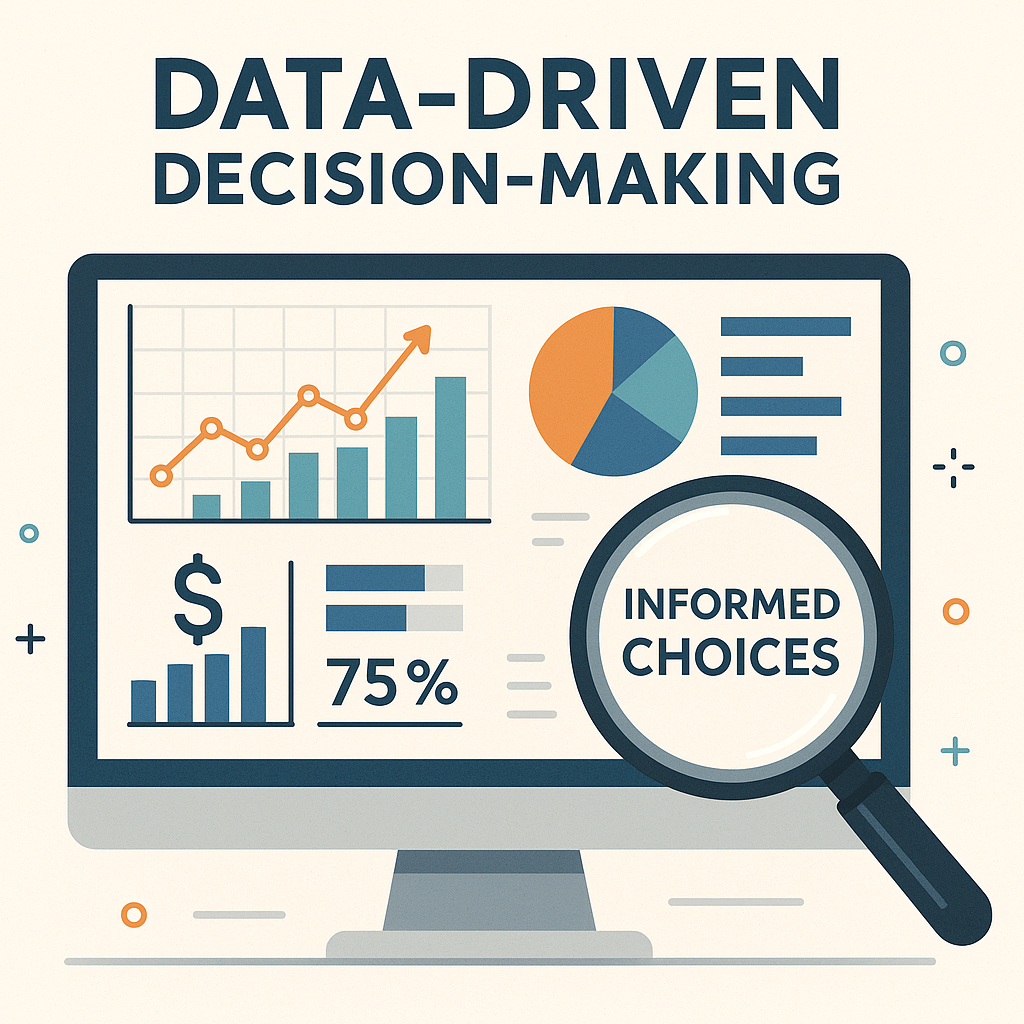
In business, guesswork is costly. The antidote? Data-driven decision-making. Rather than relying on intuition alone, businesses should create daily manual dashboards, giving life to their KPIs.
Why manual? Automation is efficient, but manual compilation provides deeper, hands-on insight—gaining a literal feel for each number's significance.
Reporting: Keep Metrics Transparent and Decisions Informed
Daily business metric reports enhance clarity. They're not about drowning in details but empowering deliberate, informed decisions. Transparency fosters trust and agility, pivotal qualities for any thriving enterprise.
Take a high-performing sales team, for instance. By reviewing their metrics daily, they can spot trends, adjust strategies, and steer towards targets with confidence.
Conclusion
Structured systems, clear goals, operational insight, and data-driven management combine to create a business that is not just surviving but thriving and scalable. Consider each element not as separate parts but as integral pieces of a strategic framework ready to adapt and flourish in the competitive business landscape.
Want more like this?
The full archive of strategy + AI articles lives at strategythread.app — curated weekly, no fluff.