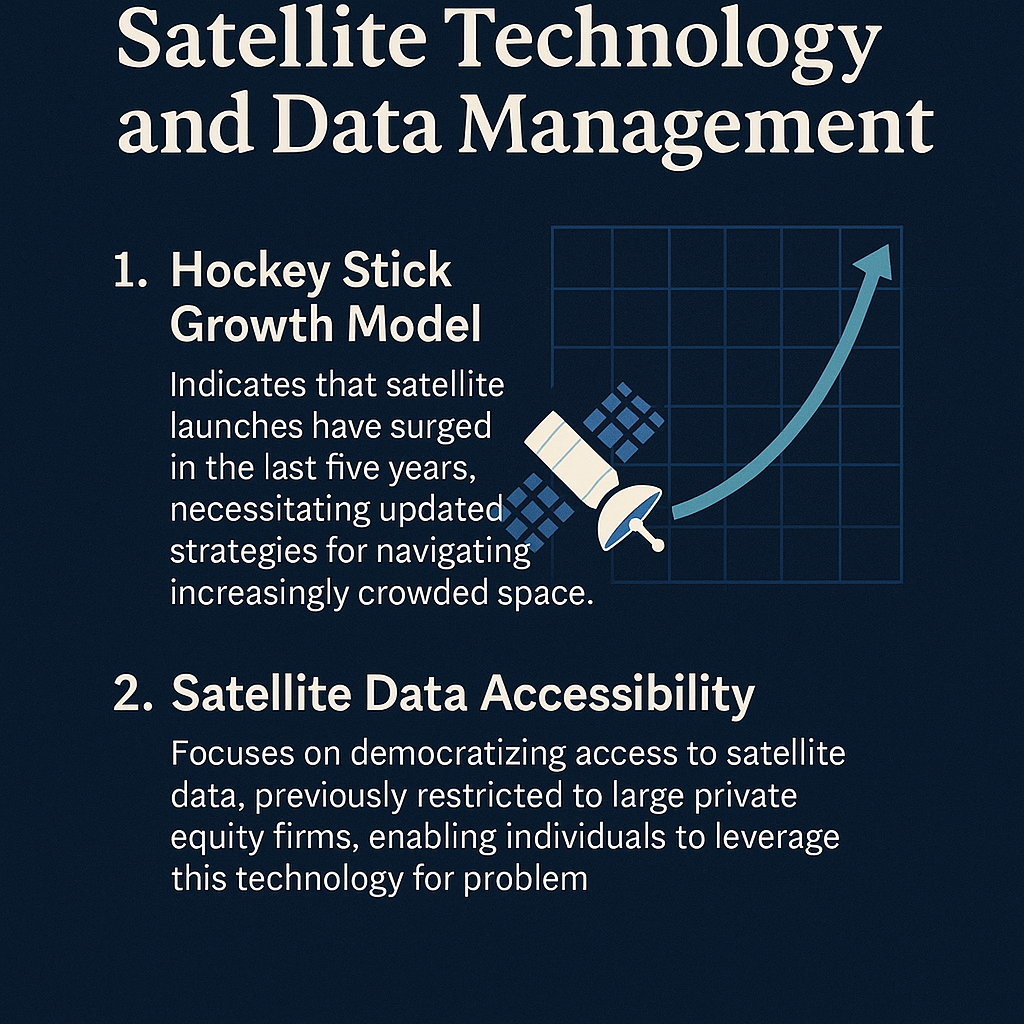
 The surge in satellite launches over the past few years marks a dramatic shift in the space industry, as if we've hit the upswing of a hockey stick. But with every great opportunity comes significant challenges, especially in making use of this bustling space environment.
TL;DR
As the number of satellites in orbit climb fasts, so does the importance of making satellite data accessible to everyone. Tilebox acts like the AWS for space data, simplifying satellite data management to empower developers in creating innovative solutions without the usual technical hassle.
The Problem

With more satellites launched in the last five years than the fifty years prior, the sky is not just the limit, it's becoming crowded. The space industry is hitting a critical mass, where new strategies for data utilization are urgently needed. The bottleneck lies in accessibility: historically, only large private equity firms could utilize satellite data, leaving individuals and smaller entities out of the loop. It's an outdated approach in an evolving space ecosystem.
The Strategy
The proposed strategy is a high-impact transformation of how satellite data can be accessed and utilized. With Tilebox, satellite data becomes easily reachable and practical for developers, breaking down entry barriers. This democratization of data availability allows more innovative and iterative product development, unleashing a world of previously untapped potential.
How It Works (Step by Step)
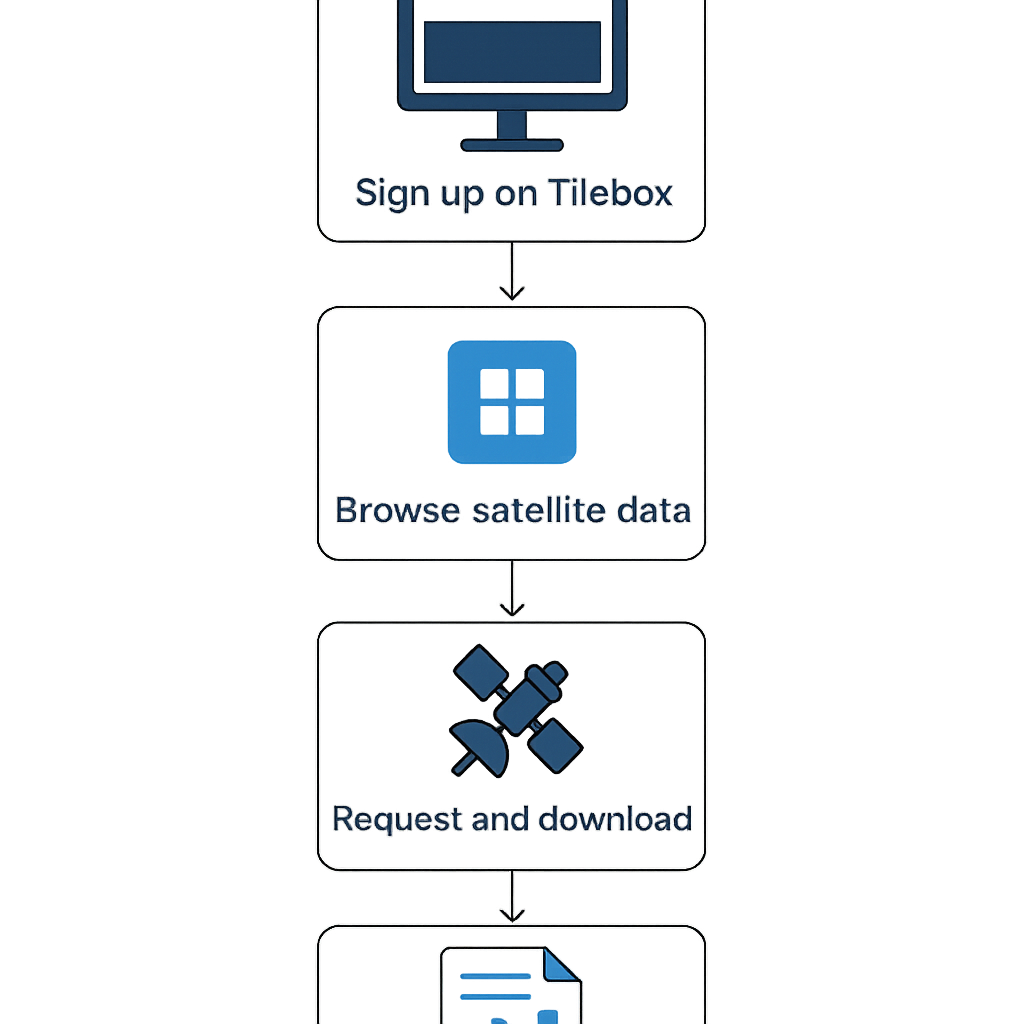
Simplifying Satellite Data Management with Tilebox
Tilebox offers a platform akin to AWS but for space data, streamlining satellite data management by removing complex infrastructure barriers. Developers focus solely on product development.
Iterative Development
With the reduced need to handle raw data, developers can build and refine products iteratively. This enables a more agile development process, allowing for quick pivots and adjustments based on user feedback.
On-Satellite Computations
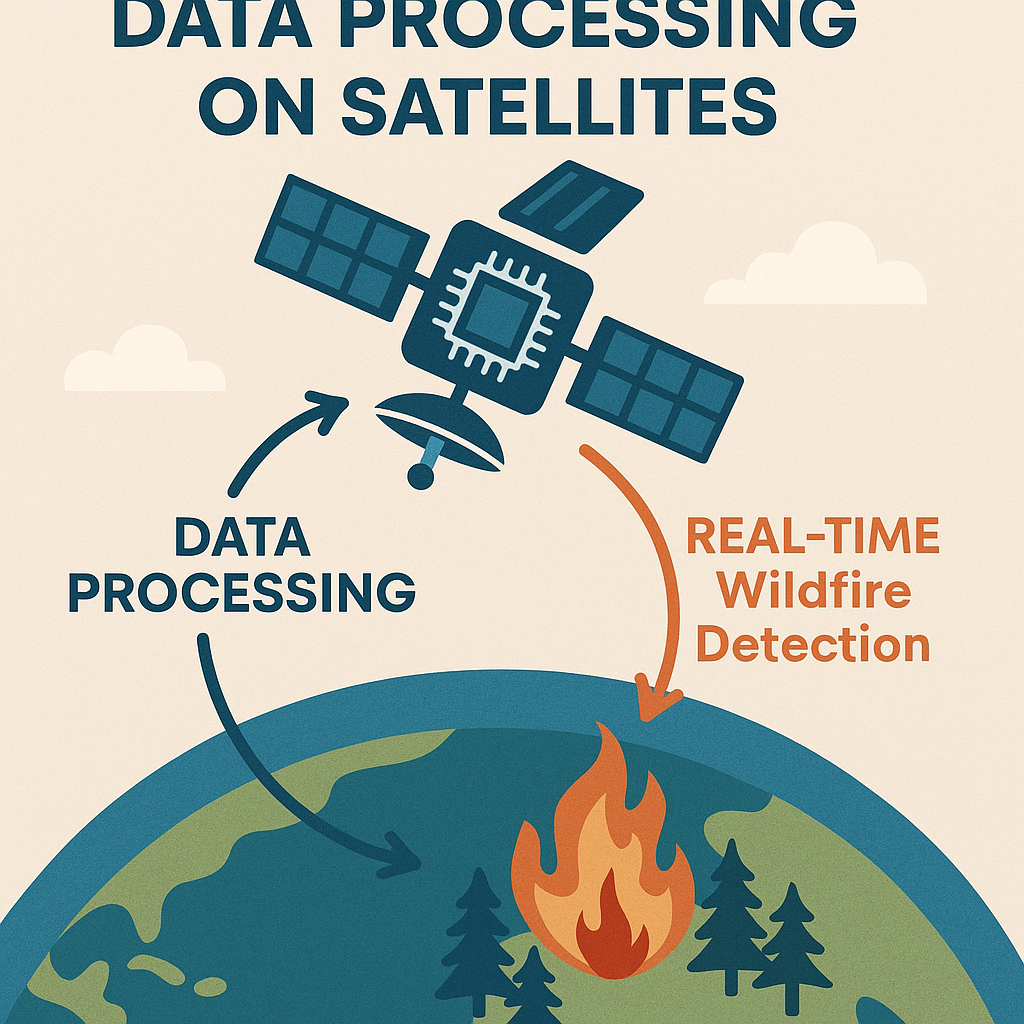
Computations directly on satellites eliminate the need for cumbersome data transfers. By processing data at the source, such as filtering for real-time applications like wildfire detection, efficiency and speed are exponentially improved.
Software Flexibility
Updating software directly on satellites means satellites can be continuously improved with new capabilities. This ongoing enhancement boosts operational functions for diverse applications.
Examples from the Source
In the past five years, we've sent more satellites into space than in the preceding fifty years. This growth is just the beginning, resembling the upswing of a hockey stick.
Tilebox acts as the AWS for space data, enabling developers to integrate space data into everyday products.
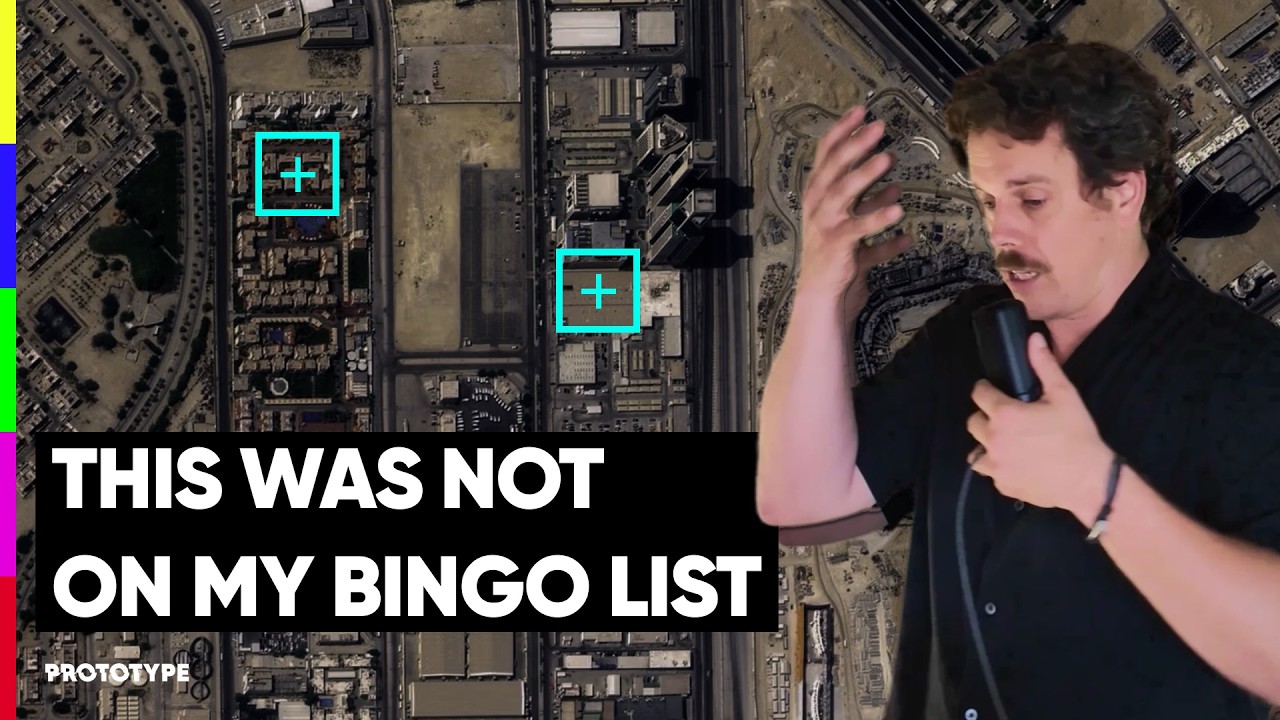
Laura, Tilebox's founder, and Stefan, the CTO, highlighted their use case: tracking data center growth across the US with minimal manual input demonstrates the system's efficiency. Additionally, by 2033, 7 tons of payload is projected to be sent into space daily, underlining the continuous expansion and need for space innovation.
Common Pitfalls
- Assuming satellite data is easily manageable without the correct platform, leading to technical debt and inefficiencies.
- Neglecting the iterative nature of development; failing to adapt quickly to new user feedback due to rigid data management structures.
- Overlooking the necessity of updating satellite software, which could result in outdated functionalities unable to meet modern demands.
- Underestimating the need to filter data at the source, which can lead to data congestion and slow response times.
Action Checklist
- Evaluate current satellite data strategies and identify bottlenecks in data accessibility.
- Investigate how Tilebox could reduce complexity in your data management processes.
- Adapt a more iterative product development approach to keep pace with user demands.
- Plan for regular software updates on satellites to maintain operational relevance.
- Implement source-based data filtering to enhance application efficiency.
- Track industry trends on payload growth and adjust strategies accordingly.
- Explore use cases like Tilebox's data center monitoring to inspire innovative applications.
Watch the Full Video
Want more like this?
The full archive of strategy + AI articles lives at strategythread.app, curated weekly, no fluff.