
Could Your Systems Be the Secret to Consistent Success?
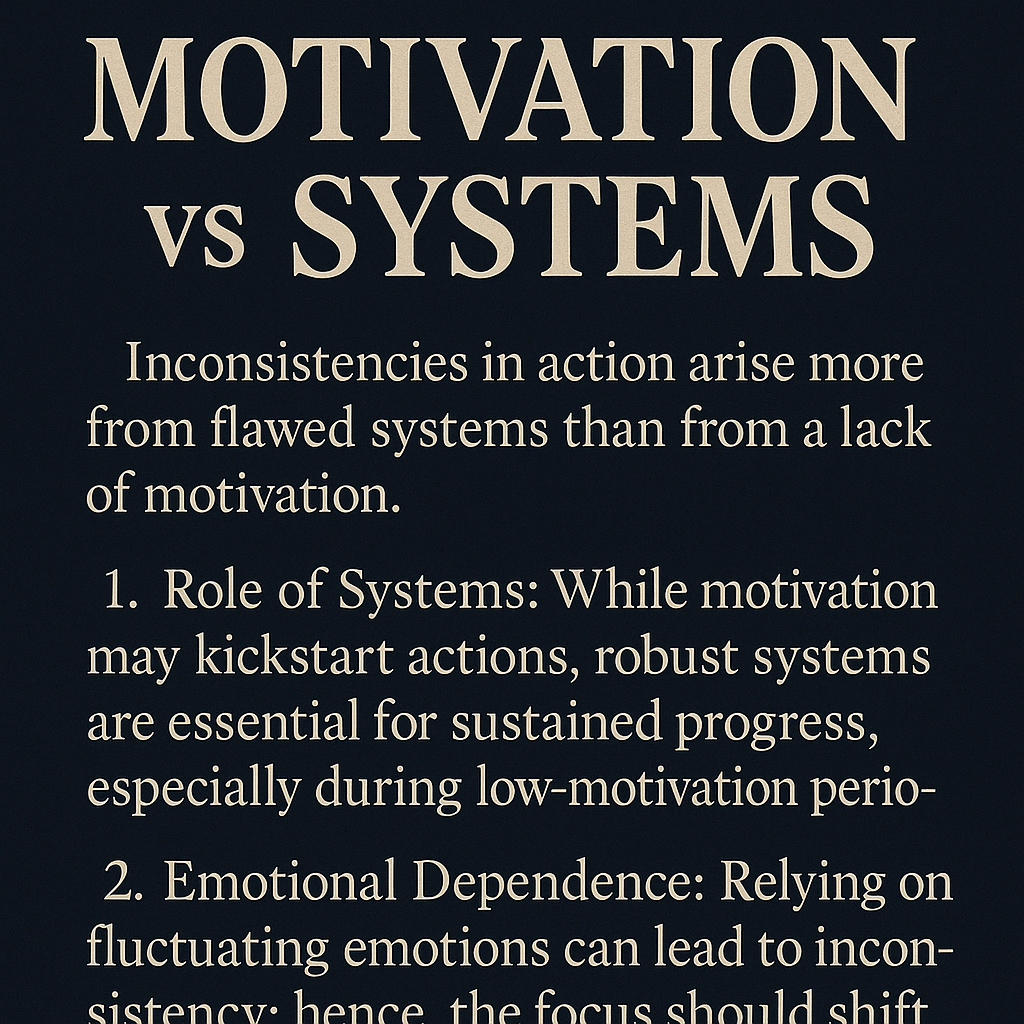
How often have you started the week brimming with motivation, only to find yourself wavering by Wednesday? The secret to sustaining progress doesn't lie in chasing fleeting emotions but in designing strong systems that guide your actions, even when motivation dips.
The Essential Role of Systems
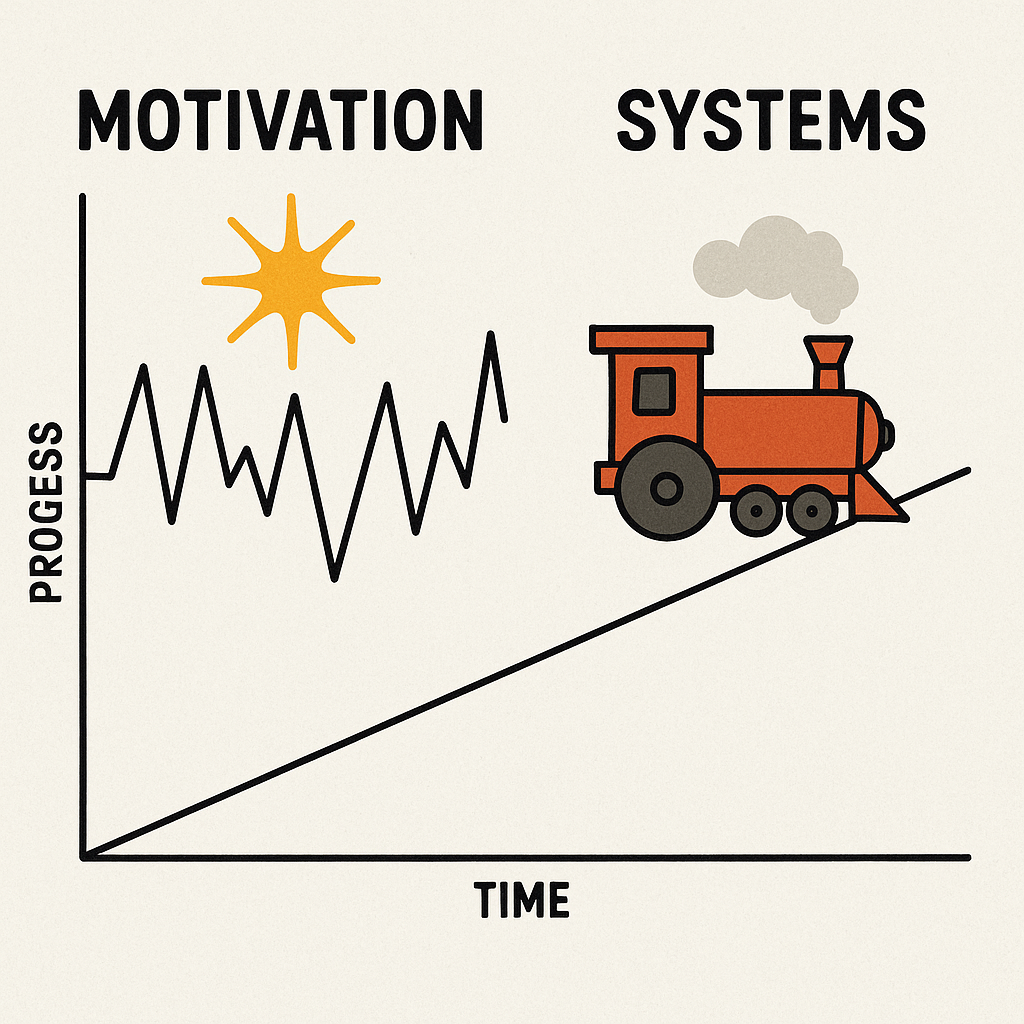
While motivation provides the initial spark, it can quickly fizzle out. Systems are the steady engine that keeps your progress moving. Imagine setting up a system that automates important tasks even when your enthusiasm drops. For instance, think of scheduling exercise sessions initially prompted by motivation. But what happens when motivation wanes? Your pre-set workout reminders and easily accessible gear are the systems that sustain your fitness regime without needing constant willpower.
Emotional Dependence: A Risky Bet
Emotions can be as unpredictable as the weather. When you rely solely on them, consistency becomes a wish rather than a plan. To counter this, focus on creating structures that drive you forward, regardless of how you feel. Low-motivation hacks include setting specific, manageable tasks that don't bow to mood swings, like deciding to write 250 words a day rather than waiting for a burst of inspiration.
Reduce Friction to Boost Action
Simplify your actions to enhance consistency. Reducing friction might be as simple as placing your gym clothes by the door or preparing a healthy snack to grab when hunger strikes. These small tweaks can lead to significant improvements by making the desired action the easiest option.
Make Goals Visible
Clarity is a formidable ally. Keeping your goals visible, whether on a whiteboard in your office or as a reminder on your phone, creates constant awareness and accountability. Furthermore, tracking progress not only reduces mental load but also provides a psychological boost as you see yourself inching towards your goal. This could be as simple as ticking off daily accomplishments, which reinforces a sense of progress and satisfaction.
Start Small for Big Wins
Tackling an entire project upfront can be paralyzing. Break it into smaller, manageable steps to relieve pressure and maintain momentum. This could mean focusing on writing one page daily instead of finishing the whole chapter at once. These smaller victories compound over time, building confidence and progress without the burden of overwhelm.
Triggers: The Quiet Prompt
Use triggers to your advantage by linking specific actions to everyday events. If you want to read more, pair it with your morning coffee ritual. Want to develop a meditation habit? Make it the first thing you do after brushing your teeth. These cues become automatic nudges that help form consistent habits.
Design a Supportive Environment
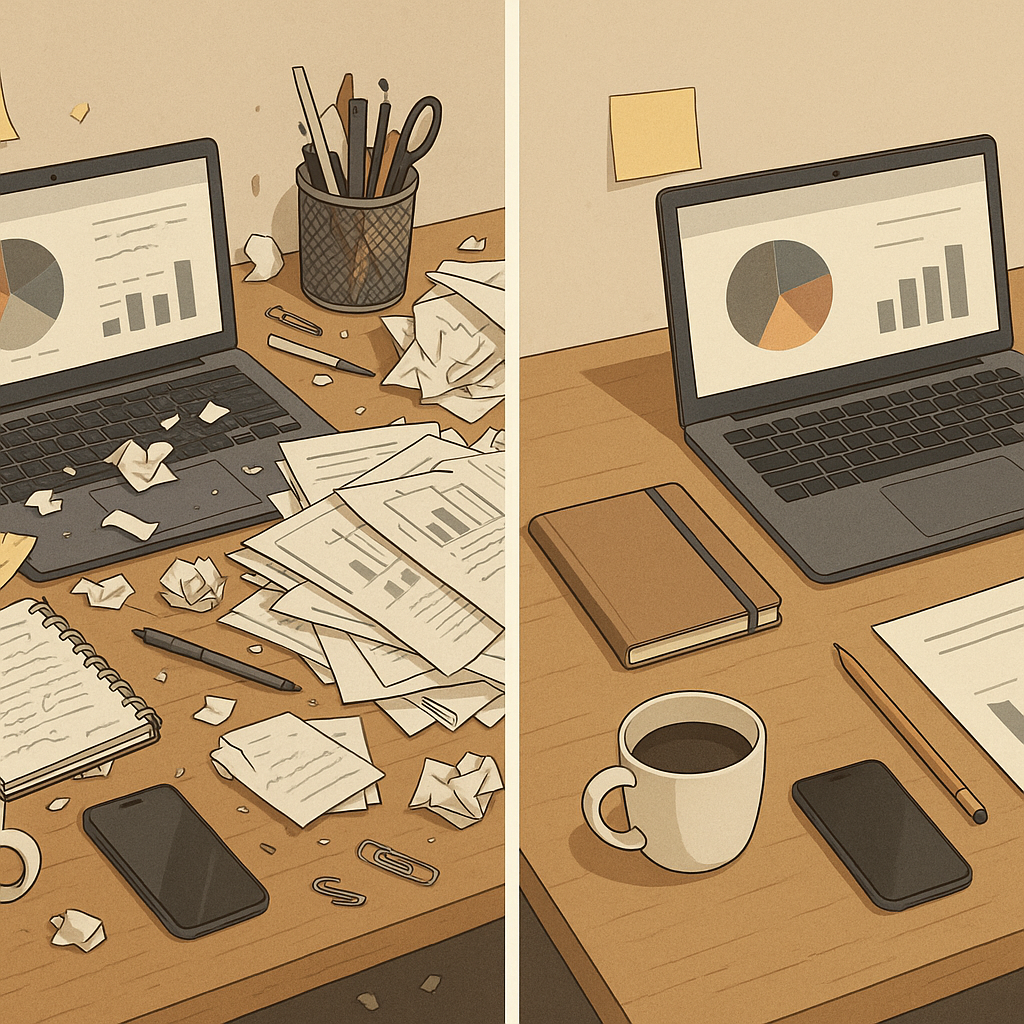
Your physical space significantly influences your behavior. A cluttered desk can distract you from work, while a tidy, organized space enhances focus. Consider arranging your environment to support your goals, such as setting up a dedicated workspace without distractions for better productivity.
The Importance of Memory Aids
Your memory isn’t foolproof; calendars and checklists are your allies. Use them to keep track of important tasks and appointments, ensuring nothing slips through the cracks. This system frees your mind for creative thinking instead of mundane task tracking.
Building Resilience Through Systems
Effective systems buffer you against setbacks, offering frameworks for rapid recovery. Having a process to evaluate failures and re-align your actions can redefine how you respond to challenges. Such systems give you the latitude to pivot and adapt, making perseverance part of your routine.
Design Overforce: A Better Approach
Framing consistency as a design challenge rather than a battle of willpower changes the game. By focusing on creating systems that naturally lead to consistent actions, you're setting yourself up for sustainable success.
The emphasis should be on easing the path to action by constructing effective systems rather than merely hoping for unending motivation. With solid systems in place, you cultivate lasting habits and reliably achieve your goals. Instead of fighting fleeting emotions, design a life that moves forward steadily, regardless of how you feel at any given moment.
Want more like this?
The full archive of strategy + AI articles lives at strategythread.app — curated weekly, no fluff.