The Evolution of Creativity: Technology's Role in Art and Expression
Curated and edited by Isaiah Dupree·Isaiah Dupree curates and edits Strategy Thread
Q2 20261 sources
# The Creative Convergence of Technology and Art: A Deep Dive into "Automation Game Strong"
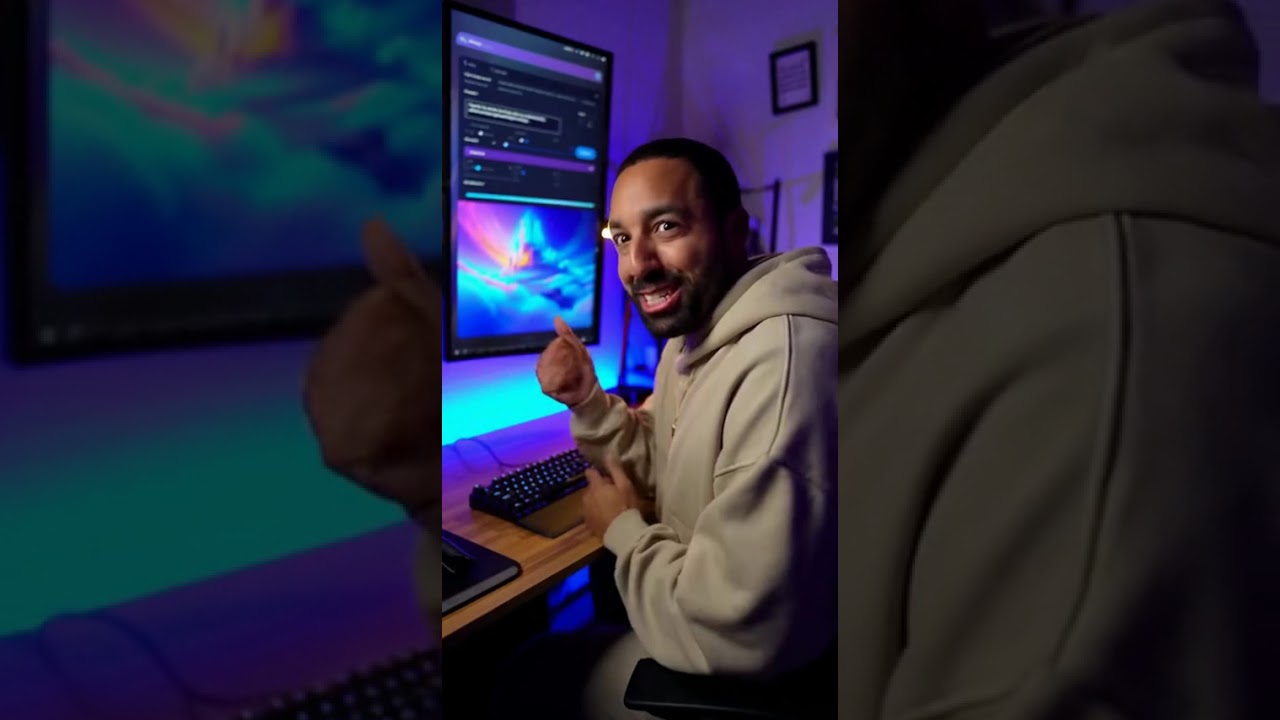
In an era where technology increasingly interfaces with creativity, the YouTube video "Automation Game Strong" by Isaiah Dupree provides a fascinating exploration of how these two realms merge. The video delves into several insightful aspects of this intersection, emphasizing how technology is not just a supplement but an enhancer of human creativity.
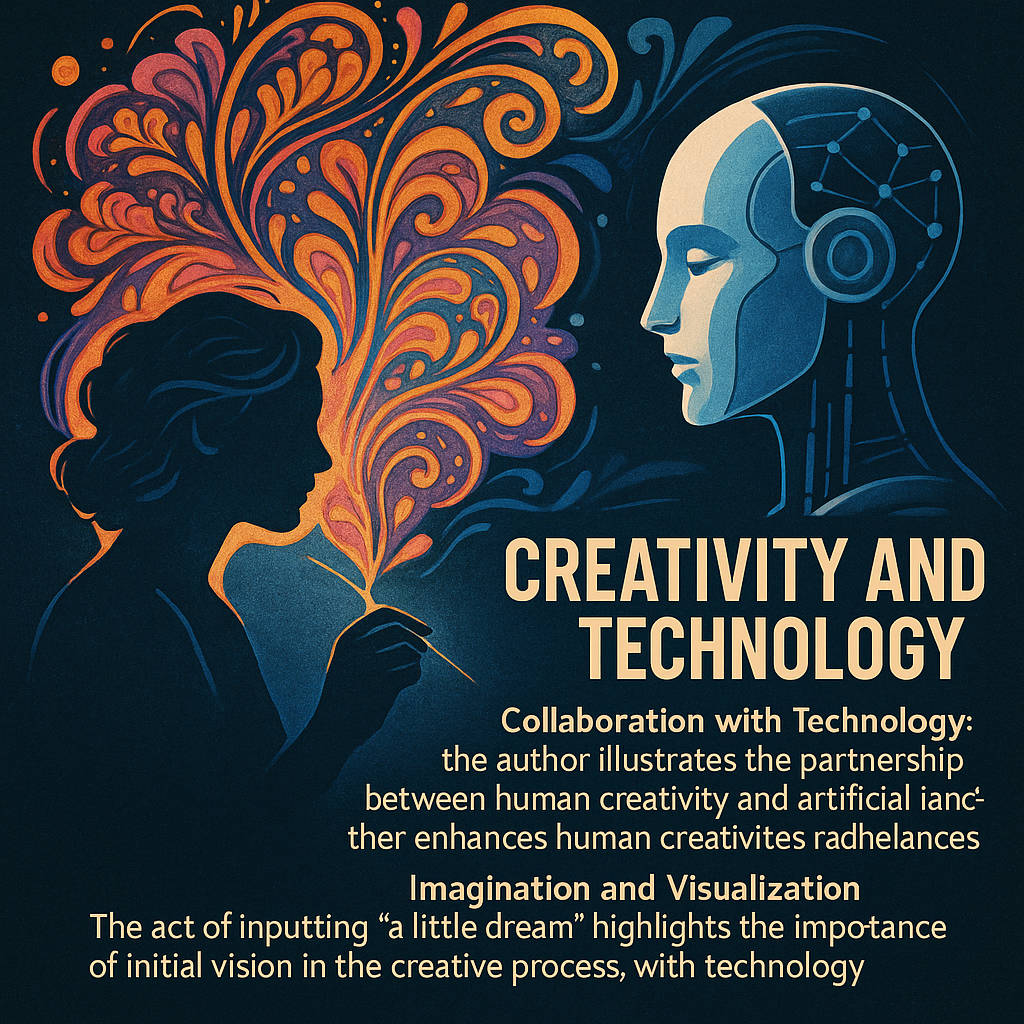
## Collaboration with Technology
One of the central themes highlighted is the partnership between human creativity and artificial intelligence. The video suggests that AI can significantly augment the creative process in art, enhancing human capabilities rather than replacing them. This collaboration allows for new forms of art that were previously unimaginable.
## Imagination and Visualization
A poignant point made is about the act of inputting "a little dream." This illustrates the significance of an initial vision in the creative journey, with technology serving as a powerful tool to bring that vision to life. The notion that imagination fuels creativity is underscored, with digital tools expanding the horizon of what can be visualized and achieved.
## Wonder of Digital Art
AI-generated digital art is described as "a postcard from the future" in the video, encapsulating the wonder and astonishment these creations evoke. This expressions signal a shift in how we view and value art, with digital creations opening new dialogues about artistic interpretation.
## Instant Gratification
The creative process is portrayed with an exciting immediacy, likened to "bread rising but with extra lasers." This metaphor captures the thrill and instantaneous nature of creating with technology, promising an engaging experience that is both fulfilling and fast-paced.
## Cultural Commentary
In the digital age, social media has transformed how art is shared and appreciated. The video notes how platforms like Twitter provide immediate feedback and broaden engagement, reshaping the way artwork is disseminated and consumed on a global scale.
## Blurring of Boundaries
The phrase "I didn’t paint that" raises provocative questions about authorship and the fluid boundaries of creativity in our digital world. As AI plays a more significant role in creation, the traditional definitions of artist and artwork are continually being challenged and redefined.
In conclusion, "Automation Game Strong" by Isaiah Dupree highlights the transformative power of technology in artistic expression. As we stand at the precipice of a new creative landscape, we are reminded of the endless possibilities and discussions that this convergence inspires.
Join the learning journey and be part of the exploration into the fusion of creativity and technology!
- [TikTok](https://www.tiktok.com/@isaiah_dupree)
- [Instagram](https://www.instagram.com/the_isaiah_dupree)
- [YouTube](https://www.youtube.com/channel/UCnDBsEL2jOaEiSyxA77tNNA)
- [Twitter](https://twitter.com/isaiahdupree7)
- [Facebook](https://www.facebook.com/profile.php?id=81562079181208)
- [Discord](https://discord.com/users/692484921826082868)
- [Pinterest](https://www.pinterest.com/isaiahdupree33/)
- [TechMeStuff](https://techmestuff.com)
Source Videos · Q2 2026
The Evolution of Creativity: Technology's Role in Art and Expression