Turning Care into Action: The Key to Sustaining Meaningful Relationships
Curated and edited by Isaiah Dupree·Isaiah Dupree curates and edits Strategy Thread
Q2 20261 sources
### The Importance of Transforming Intentions into Actions in Relationships
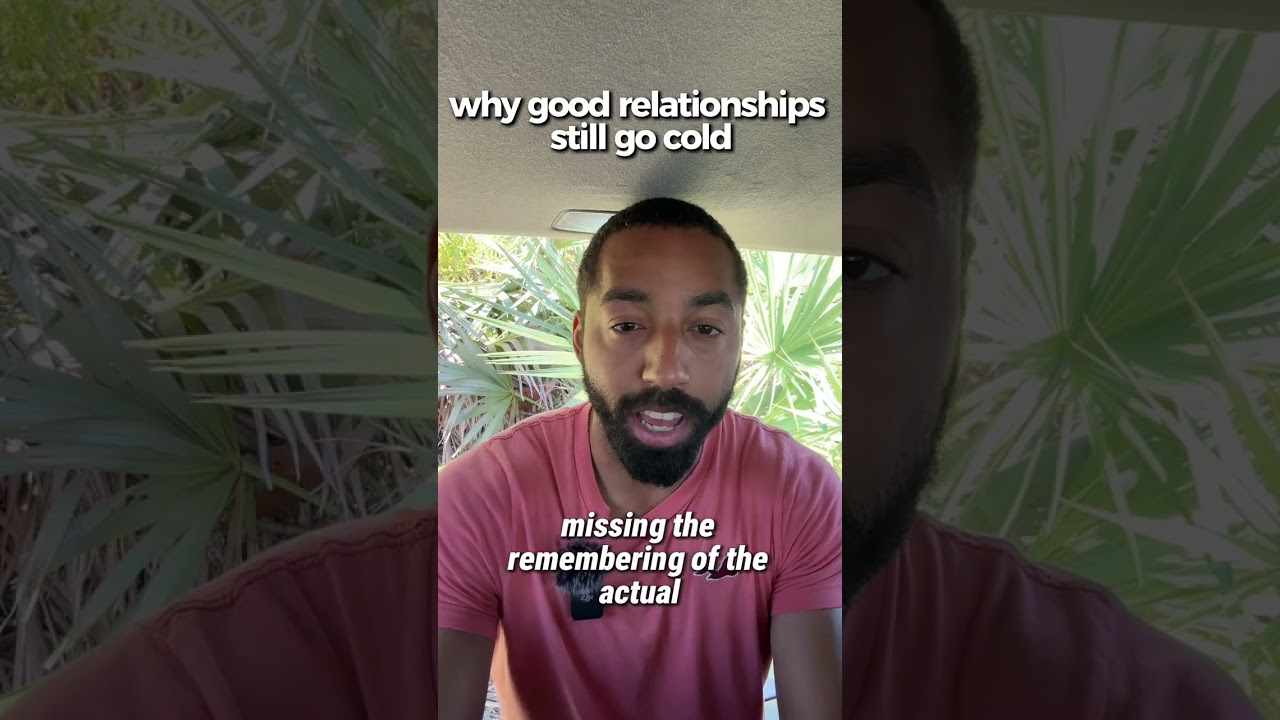
In the video "Why Good Intentions Do Not Save Relationships" by Isaiah Dupree, the emphasis is placed on the vital need to turn genuine feelings of care into actionable behaviors to sustain and nourish relationships. Here's a deep dive into the critical insights shared:
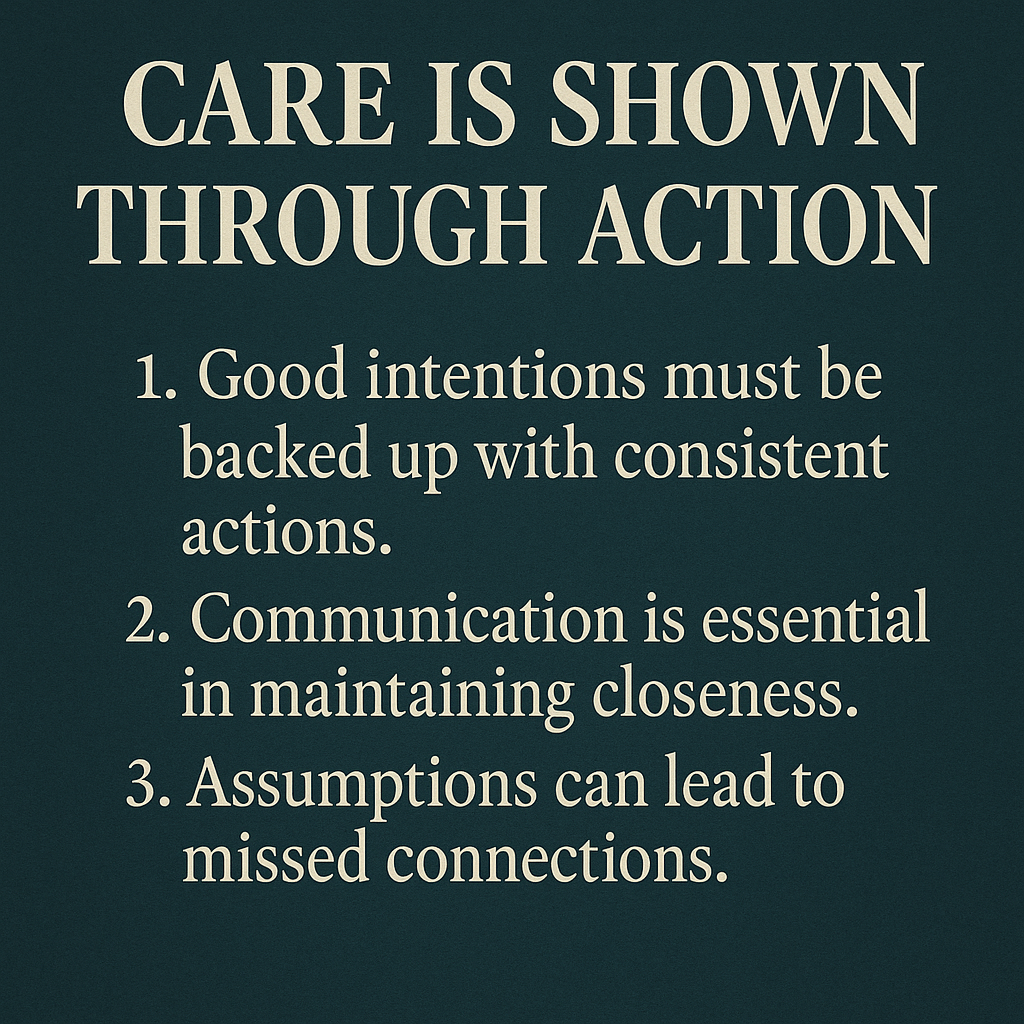
1. **Good Intentions vs. Action**: It's not enough to simply care about someone; this care must be expressed through consistent actions, such as regular communication, to foster and maintain closeness.
2. **Importance of Communication**: Regular and meaningful interaction is crucial, as assuming mutual understanding can often lead to misconceptions and emotional distance.
3. **Missed Connections**: Many relationships suffer from a pattern of missed opportunities for connection. These "almost" actions can create emotional gaps that are difficult to bridge.
4. **Current Engagement over Memory**: Solely relying on past memories is insufficient to keep a relationship alive. Consistent engagement is necessary to ensure that relationships remain vibrant and meaningful.
5. **Guilt and Emotional Burden**: There is often an emotional burden associated with failing to act on feelings of care. This is usually due to a lack of systems for translating care into tangible actions.
6. **Effort and Maintenance**: Keeping a relationship meaningful requires continuous effort and intentional acts, underscoring that love demands dedication over time.
7. **Practical Solutions**: Dupree suggests practical tools, such as a personal CRM, to help individuals ensure that they are consistently acting on their care and nurturing their relationships.
8. **Universal Applicability**: The necessity for active maintenance is applicable to all kinds of relationships, whether they are romantic, familial, or platonic.
9. **Active Engagement Needed**: Relationships need proactive nurturing to prevent natural neglect and emotional drift, pointing to the importance of intentional effort.
In summary, the video advocates for the transformation of caring feelings into consistent actions, suggesting the implementation of systems to effectively maintain and nurture any relationship.
To continue exploring such insights and to join this learning journey, follow Isaiah Dupree on his social platforms:
- **TikTok**: [@isaiah_dupree](https://www.tiktok.com/@isaiah_dupree)
- **Instagram**: [the_isaiah_dupree](https://www.instagram.com/the_isaiah_dupree)
- **YouTube**: [Isaiah Dupree](https://www.youtube.com/channel/UCnDBsEL2jOaEiSyxA77tNNA)
- **Twitter**: [@isaiahdupree7](https://twitter.com/isaiahdupree7)
- **Facebook**: [Isaiah Dupree](https://www.facebook.com/profile.php?id=81562079181208)
- **Discord**: [Isaiah Dupree](https://discord.com/users/692484921826082868)
- **Pinterest**: [isaiahdupree33](https://www.pinterest.com/isaiahdupree33/)
- **TechMeStuff**: [TechMeStuff](https://techmestuff.com)
Source Videos · Q2 2026
Turning Care into Action: The Key to Sustaining Meaningful Relationships