

Are You Ready to Take on the Challenge?

Getting ready for a challenge isn't just about skills, but the grit you build through late nights and relentless dedication. These are the trials preparing you for something bigger. The very act of persistence is key to open uping success.
From Playing Small to Building Big
Ever felt ready to shift gears from a warm-up to something monumental? That ambition and vision fuel your drive to leave a larger footprint, aiming for impact rather than just participation. The goal is a substantial difference.
The Power of "We"

Success isn't a solo journey. "We" carries more power than "I", highlighting the energy of teamwork and collaboration. Collective effort fosters a sense of community and accelerates the trek toward achieving shared goals.
Appreciating the Path
Even small steps are crucial to larger dreams. Embrace each moment, knowing they're part of the bigger picture. The journey itself offers just as much growth as reaching the destination.
Embrace Growth, Seek Opportunity
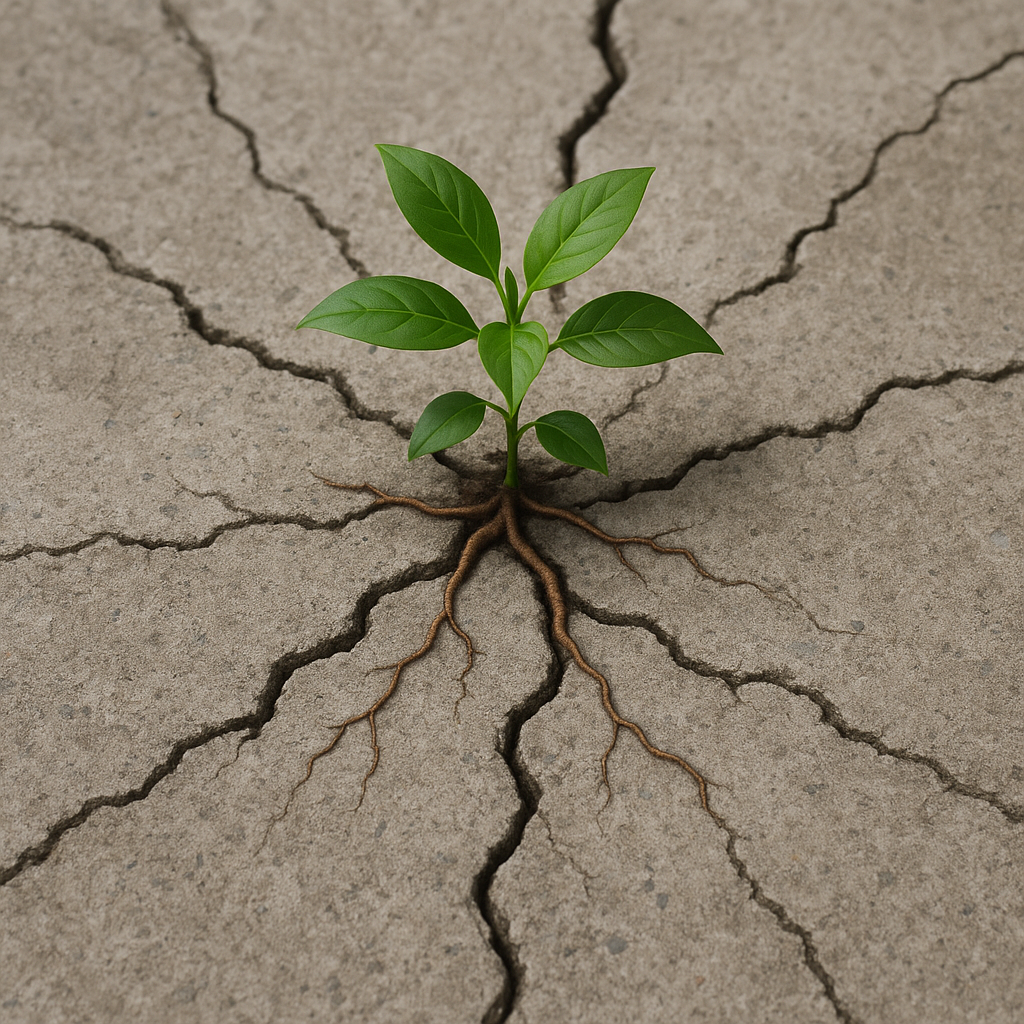
Every challenge faced isn't a setback but an opportunity for growth. Adopting a growth mindset encourages you to view obstacles as development pathways, fostering a resilience towards conquering barriers.
The message is clear: act, persist, and keep a forward-thinking mentality to achieve your greatest ambitions. It's all about progression and growth, as Isaiah Dupree explores in his video series.