
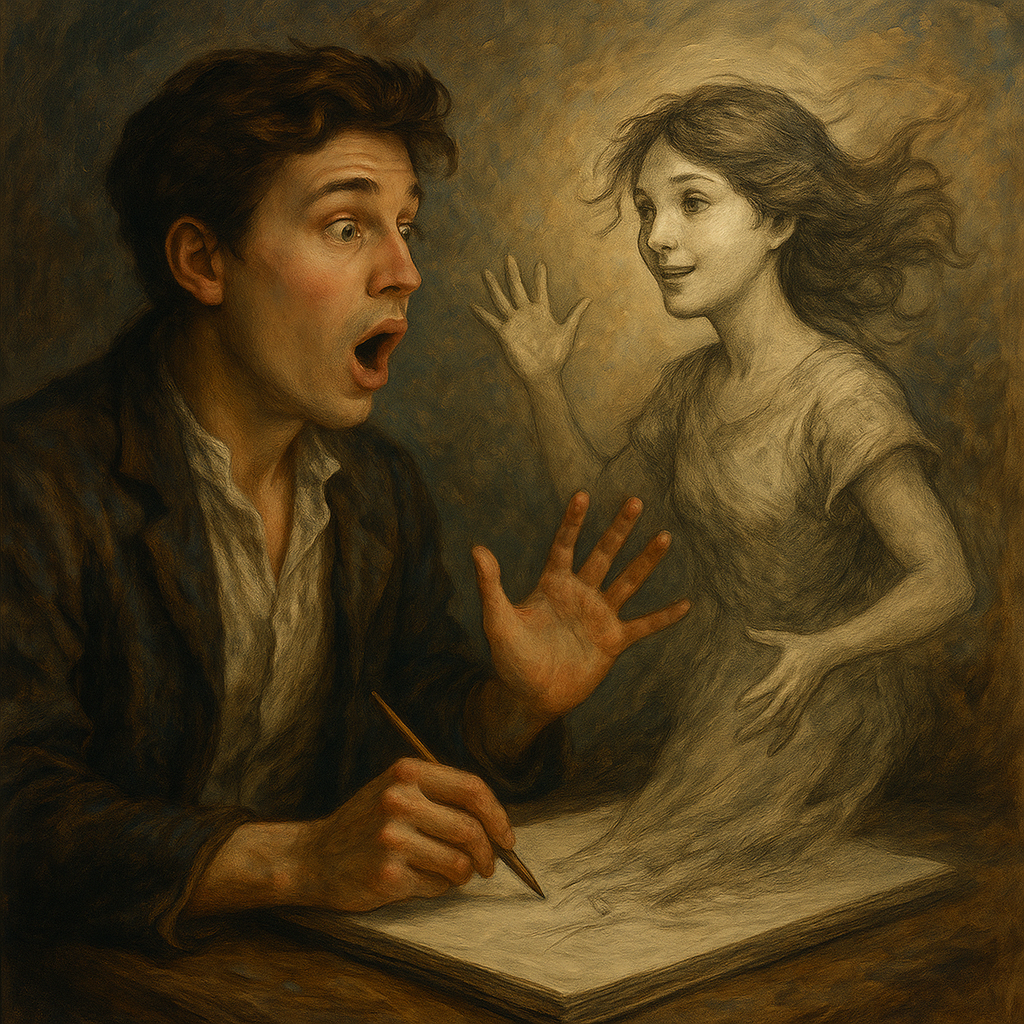
Can Art Really Come to Life?

Imagine a drawing so vivid it seems to breathe, leap, and dance off the page. Not just a clever illusion, but an artistic wonder that plays with your mind and emotions. This intriguing concept of art coming to life isn't just fantasy—it's a testament to the boundless power of imagination. Isaiah Dupree's "Slow Morning" video captures this magical moment perfectly, compelling us to rethink the static nature of art and its very essence.
The Magic of Imagination
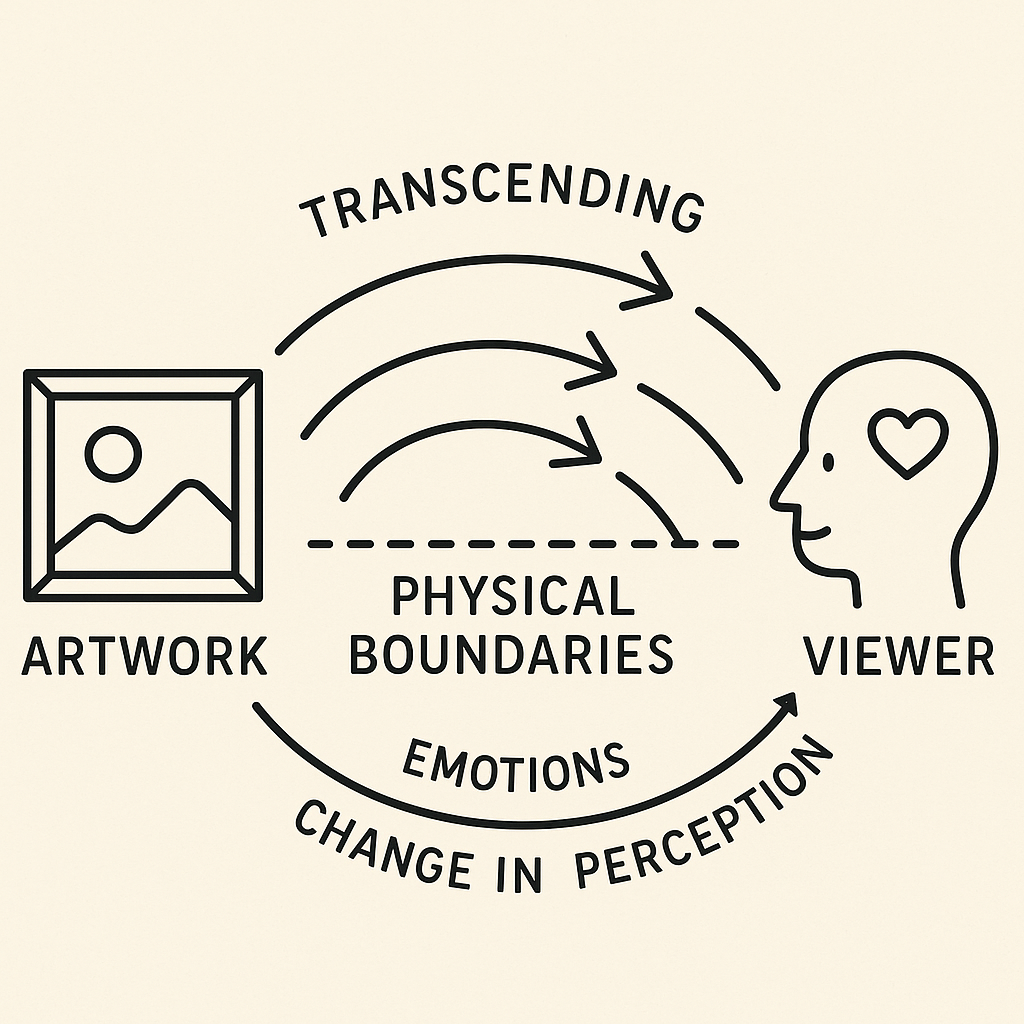
Art possesses a unique charm: it can transcend its physical boundaries, evoking emotions that transform your perception of reality. This isn't just about pretty pictures; it's about art becoming an experience that leaves you both astonished and joyful. The raw emotional response—those exclamatory "wow" moments—underscores how creativity can ignite a spark within us, making artwork feel intensely personal and alive.
Art's Transformative Impact
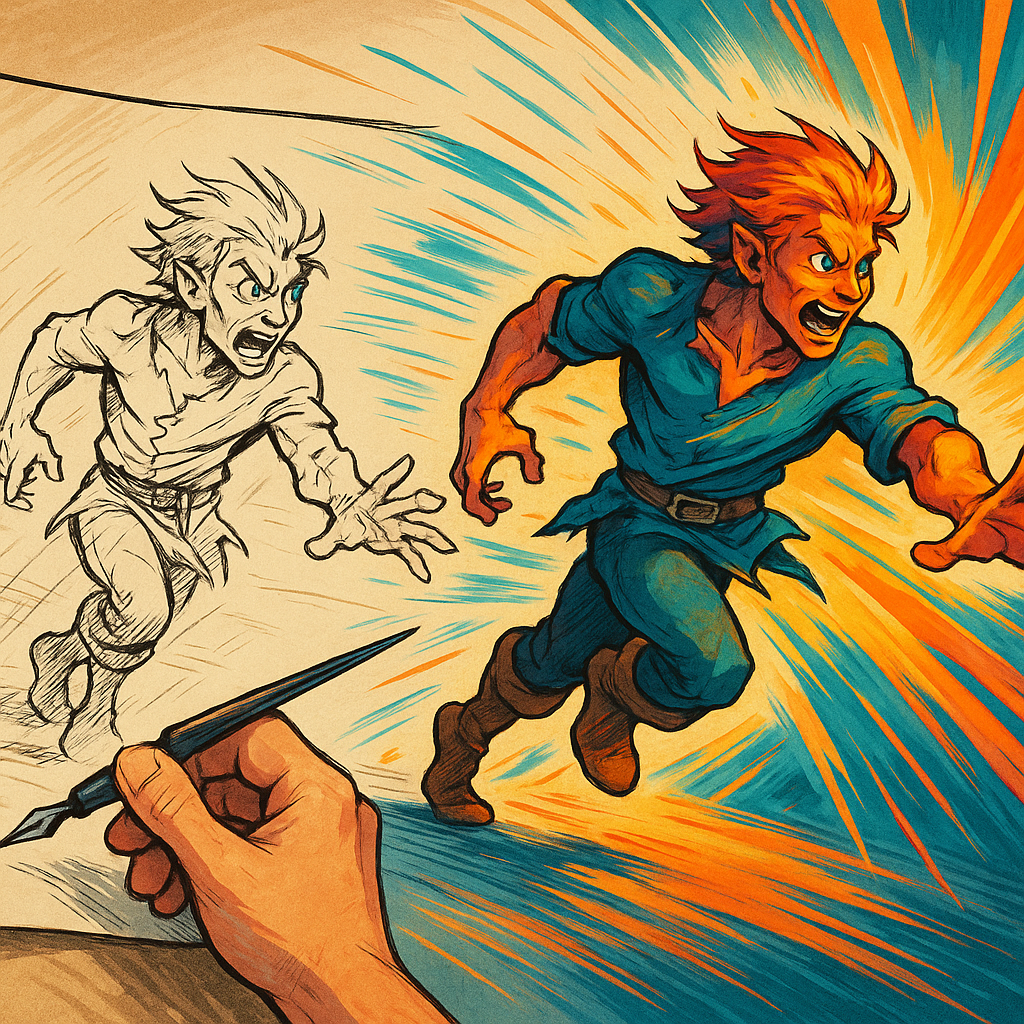
Isaiah Dupree's creation invites us to explore the idea of a living drawing, sparking a curiosity that's hard to ignore. How does art shift from mere ink and paper to a dynamic force that touches your soul? This dynamic relationship between artist and creation challenges us to consider art as a narrative or energy that resonates personally. In this light, every piece becomes a living entity with its own story to tell.
Unpacking the Suspense
The suspense within Dupree's work isn't just about visual flair. It's about the creative process that leads us to question and delve deeper into the implications of animated art. Such artwork prompts viewers to wonder about the unseen life force that runs through it, inviting a generous dose of magical realism into the fold.
Conclusion
Embracing magical realism, Dupree's art celebrates the potential of creative expression to surprise and inspire us. By making art appear alive, it invites us to marvel at the fundamental wonders of artistic creation. This exploration of the artist's imagination showcases not just a drawing but a piece of human ingenuity that resonates with audiences everywhere.