Can AI help you build a business empire with zero employees? JP Middleton believes it can. Over seven and a half years, he's accumulated $25 million in revenue using just AI solutions, and he's set to reveal how you can replicate this success.
TL;DR
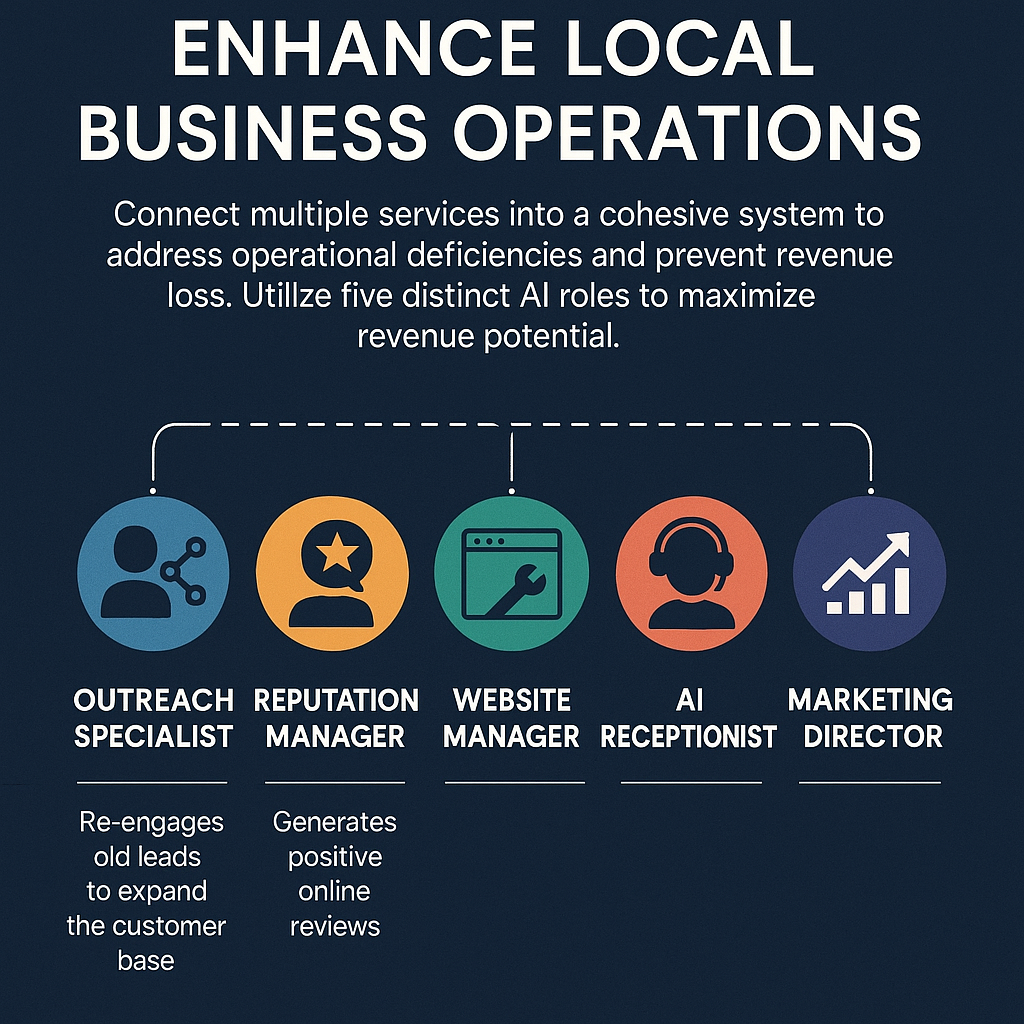
JP Middleton introduces a business model using five AI roles to create a comprehensive service that plugs multiple operational holes in local businesses, enhancing their revenue potential. This holistic strategy, tested and proven by Dupree's own success, offers a scalable and effective system for increasing business profitability.
The Problem
Many businesses are treated like buckets with holes, leaking money due to inefficiencies across various operations. Most entrepreneurs tackle a single issue, which only plugs one hole, leaving other areas vulnerable. This approach limits the effectiveness of their solutions and the revenue they can generate. Businesses need an interconnected system that addresses multiple problem areas to maximize efficiency and profit.
The Strategy
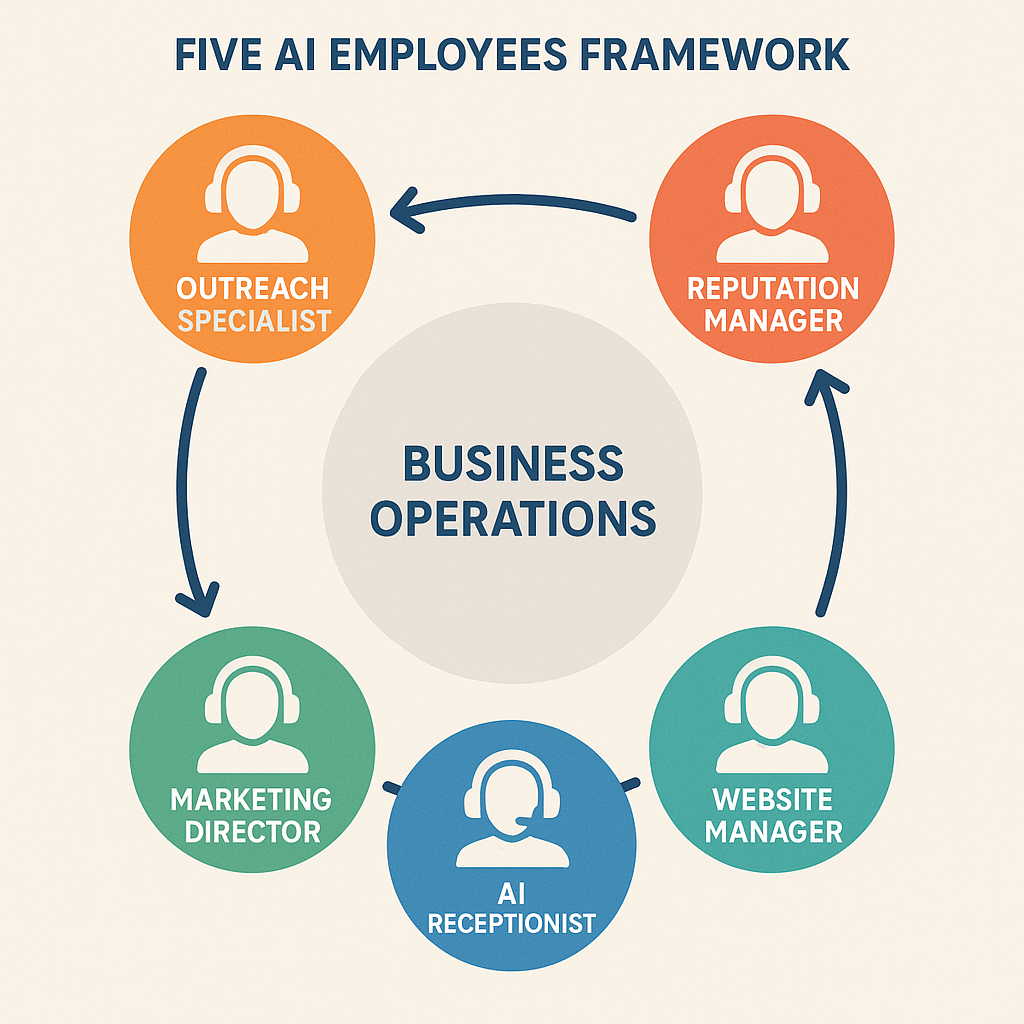
The strategy, known as the Five AI Employees Framework, is a holistic approach to solving business problems by implementing five AI-driven roles that function smoothly to manage different aspects of a business, from customer engagement to marketing. The model aims to plug all operational "holes," ensuring businesses not only retain but enhance their revenue streams.
How It Works (Step by Step)
Database Reactivation
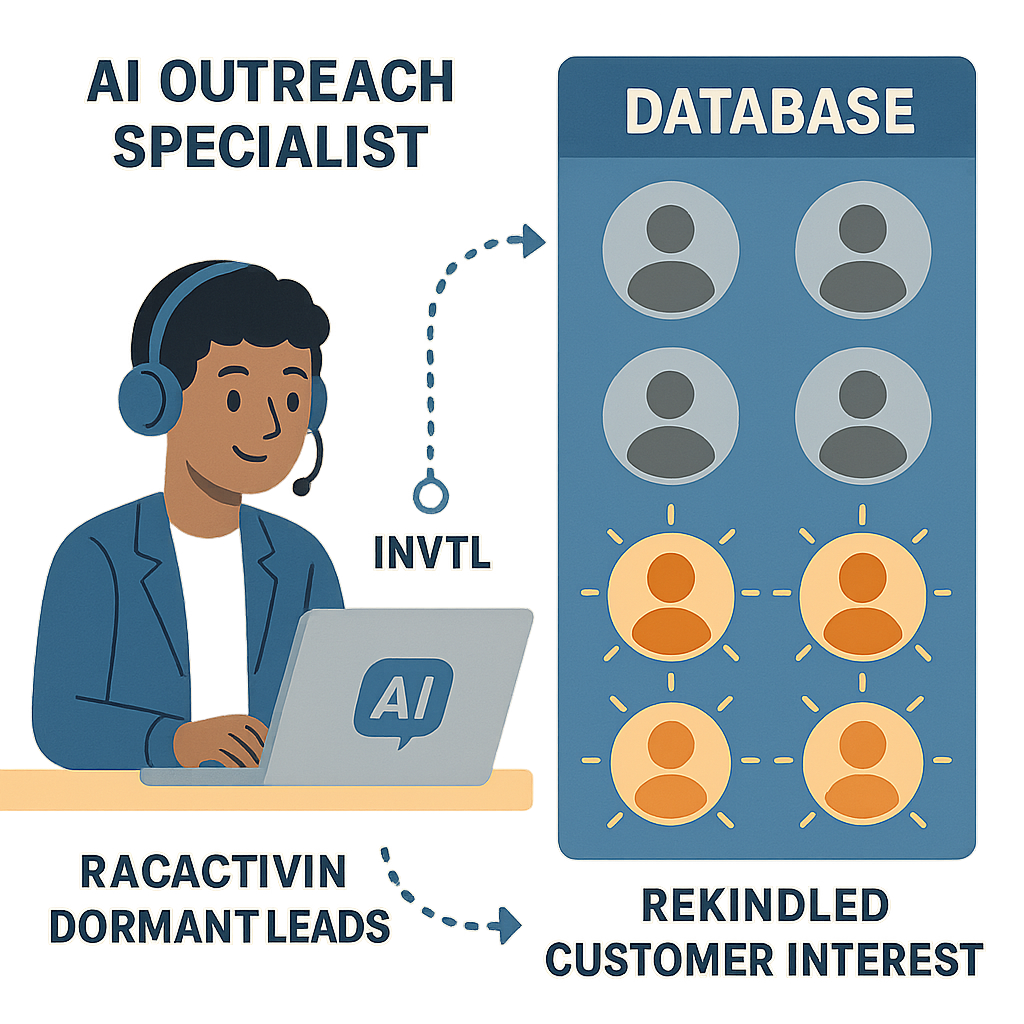
Led by the AI Outreach Specialist, this step focuses on re-engaging dormant leads. Businesses often neglect potential customers they have previously attracted. By reaching out, the AI employee rekindles interest, increasing the customer base significantly.
Reputation Management
The AI Reputation Manager consistently solicits and manages Google reviews. Most businesses fail to proactively seek reviews, which are critical for SEO and generating referrals. This role boosts Google rankings, drawing more organic traffic and potential clients.
Website Management
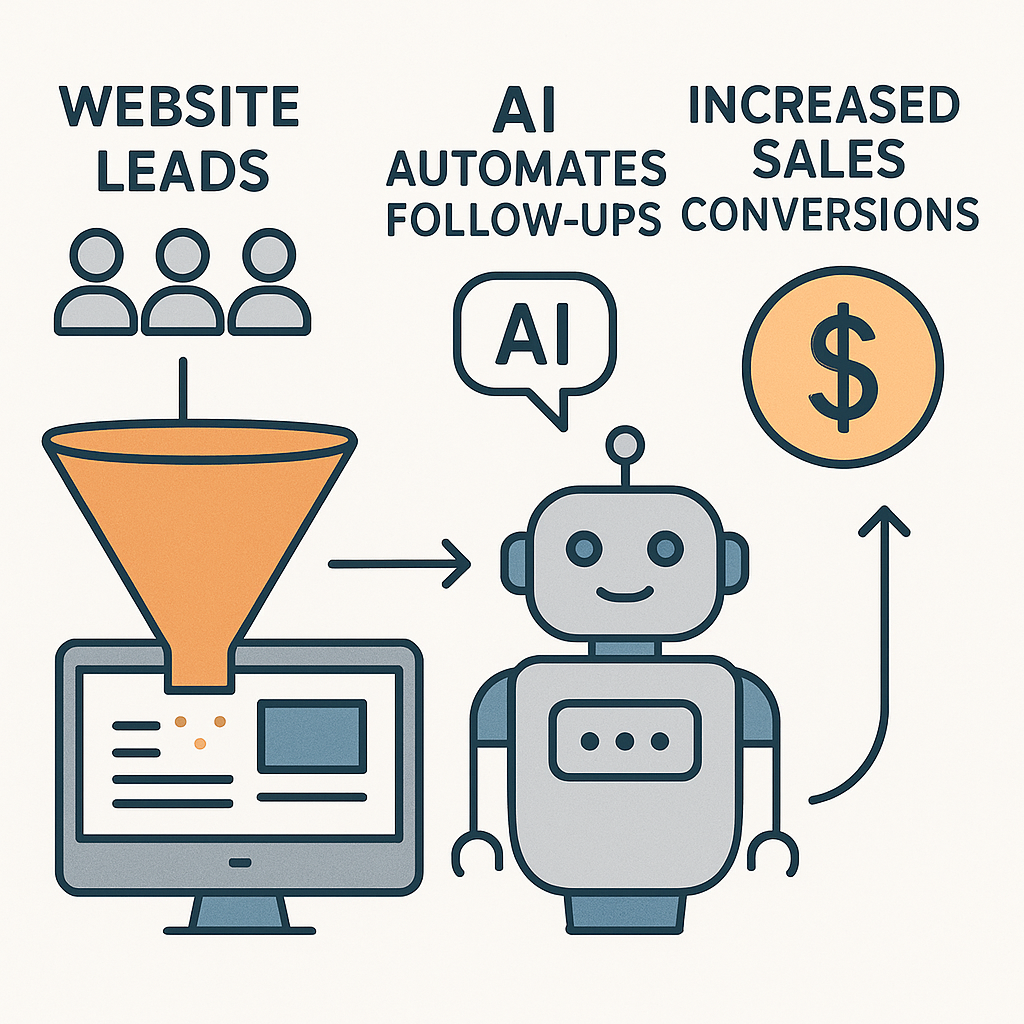
An AI Website Manager ensures prompt follow-up with leads generated from the business's website. Quick responses are crucial for converting leads into sales, and this AI role automates that task, optimizing the lead conversion rate.
AI Receptionist Duties
The AI Receptionist tackles the issue of missed calls by following up and ensuring all inquiries receive the attention they deserve. This fosters better customer relationships and increases the chance of converting leads into loyal clients.
Marketing Direction
The AI Marketing Director strategizes and optimizes paid advertisement campaigns. By analyzing successful advertising strategies and incorporating them, this role guarantees a better return on investment for every advertising dollar spent.
Examples from the Source
"Seven and a half years ago, I started an AI business without any employees. I didn’t have a team of developers or marketing experts. It was just me. Today, that business has made me over $25 million.", JP Middleton
Using the Five AI Employees system, Isaiah generated over $25 million in revenue with his agency, Gym Members Now. His business was valued over $5 million, emphasizing the effectiveness of a comprehensive AI-driven approach.
Common Pitfalls
- Focusing narrowly on a single problem, leaving other issues unresolved.
- Over-relying on individual AI solutions without integrating them into a cohesive system.
- Neglecting the reengagement of previous leads, resulting in a loss of potential clientele.
- Lack of active Google review management, which hampers organic growth and referrals.
- Poor follow-up practices, particularly regarding missed calls and lead inquiries.
Action Checklist
- Assess current business “holes” to identify which parts can benefit from AI intervention.
- Integrate the Five AI Employees Framework to ensure a holistic operational strategy.
- Utilize the Outreach Specialist role to reactivate past leads and expand your customer base.
- Build a system for consistent reputation management to drive up Google rankings and referrals.
- Incorporate immediate follow-up processes using a Website Manager to boost conversion rates.
- Ensure all customer inquiries are attended to with an AI Receptionist.
- Analyze successful marketing strategies and adapt your campaigns through the Marketing Director role.
- Monitor and review the impact of these AI solutions regularly to refine their effectiveness.
Watch the Full Video
Want more like this?
The full archive of strategy + AI articles lives at strategythread.app, curated weekly, no fluff.