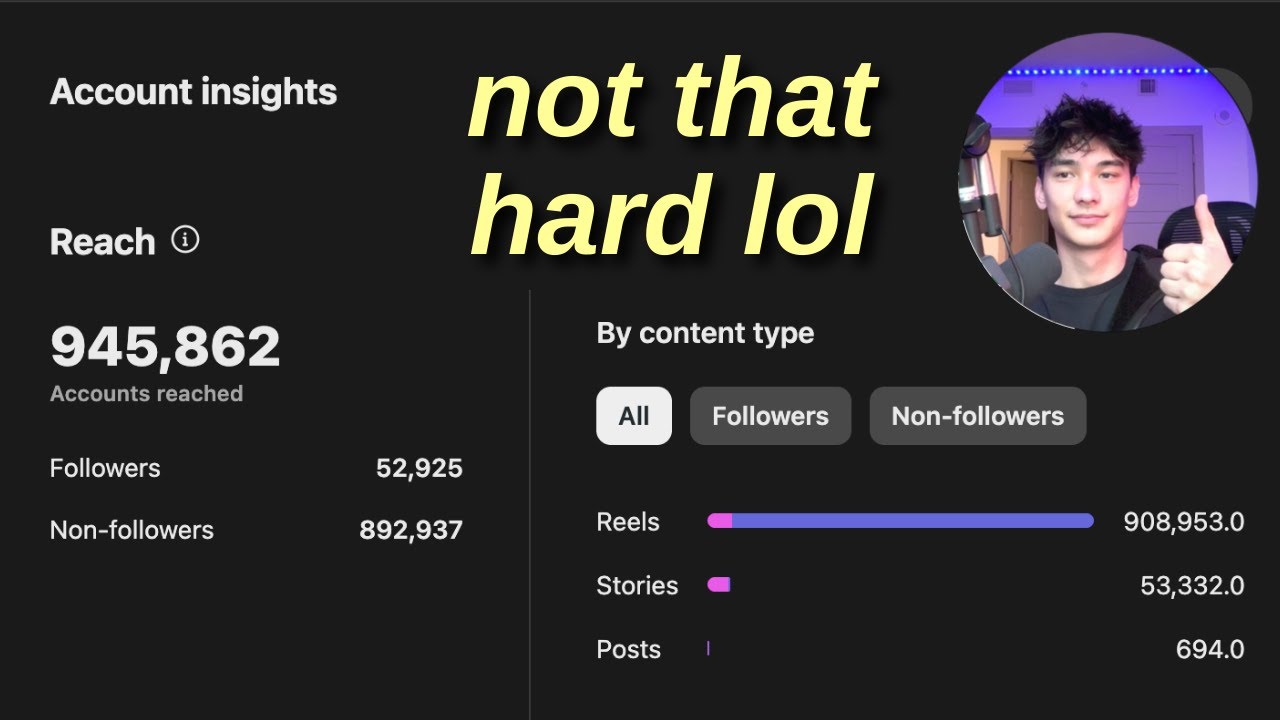
Valuable Insights on Becoming a Content Creator

In his insightful video titled "Regular Guy Explains How to Become an Influencer", Jason Cooperson shares vital information for aspiring content creators. Below are the key points derived from the video's transcription that can help guide anyone looking to embark on this exciting journey.
Key Points:
- Content Creation Potential: The speaker transitioned from college to becoming a content creator, successfully earning over $103,000 in 2024. They emphasize that making a full-time income in this field is possible.
- Reality of Income: Unlike many flashy creators, the speaker shares transparent income details and expenses, highlighting the reality of content creation.
- Niche Selection: A critical first step in becoming a content creator is choosing a niche that aligns with personal interests and is profitable.
- Monetization Strategies: The speaker outlines several ways to monetize content, including high-ticket coaching, affiliate marketing, and ad revenue.
Insights:
- Authenticity: The speaker argues that many existing resources fail to provide genuine insights into the content creation journey, which includes hardships and challenges.
- Value of Passion: Success in content creation involves pursuing something one genuinely enjoys to avoid burnout and maintain long-term engagement.
- Market Research: Validating niche profitability by analyzing existing creators within that space is crucial for determining potential earnings.
Actionable Advice:
- Pick Your Niche: Make a list of interests and hobbies to identify what niche resonates with you for content creation, considering both enjoyment and market profitability.
- Evaluate Monetization Options: Focus on how to monetize effectively through coaching, courses, affiliate partnerships, or ad revenue. Starting with simple affiliate marketing is recommended.
- Participate in a Community: Engage with communities that provide support and resources for aspiring content creators, as mentioned by the speaker's offer of a free course.
Supporting Details:
- The speaker stresses the importance of choosing a niche in profitable areas such as finance, business, personal development, and tech, as they tend to attract higher-paying clients.
- Examples of successful niches include snowboarding, where content creators earn through affiliate commissions from brand partnerships.
- The speaker distinguishes between different income sources, noting that ad revenue should not be the primary focus for full-time income.
Personal Reflections:
The speaker's journey resonates with many who aspire to break free from traditional careers to pursue their passions. Their transparent approach and emphasis on long-term dedication serve as encouragement for those hesitant to start in content creation. The importance of community support and networking in the content creator journey is pivotal for success and growth.
Conclusion:
These insights encapsulate the key messages from the video, providing a structured pathway for aspiring content creators to follow for both understanding and practical application. For a deeper dive, check out Jason's full video below:
Join us on our learning journey, and don't forget to connect with me on social media for more insights: