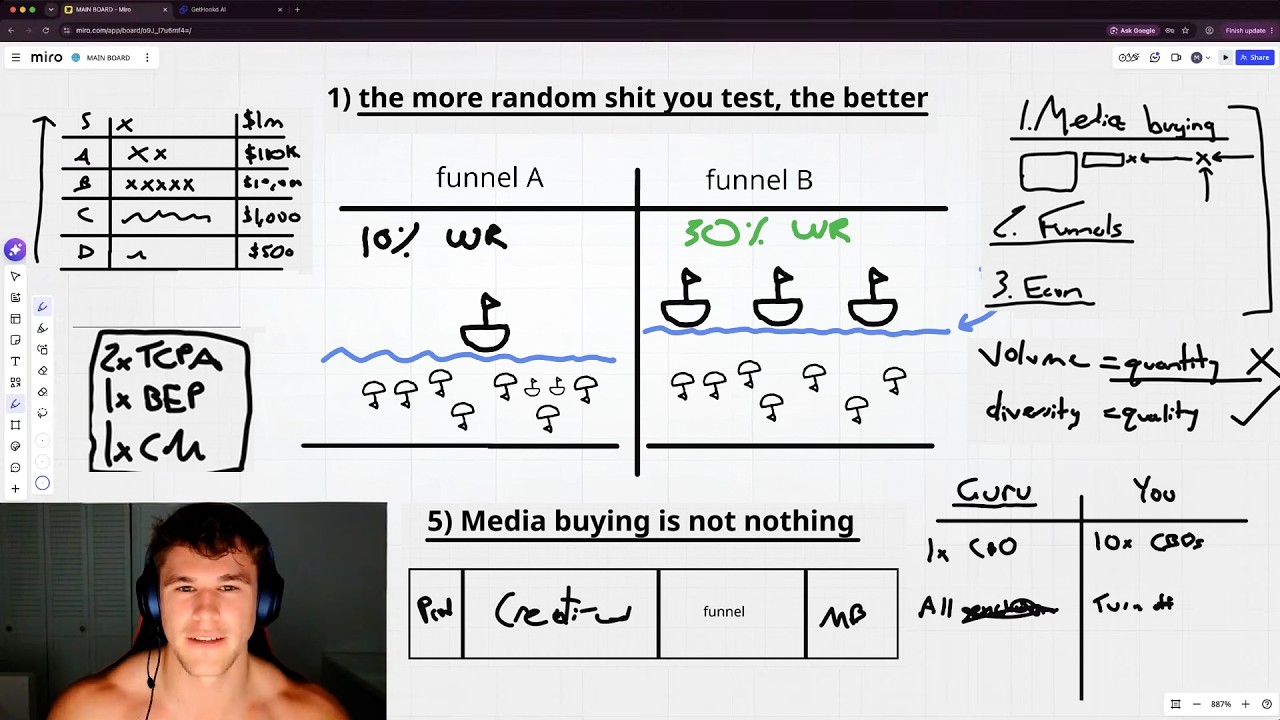
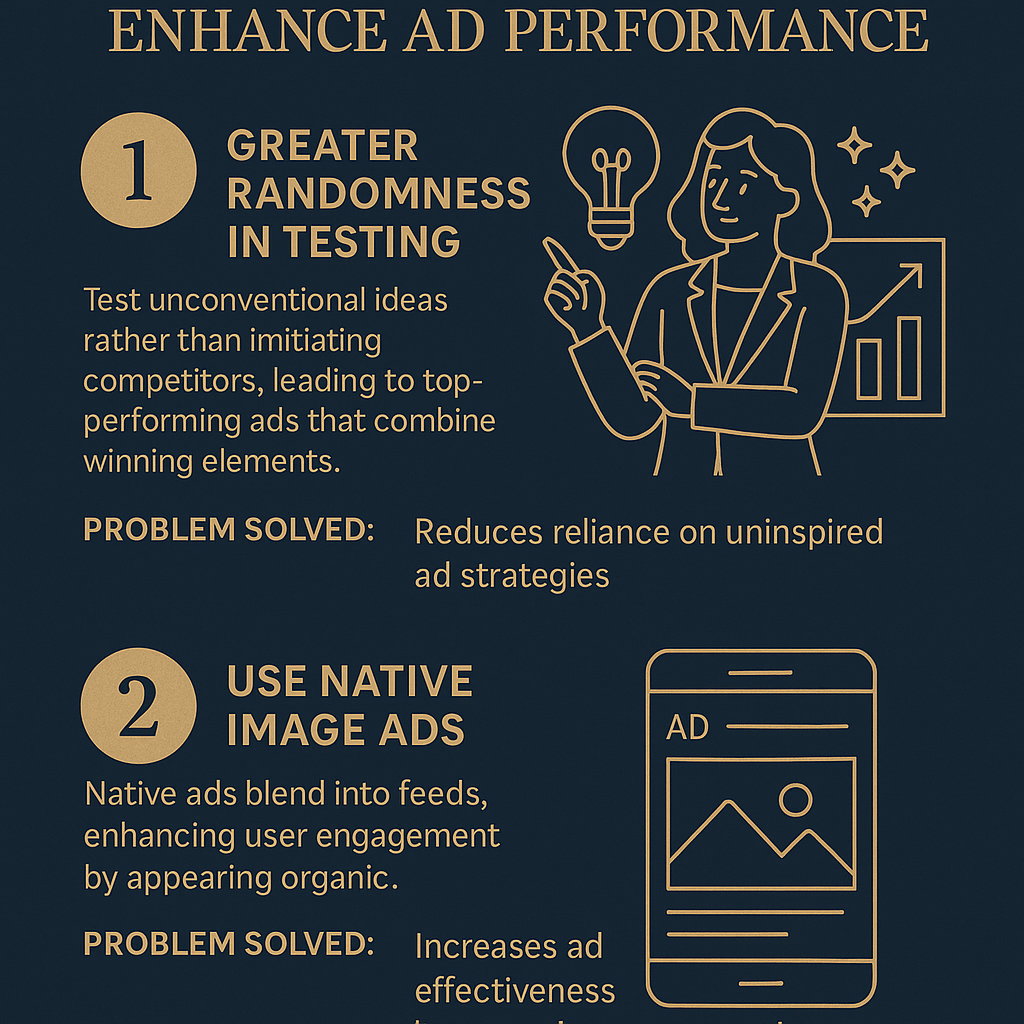
Are you tired of lackluster advertising results? The key to open uping the potential of your ads may lie in testing randomness and creativity. In his recent video, Mark Builds Brands Highlights dives into his impressive experience of testing 1,352 ads in just 30 days, revealing how the Meta Ads algorithm works and sharing valuable insights that can reshape your advertising strategy.
TL;DR
Mark Builds Brands Highlights's experimentation with over 1,300 ads highlights the importance of testing unconventional ideas, leveraging native images, and focusing on diverse creatives. Rather than conforming to traditional ad practices, cultivating originality and strategic spending can enhance your campaigns' effectiveness and longevity.
The Problem
In the competitive digital advertising landscape, many marketers fall into the trap of imitating their competitors, resulting in a plethora of uninspired ads. This approach often leads to stagnation in creativity, which fails to engage the target audience effectively. Furthermore, focusing excessively on metrics like return on ad spend (ROAS) can obscure the importance of building long-term customer relationships. Isaiah’s experience aims to address these common pitfalls by encouraging marketers to embrace innovation and prioritize holistic ad strategies.
The Strategy
Dupree’s strategy revolves around a pioneering approach to ad testing that encourages greater randomness and creative diversity. The rationale behind this method is two-fold: it helps identify unique, high-performing ad elements and minimizes the reliance on outdated or overused strategies. By fostering an environment of experimentation, advertisers can unearth truly engaging content that resonates with their audience. Below are key components of this strategy:
How It Works (Step by Step)
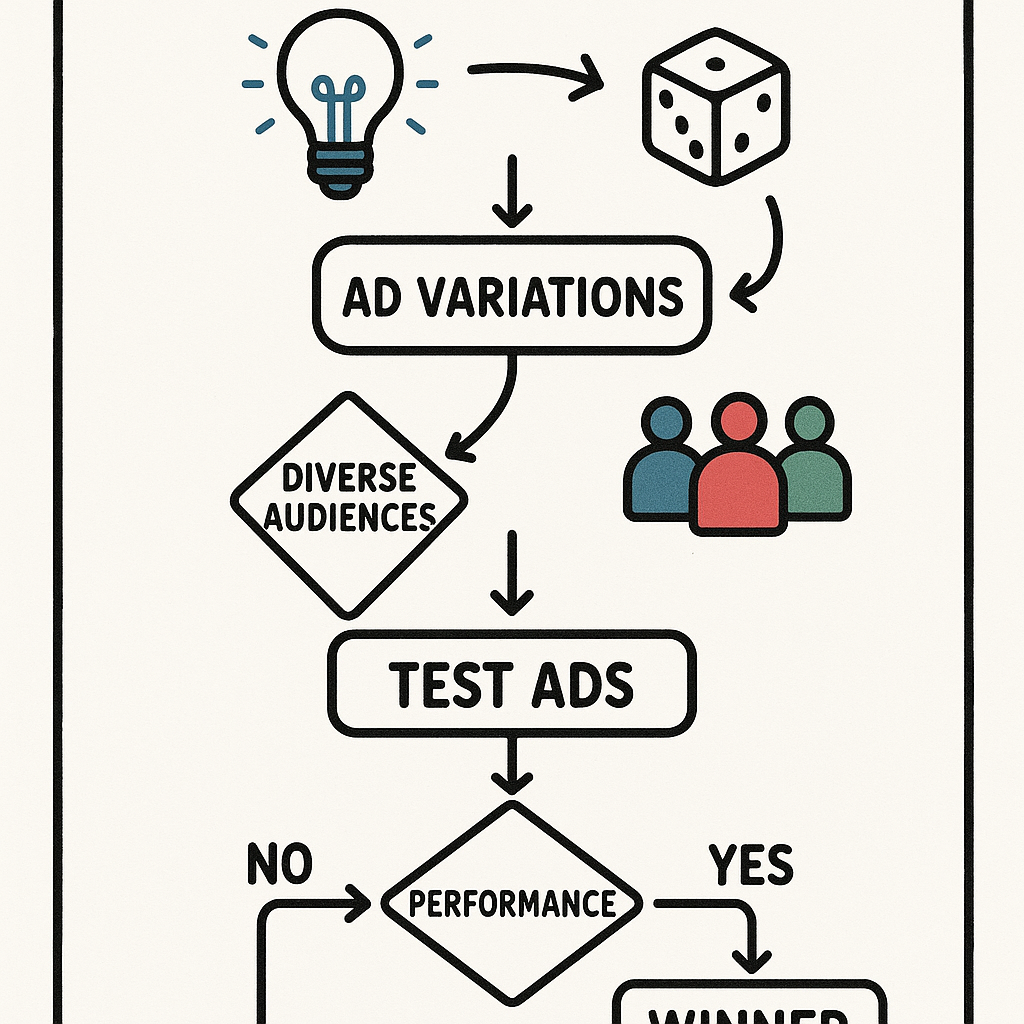
1. Greater Randomness in Testing
- Incorporate unconventional and original ideas into your ad campaigns.
- Mix and match elements from various creatives that perform well.
- Avoid the monotony of copying competitors.
2. Use Native Image Ads
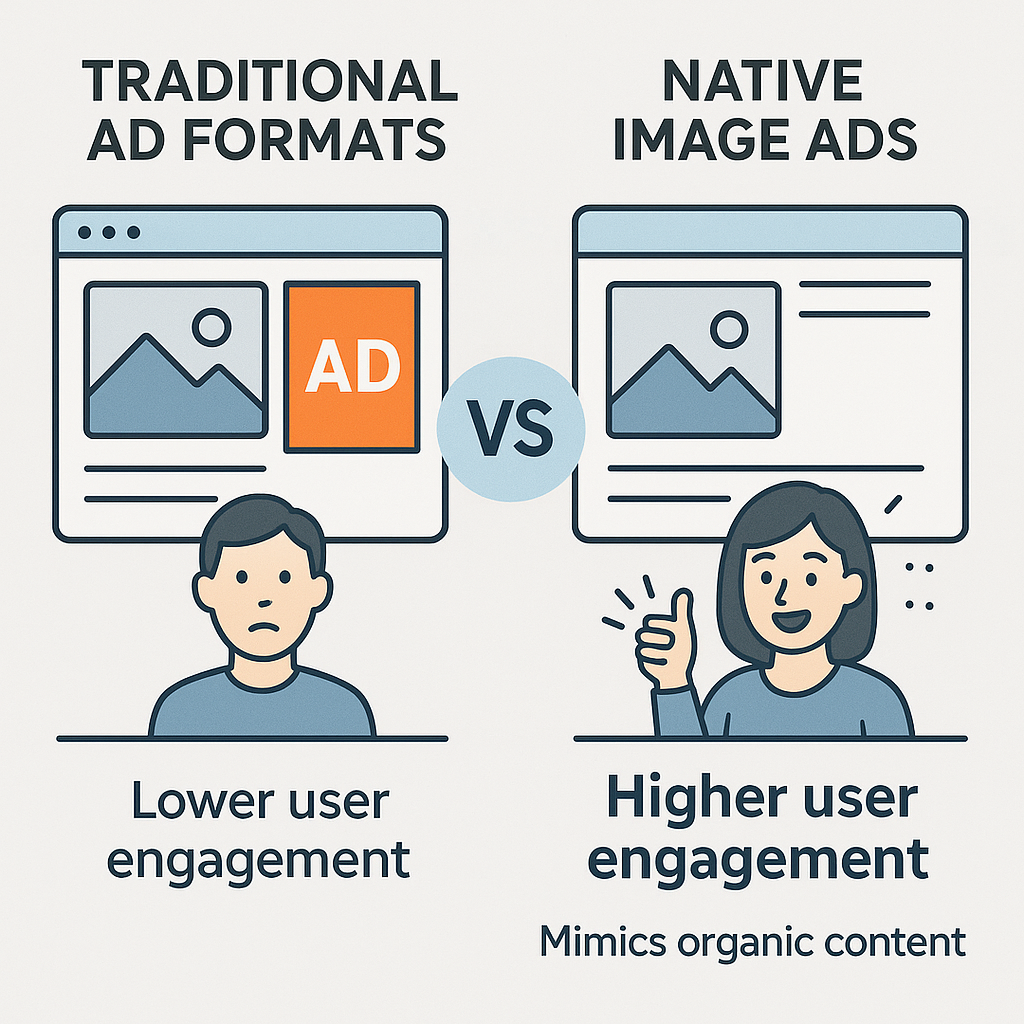
- Create ads that mimic organic content to enhance user engagement.
- Avoid traditional ad formats that disrupt the browsing experience.
3. Engage in "Doom Scrolling"
- Utilize burner accounts on platforms like Facebook and Instagram.
- Follow pages that resonate with your target audience and partake in organic content exploration.
- Identify trends and successful content strategies for ad inspiration.
4. Replicate Successful Organic Content
- Track organic posts that resonate with your audience.
- Infuse proven concepts into your ad campaigns.
5. Contrarian Approach to Expert Advice
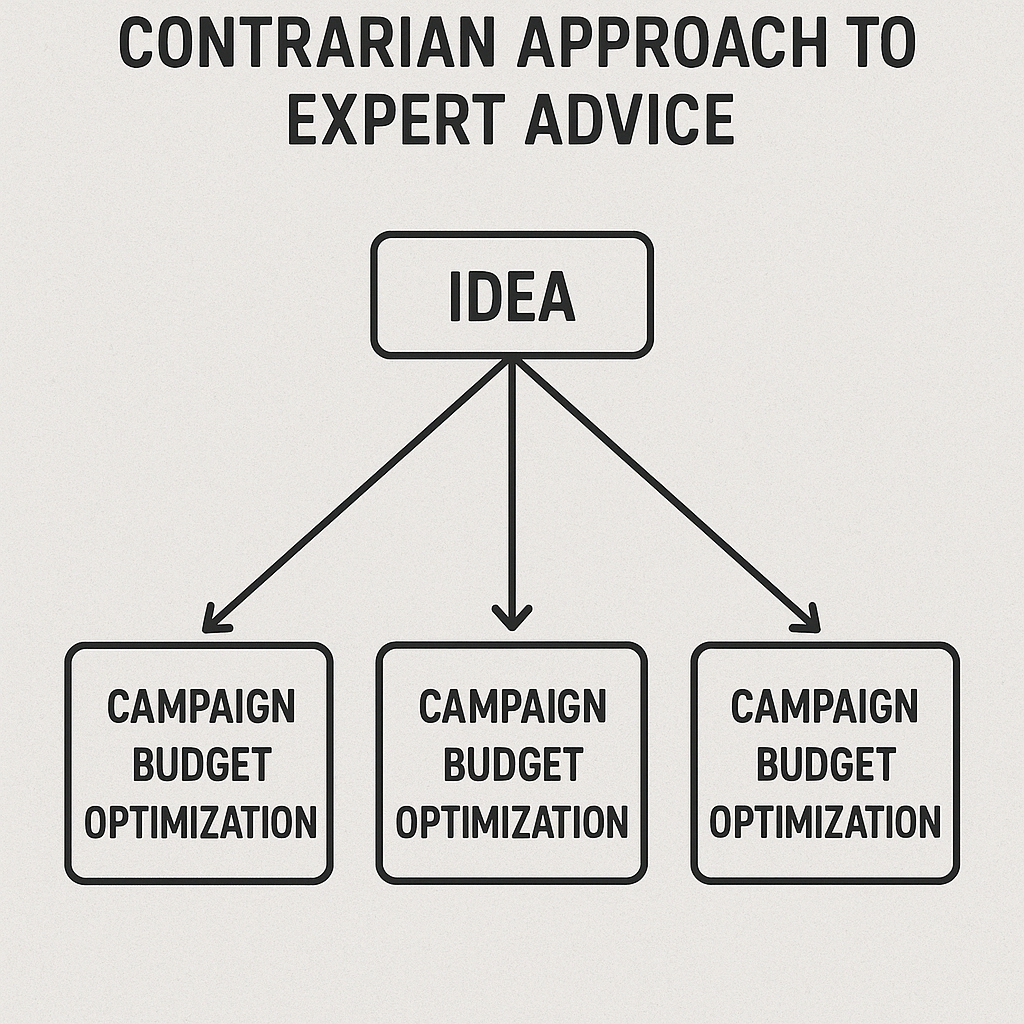
- Deliberately diverge from traditional expert recommendations.
- For example, launch multiple Campaign Budget Optimizations (CBOs) instead of relying on a single one.
6. Explore Old Internet Marketing Forums
- Revisit discussions from early online marketing days for timeless strategies.
- Apply relevant insights that may be overlooked in contemporary discussions.
7. Focus on Creative Diversity Over Volume
- Prioritize the diversity of creatives rather than mere quantity.
- Strategically increase ad spending for maximum impact.
8. Analyze Overall Ad Spend vs. ROAS
- Shift focus from short-term profit margins to long-term customer lifetime value (LTV).
- Understand that brands with higher ad spends often outperform those with mere focus on ROAS.
9. Monthly Creative Testing
- Commit to testing new creatives each month to keep content relevant.
- Maintain focus on diverse strategies to adapt to evolving audience preferences.
Examples from the Source
"I've tested 1,513 ads in the last 30 days and I want to share some lessons that can help you run more profitable ads." - Mark Builds Brands Highlights
"The more random elements you test, the better your results are likely to be." - Mark Builds Brands Highlights
"It's crucial to think beyond conventional strategies; you need to focus on testing formats that look native and unpolished." - Mark Builds Brands Highlights
"Many of you probably have burner accounts on platforms like Facebook or Instagram. You can use these accounts to ... engage in 'doom scrolling.'" - Mark Builds Brands Highlights
"The key indicator of a brand’s success often comes down to how much they spend on ads, rather than focusing solely on metrics like return on ad spend (ROAS)." - Mark Builds Brands Highlights
"Creative diversity is more important than just sheer creative volume." - Mark Builds Brands Highlights
Common Pitfalls
Advertisers often misunderstand the following points:
- Sticking to obvious competitors’ strategies limits creativity and prevents the identification of unique ad elements.
- Overemphasizing ROAS can lead to neglect of customer lifetime value and engagement.
- Failing to test a variety of creative formats can stagnate ad performance.
- Ignoring insights from less common sources, such as vintage marketing forums, might cause you to miss valuable strategies.
Action Checklist
- Set aside time for monthly creative tests, implement at least one new idea per month.
- Create and engage with a burner account to explore organic content.
- Start experimenting with native image ads that mimic user-generated content.
- Review marketing forums from earlier internet days for overlooked techniques.
- Launch multiple CBOs to assess their effectiveness against expert recommendations.
- Focus on maintaining creative diversity instead of merely increasing ad volume.
- Analyze overall ad spend versus LTV regularly to guide your advertising strategies.
Watch the Full Video
For a comprehensive understanding and further insights, watch the full video here.
Want more like this?
The full archive of strategy + AI articles lives at strategythread.app, curated weekly, no fluff.