
How to Train Your Voice AI Agent on Company Knowledge
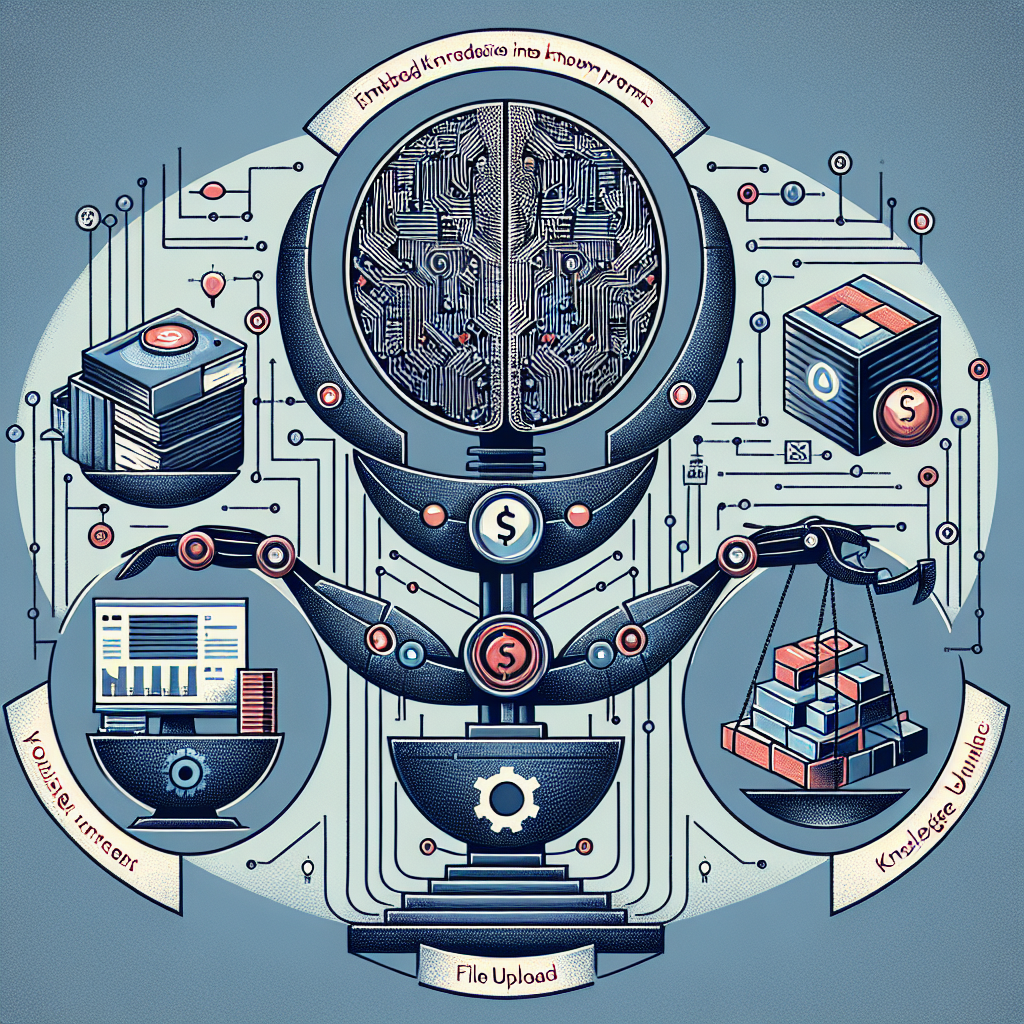
In the world of voice AI, effective knowledge integration is key to delivering exceptional user experiences. In this post, we will explore valuable insights from the YouTube tutorial "How to Train Your Voice AI Agent on Company Knowledge (Vapi Tutorial)" presented by Jannis Moore | AI Automation. We'll discuss methods of knowledge integration, actionable advice for businesses, and considerations for optimizing voice AI performance.
Key Points
- Embedding Knowledge in the System Prompt:
- Involves integrating a smaller knowledge base into the AI's system prompt.
- Pros: Simple implementation.
- Cons: Can lead to maintenance issues and unwanted suggestions.
- File-Based Knowledge Integration:
- Knowledge is uploaded as a file linked to the assistant.
- Pros: Centralized information storage.
- Cons: May increase costs and response times due to information overload.
- Tool-Based Knowledge Retrieval:
- Dynamic approach where the AI retrieves knowledge using specific tools.
- Pros: Optimizes performance by fetching relevant information as needed.
- Recommendation: Most effective and beginner-friendly approach.
Insights
- Importance of Method Selection: Choosing the right integration method is crucial for effective voice AI performance, with tool-based retrieval being the most efficient.
- Cost and Performance Management: Balance integration methods against operational costs and response times for a seamless user experience.
- Community Engagement: Joining a voice AI community can provide support and professional development opportunities.
Actionable Advice
- Choose Tool-Based Retrieval: This adaptive method improves over time without overwhelming the AI with unnecessary data.
- Regularly Update the Knowledge Base: Ensure ongoing accuracy of the AI's responses by updating the information regularly.
- Monitor AI Responses: Continuously evaluate outputs to address any issues related to hallucinations or irrelevant suggestions.
Supporting Details
- Challenges highlighted include confusion stemming from unnecessary information, emphasizing the significance of strategic knowledge management.
- External services may be utilized to enhance the complexity and customization of AI setups for advanced users.
Personal Reflections
The insights resonate with the trends of AI integration in business and the need for personalized solutions for user experience. Staying engaged in community learning emphasizes the importance of continual knowledge evolution in this fast-paced field.
Conclusion
By consolidating these insights, businesses utilizing voice AI can optimize their knowledge integration strategies for enhanced performance and user satisfaction. For those interested in delving further into this subject, check out the video tutorial linked above.
Join me on this journey of continuous learning! Follow my social media channels for more insights and updates:
Let’s connect!