
Valuable Insights from "How Vibecoding Unlocks AI feat. Riley Brown"
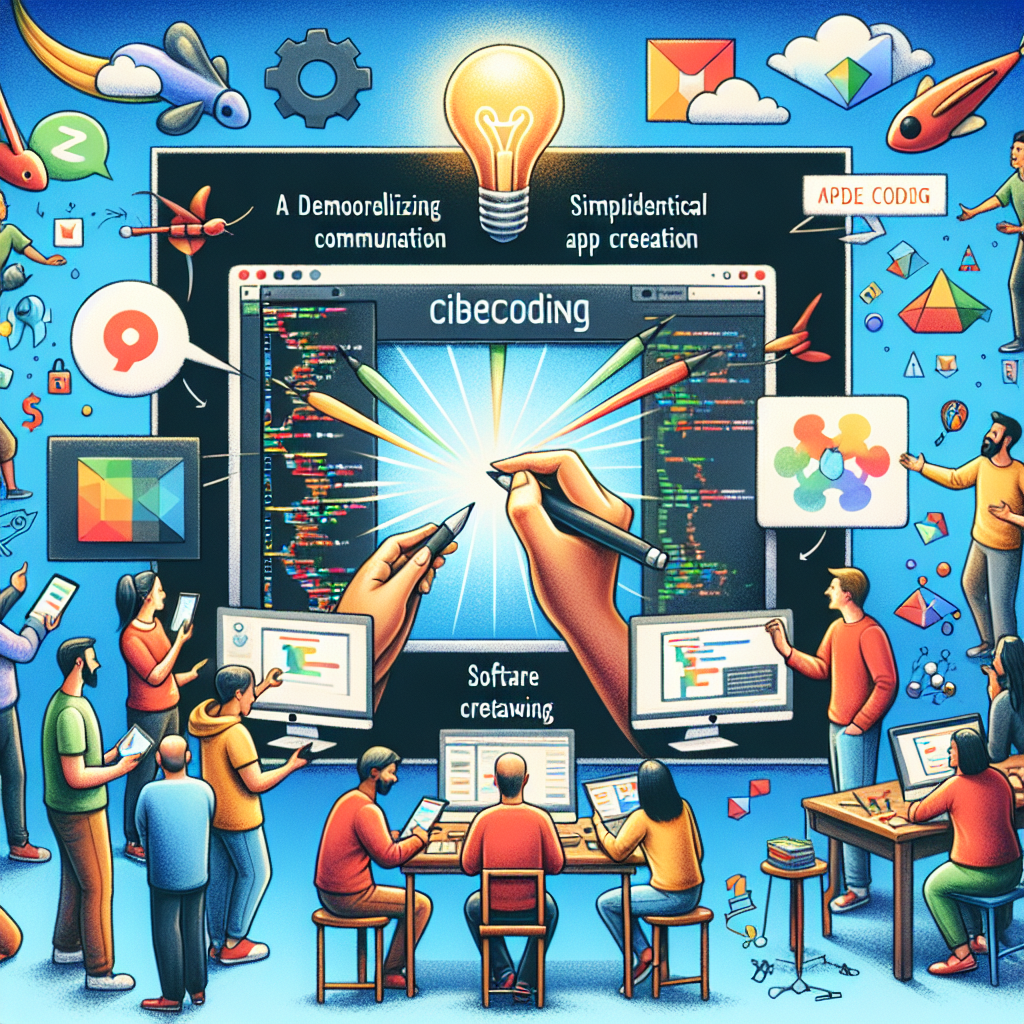
In an enlightening episode of "The AI Daily Brief," Riley Brown delves into the transformative world of Vibe Coding, a novel approach to software development empowered by AI. Here are some key insights that encapsulate the essence of this innovative methodology:
1. Concept of Vibe Coding
Vibe Coding is presented as a transformative approach to software development through AI, anticipated to become a prominent trend by 2025. It democratizes coding, making it more accessible to individuals without extensive technical backgrounds.
2. Riley Brown's Journey
Riley's transition from an AI content creator to a Vibecoder highlights the evolving landscape of technology and personal growth. His discovery of Vibe Coding, facilitated by tools like Claude Artifacts, showcases the innovative methodologies emerging in the software development sphere.
3. Community Building
Riley emphasizes the importance of community in the Vibe Coding journey. By fostering a collective space for sharing insights and projects, developers can support one another, leading to collective growth and shared resources.
4. Evolution of Development Tools
The shift from traditional coding practices to utilizing advanced tools such as Claude, Replet, and Cursor illustrates the increasing sophistication and intuitiveness of development environments, making app creation more straightforward and enjoyable.
5. Focus on Mobile and Web Apps
With the acknowledgment of mobile apps' complexity, Riley's focus on creating engaging experiences through Vibe Coding resonates with the current trends in software usage. The push for accessible tools means users can experiment without fear while creating functional applications.
6. Addressing Common Challenges
Recognizing the common barriers developers face, including authentication, databases, and payment systems, Riley argues for a future where Vibe Coding platforms can eliminate these hurdles, thus making app development more intuitive.
7. Vision for Accessibility
Riley's ambition is to create a Vibe Coding platform as accessible as Canva, where individuals can build applications end-to-end, from concept to execution, without needing programming expertise. This vision embodies the potential of AI to simplify complex tasks.
8. Encouragement for Experimentation
Riley's closing message advocates for fun and exploration in the learning process. He encourages new coders to start with small projects, reinforcing the importance of playfulness in mastering new skills and technologies.
9. Implications for the Future
The overarching theme suggests that as Vibe Coding evolves, it has the potential to revolutionize not just how apps are made, but also who can make them, widening the scope of creativity and innovation.
10. Personal Reflection and Growth
The insights shared prompt reflection on personal experiences with technology and growth. The idea that coding can be enjoyable and accessible challenges the traditional perception of software development as a daunting task, inviting a broader audience to participate in the digital landscape.
For a more in-depth understanding of Vibe Coding and its potential, check out the full discussion on YouTube:
Conclusion
The journey into Vibe Coding, as elucidated by Riley Brown, reveals a future where technology becomes increasingly user-friendly and creative expression is accessible to all. The call to innovate and enjoy the process resonates with both seasoned developers and newcomers alike.
Join us on this exciting learning journey by following our social media! Stay connected and be part of the growing TechMeStuff community: