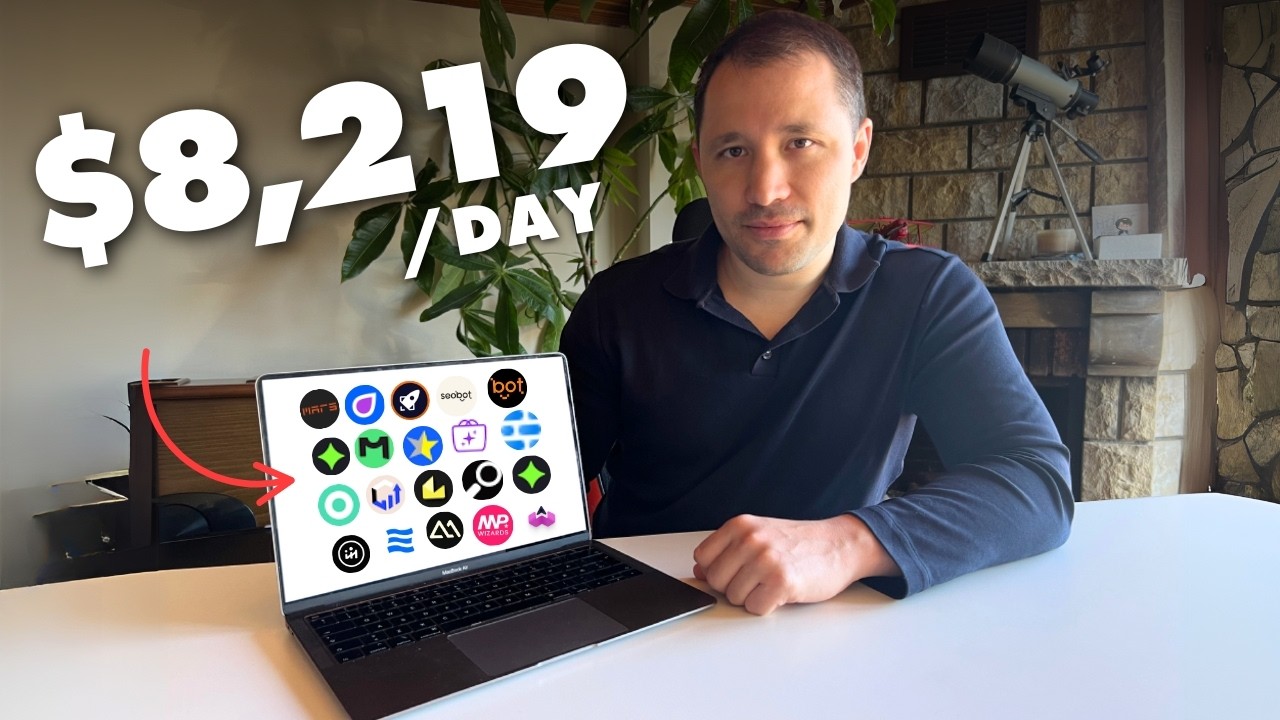
Insights from John Rush: A Solo Founder’s Journey

In the latest episode from Starter Story, we delve into the entrepreneurial journey of John Rush, a solo founder managing over 26 startups. His experiences and insights provide a roadmap for aspiring entrepreneurs, especially those interested in bootstrapping. Here are the valuable insights extracted from the transcript of the YouTube video featuring John Rush.
Key Points
- Career Shift: John Rush transitioned from a VC-backed startup environment to bootstrapping his own app projects, emphasizing hands-on user engagement and product development.
- Portfolio Overview: He currently runs 26 startups with about 1 million users, generating around $3 million in annual recurring revenue. Notably, Unicorn Platform is his most successful app, aiding founders in building landing pages and directories.
- Ideation Process:
- Identifying Pain Points: Rush begins by addressing personal frustrations at work, validating these by engaging with the community to see if others share similar issues.
- Pre-Sales Strategy: He employs a method of offering pre-sales discounts to gauge interest, checking if there’s enough market demand before developing a product fully.
- Co-Maker Strategy: Finding a co-developer involves building relationships with other makers over time, sharing responsibilities evenly (50/50) once a validated product idea is ready for development.
- Marketing Techniques:
- Product-Driven Marketing: Emphasizes that a good product should naturally drive sales through word of mouth.
- SEO and Social Media: Utilizes traditional marketing methods initially, focusing on SEO, repurposing content across platforms, and engaging audiences on social media.
- Cross-Promotion: Leverages his apps for cross-marketing, giving users pathways from one product to another, enhancing overall engagement.
Insights
- Bootstrapping vs. VC: In a VC world, the focus is on exits and growth metrics; whereas, in bootstrapping, the priority shifts to profitability and sustainable product-led growth.
- User-Centric Development: Iterative development based on user feedback is crucial, especially before building out complex products. This reduces the risk of building unwanted features.
- AI Utilization: Rush integrates AI tools extensively for coding, design, marketing, and operations to streamline processes and boost efficiency, reserving human interaction for customer support to maintain a personal touch.
Actionable Advice
- Idea Validation: Begin with a personal pain point. Engage online to find others with similar challenges. Launch a waitlist to assess interest before investing in product development.
- Building Partnerships: Develop genuine relationships with potential co-makers. Share equity and responsibilities to attract quality partners.
- Marketing Strategy: Start with basic marketing methods and build a solid product foundation before scaling. Use cross-promotion to enhance user retention across different apps.
Supporting Details
- Example of Success: Unicorn Platform, which has amassed 600,000 users, demonstrates effective problem-solving for a targeted user base.
- Cost Management: Rush discusses the financial dynamics of AI tools, highlighting the importance of managing operational costs through automation while maintaining human-centric customer support.
Personal Reflections
John’s journey reflects the shift in focus from funding and external validation to building products that genuinely solve user needs. His lifestyle, characterized by time spent in nature and a structured work-life balance, showcases how a focused approach can yield both professional success and personal satisfaction.
Conclusion
In summary, John Rush’s approach blends user-driven ideation, strategic co-development, and innovative marketing practices while leveraging technology to enhance productivity and maintain a clear focus on solving real user problems.
For a deeper dive into John Rush's insights, check out the full video here:
Join me on this learning journey and stay connected for more insights!
Follow me on social media: