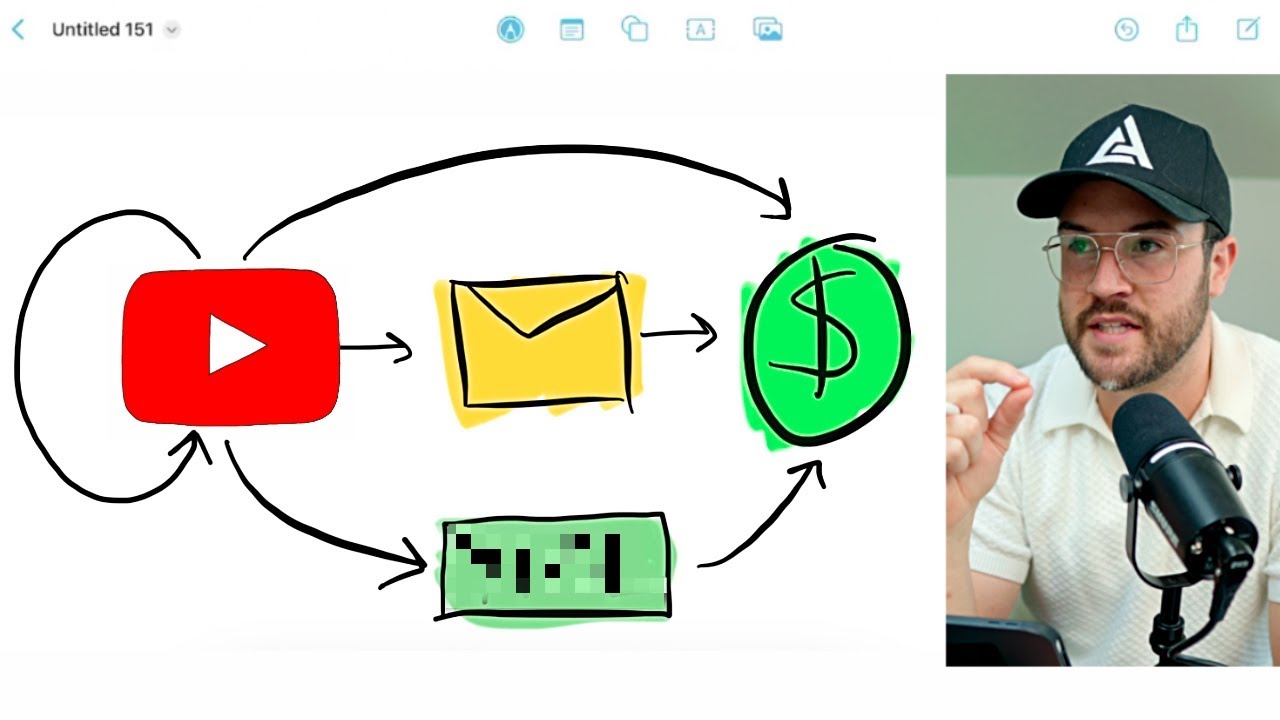
Valuable Insights from the YouTube Sales Machine

In the world of digital marketing, YouTube has emerged as a powerful tool for personal branding and revenue generation. Drawing from Nolan Molt's insightful discussion in the video "How my business makes $350K/yr posting simple videos," we will explore key takeaways and actionable advice for leveraging this platform effectively.
Key Points
- YouTube as a Sales Tool: Leverage YouTube to grow a personal brand and generate significant income (6 to 7 figures) by building an audience that knows and trusts the creator.
- Two Essentials for Success:
- Traffic: Attracting viewers to your content.
- Trust: Establishing credibility with your audience.
- Types of Content:
- Capture Content: Designed to attract a broad audience, seeking high views and awareness.
- Conversion Content: Focused on a specific audience to drive trust and conversions. Only one effective conversion video is necessary to start seeing results.
- Target Audience: Identifying your ideal customer is crucial in tailoring content to their interests and needs.
Insights
- Value of YouTube: The platform has potential for trust-building, with personal experiences showcasing business opportunities arising before formal launches.
- Content Strategy Importance: Utilizing both capture and conversion content enhances viewer trust and likelihood of conversion.
- Simplicity in Strategy: A straightforward approach with calls to action (CTAs) in videos can lead to growth.
Actionable Advice
- Video Ideas Generation: Use resources like a list of 100 video ideas based on viral formats.
- Linking to Lead Magnets: Incorporate CTAs in videos within the first 20-40% of content to capture emails.
- Optimizing Video Descriptions:
- Place the YouTube VSSL link at the top for visibility.
- Include links to lead magnets and additional resources.
- Regular Posting Schedule: Consistently upload videos and integrate CTAs to drive traffic and conversions.
- Use of AI Tools: Streamline email creation from video transcripts for efficient content management.
Supporting Details
- Binge-Watching Phenomenon: Encourage content that sparks interest in viewing multiple videos.
- Case Studies: Share successful transformations to illustrate the method's efficacy.
Personal Reflections
This method emphasizes practicality and clarity, resonating with anyone looking to monetize their skills and knowledge. The insights serve as a reminder of the importance of genuinely connecting with the audience through valuable, relatable content.
Overall, this structured approach to using YouTube as a sales machine can effectively support business growth for aspiring creators and entrepreneurs alike.
Watch the Full Video
Join Our Learning Journey!
Stay connected and enhance your learning experience by following us on social media: