Valuable Insights from "How I Turned Code Into A Money Making Machine"
In the insightful video, "How I Turned Code Into A Money Making Machine," the speaker shares transformative ideas for developers aiming to escape the traditional salary-based income. Below are the key takeaways and insights from the video:
Key Points:
- Decoupling Time from Income: Many developers earn a good salary but are still trading time for money. The speaker emphasizes the importance of creating income streams that are not tied to hours worked, allowing for financial freedom.
- The Value of APIs: APIs (Application Programming Interfaces) are identified as a lucrative opportunity for developers, solving specific problems that can be easily monetized.
- Simplicity Over Originality: Successful APIs are often simple and focused on providing specific functionalities, meeting market demand rather than aiming for uniqueness.
- Strategic Positioning and Pricing: Developers must understand their niche, structure their APIs properly, and price them to maximize revenue.
- Step-by-Step Guidance: The speaker provides a comprehensive video guide covering all aspects from basics to monetization strategies for beginners.
Insights:
- Financial Leverage through Code: Coding skills can serve as a leverage tool to build passive income streams, transforming your career perspective.
- Market Demand: Identifying and tapping into market demand is essential for developers looking to create successful APIs.
Actionable Advice:
- Identify a Niche: Research trending topics that can be addressed through an API.
- Build and Host an API: Create a user-friendly API and host it on platforms like Rapid API.
- Focus on Simplicity: Develop APIs that excel in one function rather than trying to cover multiple features.
- Consider Pricing Models: Experiment with various pricing strategies for optimal value.
Supporting Details:
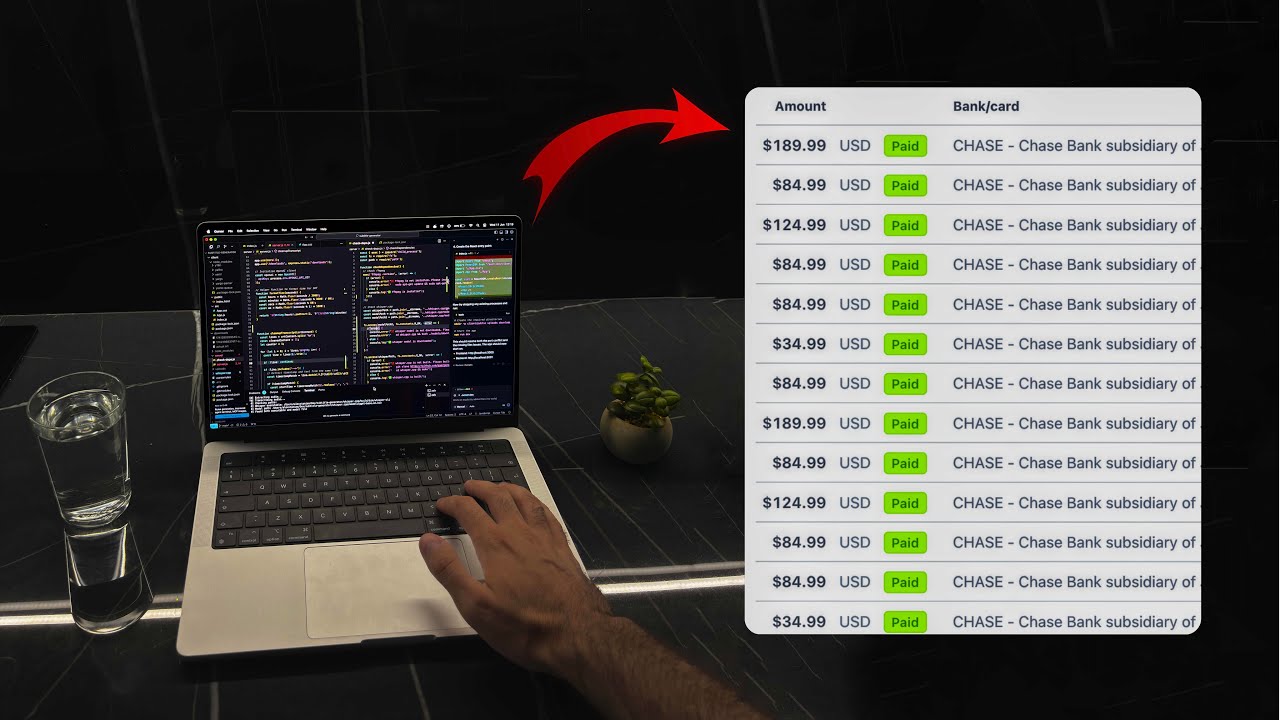
- The speaker shares their experience of earning over $6,000 monthly from several APIs developed in just days.
- A detailed video guide is recommended for beginners, including free lessons on creating and monetizing APIs.
Personal Reflections:
This content resonates with developers facing limitations in their income potential. It inspires a proactive approach toward leveraging coding skills to achieve financial independence through simple yet effective solutions.
By following the outlined steps, developers can transition from being employees to creators of profitable solutions in their spare time.
Watch the insightful video here:
Join the Learning Journey!
Follow me on social media to stay updated and be a part of our community: