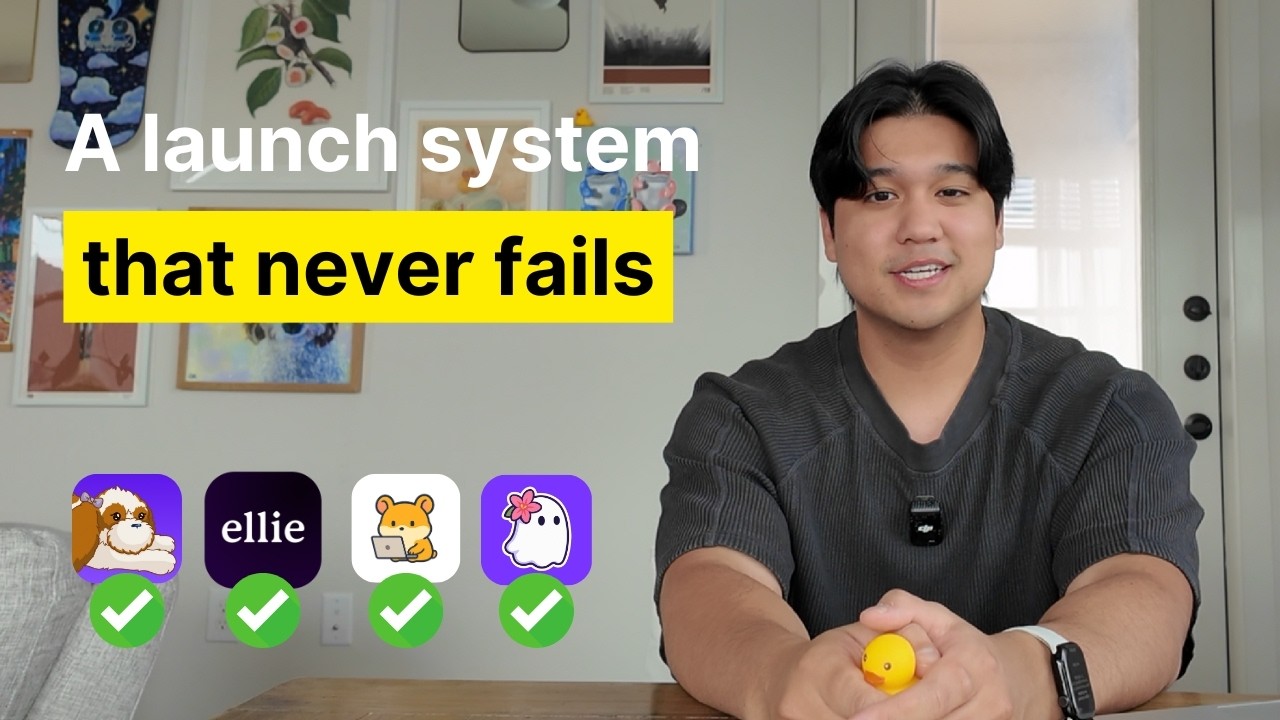
Valuable Insights from the Launch Framework Video
In the YouTube video titled "Things I ALWAYS Do Before Launching New Apps (4 Apps, 100% Profitable)" by Chris Raroque, invaluable insights are shared on the essential preparations needed before launching a new app. From establishing a waitlist to implementing feedback mechanisms, these strategies can set the foundation for a successful app launch.
Key Points:
- Launch Readiness: Establish a waitlist page before starting app development to gauge interest and build a list of potential beta testers.
- Importance of Analytics: Set up application analytics from the beginning to track user behavior and identify churn reasons. This helps inform product decisions.
- Implementing a Feedback Board: Create a platform for users to submit and vote on feature requests. Understanding user needs can prevent missteps in development and improve retention.
- Email Sequence System: Develop an email marketing strategy early on. Automated emails can enhance user engagement and retention through targeted communications post-signup.
- App Store Optimization: Invest time in creating an appealing app store listing, including high-quality screenshots, descriptions, and tags, to improve discoverability.
- Building a Landing Page: Create a dedicated landing page that showcases the app and drives downloads, distinct from the waitlist page.
Insights:
- User Engagement: Initiating a waitlist helps in building initial user interest and community around the app long before its launch.
- Churn Prevention: Early implementation of analytics can lead to quicker identification of issues causing user drop-off.
- Feedback Utilization: A feedback board provides invaluable insights directly from users, helping to steer development in a direction that meets actual needs rather than assumptions.
- Pre-Launch Preparation: Setting up email sequences and app store strategies ahead of time ensures smoother user engagement at launch.
Actionable Advice:
- Waitlist Setup: Use simple tools like Framer to create an effective waitlist page in under 10 minutes.
- Analytics Tracking: Integrate analytics tools early. Spend 30 minutes to set up analytics you can build upon later.
- Feedback Board Implementation: Utilize platforms like Canny to allow user feedback and prioritize development based on collective user insights.
- Email Automation: Consider using systems like Loops for email sequences that can nurture users through education about your app.
- App Store Listing Creation: Dedicate 3-4 days to craft compelling app store visuals and descriptions, as this can drastically affect download rates.
- Landing Page Design: Allocate at least one week to the creation of a landing page to effectively showcase your app to potential users.
Supporting Details:
- Tools Mentioned: Framer (landing pages and waitlist), FormSpark (email collection), Post Hog (analytics), Canny (feedback board), Loops (email sequencing).
- Apps in Context: Personal anecdotes from Chris's experiences illustrate the unpredicted utility of certain features based on user feedback.
- Importance of Timing: Understand the initial organic boost from the App Store upon launch, emphasizing the necessity of a strong launch presence.
Personal Reflections:
The emphasis on setting up systems (analytics, email, feedback) before launch resonates deeply with the necessity of proactive planning in app development. The insights shared about user engagement reflect broader business principles that can be applied across various fields, not just tech. The discussion around balancing preparation with the risk of waiting too long to launch encourages a mindset of iterating based on real user feedback, which aligns with agile development principles.
Watch the Full Video:
For a detailed look into Chris's strategies and insights, check out the full video here:
Conclusion:
By implementing these actionable insights and strategies, you can lay a solid foundation for your app launch. Preparation is key to ensuring user interest and retention as you embark on this exciting journey.
Join us on our learning journey! Follow me on social media for more insights: