14 Things You MUST Do After Launching Facebook Ads
The journey of launching Facebook ads is not a one-time task—it requires continuous effort and refinement. Below are the key insights derived from the video by Sam Piliero, which outlines the essential steps every marketer should take after launching their Facebook ad campaigns.
Key Points:
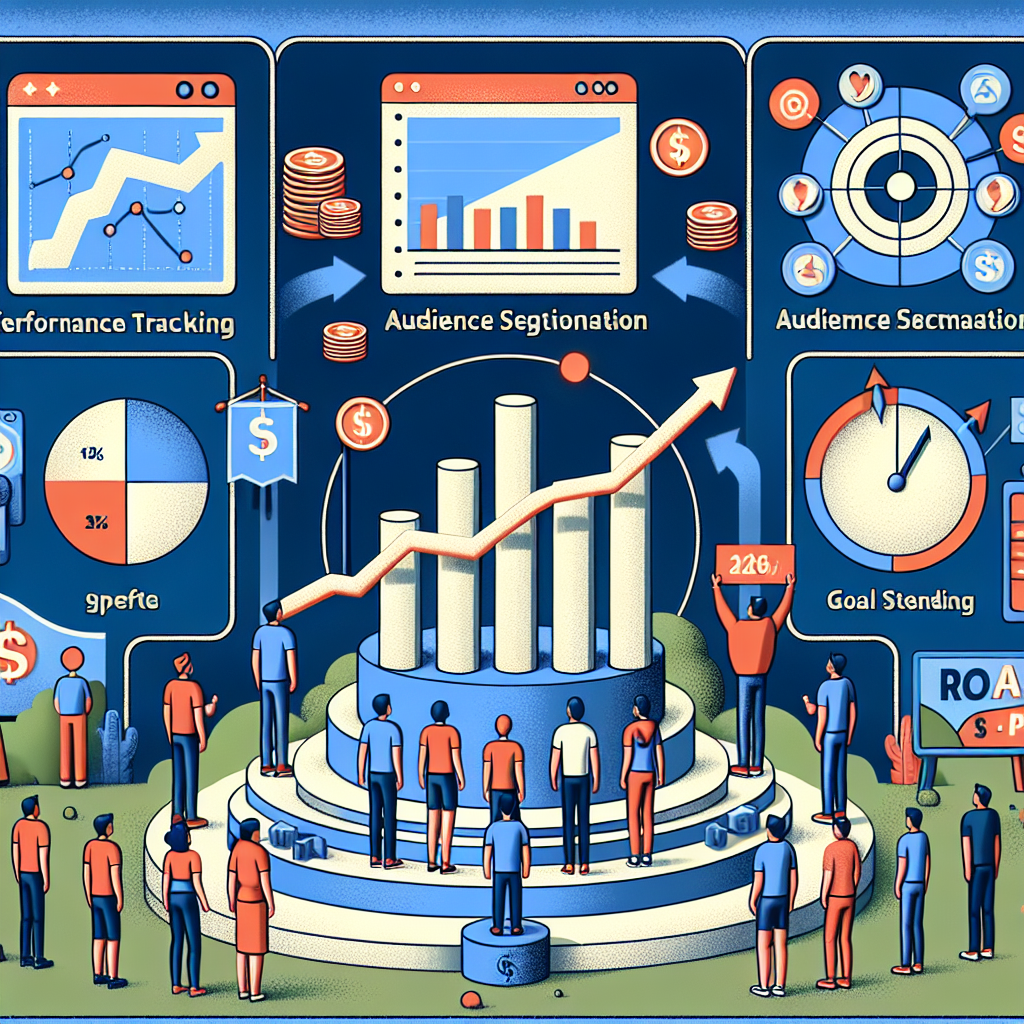
- Tracking Performance:
- Utilize dashboards to monitor key metrics and performance indicators continuously.
- Establish benchmarks for success to evaluate the efficiency of ad campaigns.
- Audience Segmentation:
- Set up distinct audience segments to tailor messages and optimize ad delivery.
- Experiment with different targeting options to find the most responsive audience segments.
- Goal Setting:
- Clearly define what success looks like (e.g., conversions, click-through rates, etc.).
- Regularly assess whether the current goals align with the marketing strategy and adjust them accordingly.
- Return on Ad Spend (ROAS):
- Calculate ROAS to determine the profitability of ads and make informed budget decisions.
- Focus on scaling ads that show positive ROAS and reconsider those that do not perform well.
- Ad Optimization:
- Identify successful ads based on performance metrics and leverage those insights to create similar content.
- Maintain a routine of testing and iterating ad creatives to keep content fresh.
Insights:
Common Pitfalls: Avoid making drastic changes too quickly after a campaign launch, as this can skew performance data. Neglecting to review ad performance can lead to wasted budgets and missed opportunities for improvement.
Iterative Process: Treat ad management as an ongoing process rather than a set-and-forget strategy. Continuous refinement leads to better outcomes.
Importance of Discipline: Establish a consistent review schedule for performance, ideally weekly or bi-weekly, to stay ahead of trends and performance issues.
Actionable Advice:
- Dashboard Creation: Set up a user-friendly dashboard that highlights critical metrics relevant to your goals.
- Regular Performance Reviews: Dedicate time each week to analyze metrics, highlighting any situations that require strategic changes.
- Testing: Run A/B tests on various elements of your ads (copy, visuals, audience segments) to identify which combinations yield the best results.
- Budget Allocation: Allocate more budget to ads that perform well, and pull back on underperforming ads.
- Adjust Targeting: Reassess audience demographics (age, gender, interests) regularly to ensure alignment with the campaign's objectives.
Supporting Details:
Examples of Success: Highlight case studies or examples of businesses that boosted their ROAS through disciplined review and adjustment of their ad strategies.
Additional Resources: Suggestions to explore further learning materials such as eBooks or courses on Facebook advertising for deeper insights into effective marketing strategies.
Personal Reflections:
The insights from this video align with the notion that digital marketing is heavily data-driven; success relies on the ability to adapt swiftly to performance metrics. The emphasized importance of disciplined, routine analysis resonates with the practices in other marketing channels, highlighting a universal truth in effective advertising.
Conclusion:
This video provides a comprehensive guide that serves not just as a checklist, but as a strategic framework for marketers to enhance their Facebook ad campaigns actively. By following these insights, marketers can avoid common pitfalls and pave the way for ongoing success.
To dive deeper and join our learning journey, follow us on our social media platforms:
- TikTok
- YouTube
- Email: isaiahdupree@techmestuff.com
- Discord
- Snapchat
- TechMeStuff