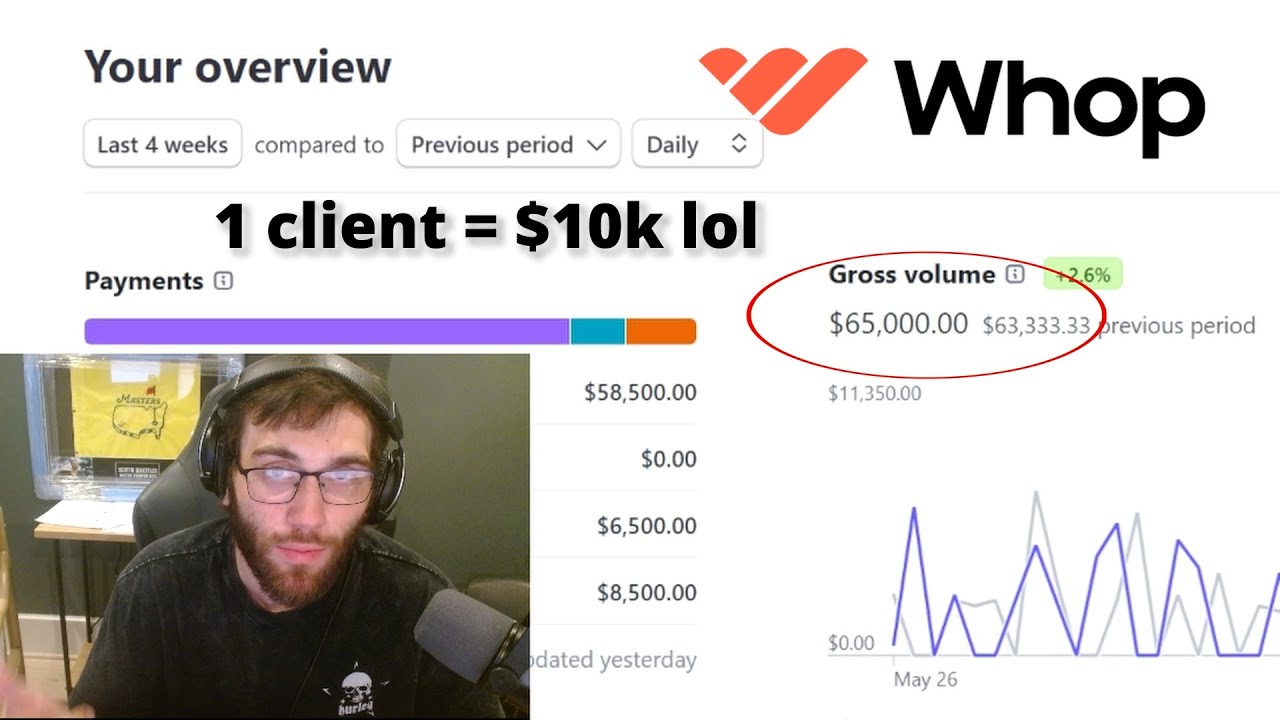
Valuable Insights from "How To Start a Clipping Agency (10k/mo)"

In a recent video by Nathan Johnson, he shares invaluable insights into starting a clipping agency with the earning potential of $10,000 a month. Here are the key takeaways from his discussion:
Key Points
- High Earning Potential: The speaker claims to generate over $100,000 monthly through clipping services, emphasizing that it’s feasible to earn $10,000 per month from just one client.
- Two Routes for Clipping: The two main approaches to operate a clipping agency include:
- Platform-Based Clipping: Utilizes a platform that manages mass clipping without needing to hire editors, charging clients based on their ad spend.
- Content Agency Model: Offers personalized clipping services, requiring higher initial investments from clients for strategy and management.
- Evergreen Content: Clipping involves repurposing valuable long-form video content into short clips for social media, which enhances the content's lifespan and reach.
- Building Trust and Scaling: Initial contracts should focus on delivering quality service to build trust, which can later be leveraged to upsell additional services or higher packages.
Insights
- Market Demand: There’s a growing need for influencers and businesses to maintain a strong social media presence, making clipping services essential.
- Quality vs. Quantity: While mass clipping can yield more clips quickly, agencies focusing on quality may charge higher fees and establish stronger client relationships.
- Strategic Positioning: By offering integrated services (clipping plus social media management), agencies can position themselves as essential partners rather than mere service providers.
Actionable Advice
- Client Acquisition: Use platforms like Instagram DMs to reach out to potential clients, starting with a lower-cost service to build trust.
- Service Packages: Offer tiered service packages, starting with basic content creation and upselling to more comprehensive strategies and larger budgets.
- Performance Tracking: Regularly involve clients in strategy meetings to analyze results and adapt approaches based on data analytics.
- Scaling Up: Once trust is established, propose scaling services, such as increasing the number of clips from 2 per day to 4, or creating fan accounts for ad revenue.
- Leveraging Ad Revenue: Structure deals that enable clients to benefit from ad revenue generated from fan accounts, enhancing their return on investment.
Supporting Details
- Platform Utilization: The speaker mentions platforms that create campaigns that pay based on views, minimizing costs related to hiring editors.
- Revenue Examples: Illustrates the financial potential by providing examples, such as earning 20% of a $125,000 ad budget ($25,000).
- Real Success Stories: Citing clients like Amalfi Jets and QCP enhances credibility and showcases successful partnerships utilizing clipping services.
Personal Reflections
The insights shared resonate with the growing importance of repurposing content in the digital age. Given the expansive reach of social media, the strategies highlighted stress the necessity for content creators to adopt multi-faceted approaches to maximize engagement. The balance between providing quality service and building client trust is crucial, as these relationships can lead to more significant revenue streams in the future. By implementing these strategies, professionals across various fields can anticipate similar successes within service-oriented businesses.
Want to Learn More?
For a more in-depth understanding, watch Nathan Johnson's video here:
Join us on our learning journey to stay updated with the latest insights! Follow me on social media: