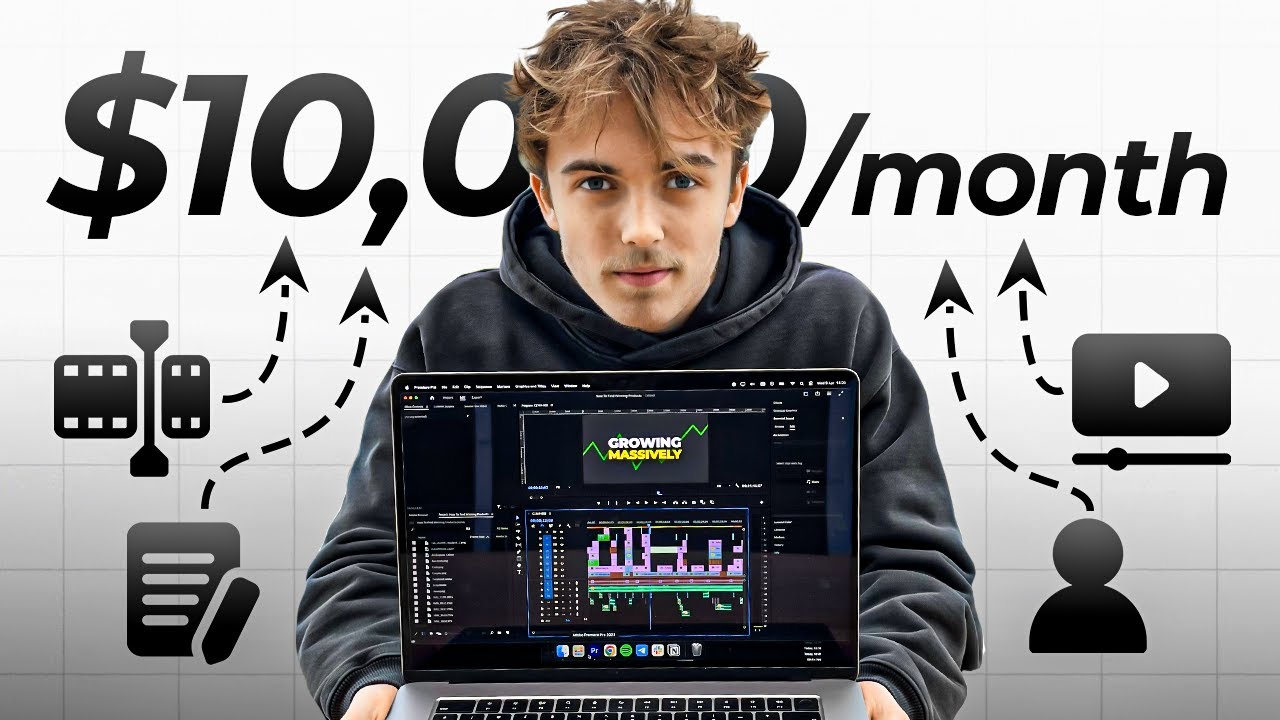
Valuable Insights from "I Built A System That Makes Any Editor Rich"

In today’s ever-evolving digital landscape, editors often find themselves trapped in a cycle of random work without a clear path to success. The enlightening video by Joseph Curtois sheds light on transformative strategies that can elevate any editor’s career.
Key Takeaways
- Freelancer Loop: Many editors face financial struggles because they lack a structured approach to client acquisition, leading to the “freelancer loop.”
- Client Acquisition System: A well-defined system can significantly increase income, allowing editors to scale from $1,000 to $10,000 per month by targeting high-value clients.
- Gorilla Acquisition Engine: This system emphasizes finding qualified leads over random creators, enhancing efficiency in client acquisition.
- Outsourcing Lead Generation: Delegating lead scraping to virtual assistants enables editors to focus on closing deals and content creation.
- Effective Outreach Strategy: Personalized outreach emails, including custom video critiques, significantly increase client engagement.
Insights That Matter
- Value of Systems Over Chance: Achieving financial success relies on implementing a reliable system rather than relying on luck.
- Investment in Outsourcing: Hiring a virtual assistant offers a high return on investment, enabling editors to scale their operations efficiently.
- Authenticity in Communication: Personalizing outreach creates genuine connections with prospects, leading to better responses.
Actionable Steps
- Identify Qualified Leads: Focus on creators with existing income and a following. Utilize a VA for efficient data scraping.
- Optimize Outreach Emails:
- Use engaging subject lines like “Question for [Name]” to boost open rates.
- Start with a personalized line referencing the prospect’s recent work.
- Offer upfront value with tailored Loom video critiques.
- Create Compelling Loom Videos:
- Maintain enthusiasm during recordings.
- Structure your content to be both challenging and insightful.
- Include a strong call to action encouraging them to book a call.
- ROI Focused Hiring: Seek VAs who can provide qualified leads cost-effectively to minimize acquisition costs.
Supporting Details
- A compelling first line in outreach emails is critical to avoid being ignored.
- Evidence of ROI is crucial; even minor investments in lead scraping can substantially increase monthly earnings.
Personal Reflections
This video inspires a shift from traditional freelancing to a sustainable business model. The effective strategies shared reflect the necessity of working smarter, not harder. Emphasizing personal connections and providing real value through tailored communications aligns with current trends in digital marketing. By applying these insights, editors can significantly transform their careers.
Watch the Full Video
For a deeper understanding, check out the full tutorial on YouTube:
Join Our Learning Journey!
Follow me for more insights and strategies that can help elevate your career: