
Valuable Insights from the Video "We Made $5,000,000 Using AI & Facebook Ads"
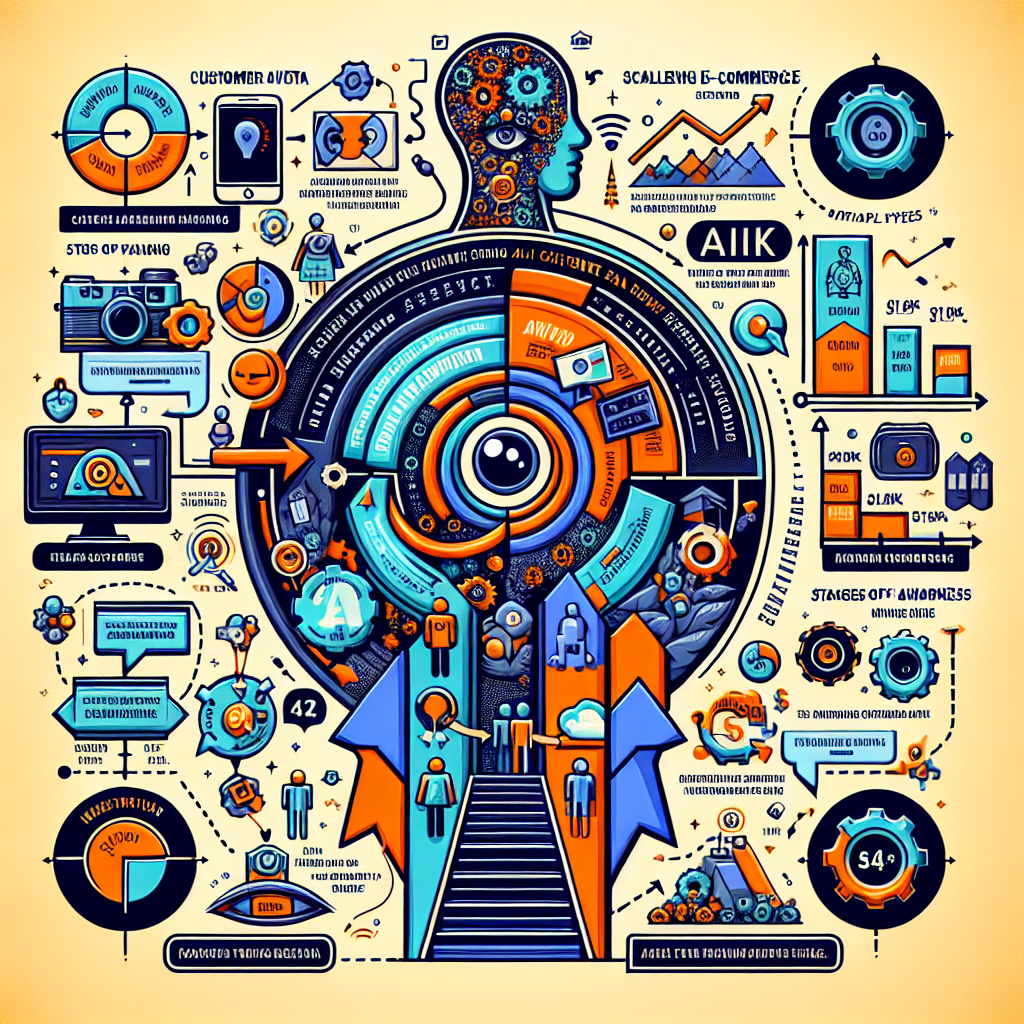
In the insightful video presented by Lachezar Voynov, the speaker shares powerful strategies for leveraging AI and Facebook Ads to drive substantial revenue growth in e-commerce. Below are the key takeaways and actionable advice from the video that can help businesses optimize their marketing strategies.
Key Points
- Customer Avatar Importance: E-commerce brands must recognize the significance of a well-defined customer avatar for scaling sales. Understanding different customer types is essential for targeted marketing efforts.
- AI Workflow Utilization: Leveraging AI tools like Claude for analyzing customer reviews improves targeting and creative strategies.
- Significant Revenue Growth: One client scaled from $100K to $450K in revenue within six months by refining customer targeting, with a potential for $500K by month-end.
- Customer Segmentation: Brands should recognize multiple customer segments and tailor marketing strategies accordingly rather than relying on a single avatar.
- Five Stages of Awareness: Understanding Eugene Schwartz's five stages of awareness is crucial, especially in converting less aware customers.
Insights
- Diverse Customer Needs: Businesses encounter multiple customer types with varying needs and pain points. It's vital to address these nuances for effective messaging.
- Emotional Triggers: Identifying emotional states and desires can enhance customer connection, making messaging more impactful.
- Language Resonance: Using customers' exact words in marketing fosters understanding and rapport, boosting conversion likelihood.
Actionable Advice
- Conduct Detailed Customer Analysis: Utilize AI tools to systematically analyze reviews and extract key pain points, motivations, and specific language for each segment.
- Create Customer Avatars: Develop detailed avatars encompassing demographics, challenges, and desired outcomes tailored for effective marketing.
- Test and Iterate: Use a structured approach to test various marketing angles based on different avatars, analyzing performance to refine messaging.
- Expand Ad Strategies: Allocate ad spend wisely across customer segments as business scales, optimizing based on performance data.
Supporting Details
- Top Customer Pain Points: Insights indicated issues with poor sleep quality, discomfort from previous mattresses, and health concerns regarding materials.
- Motivations for Purchase: Key motivations included preferences for non-toxic materials and solutions addressing couple sleep issues.
- Transformative Quotes: Customer quotes serve as powerful hooks for ads, articulating specific problems and solutions, enhancing marketing resonance.
Personal Reflections
The emphasis on understanding and segmenting the customer base aligns with best practices in marketing and sales. By effectively leveraging AI tools, businesses can gain a competitive edge in understanding customer needs. These strategies are applicable beyond e-commerce, serving as a model for any business aiming to enhance customer engagement and drive revenue growth. Implementing these insights could lead to significant improvements in marketing efficacy and business outcomes.
For a deeper dive into these strategies, watch the full video here:
Join the Learning Journey!
Follow my social media accounts to stay connected and continue your learning journey: