Valuable Insights from "Different AIs for Different Jobs"

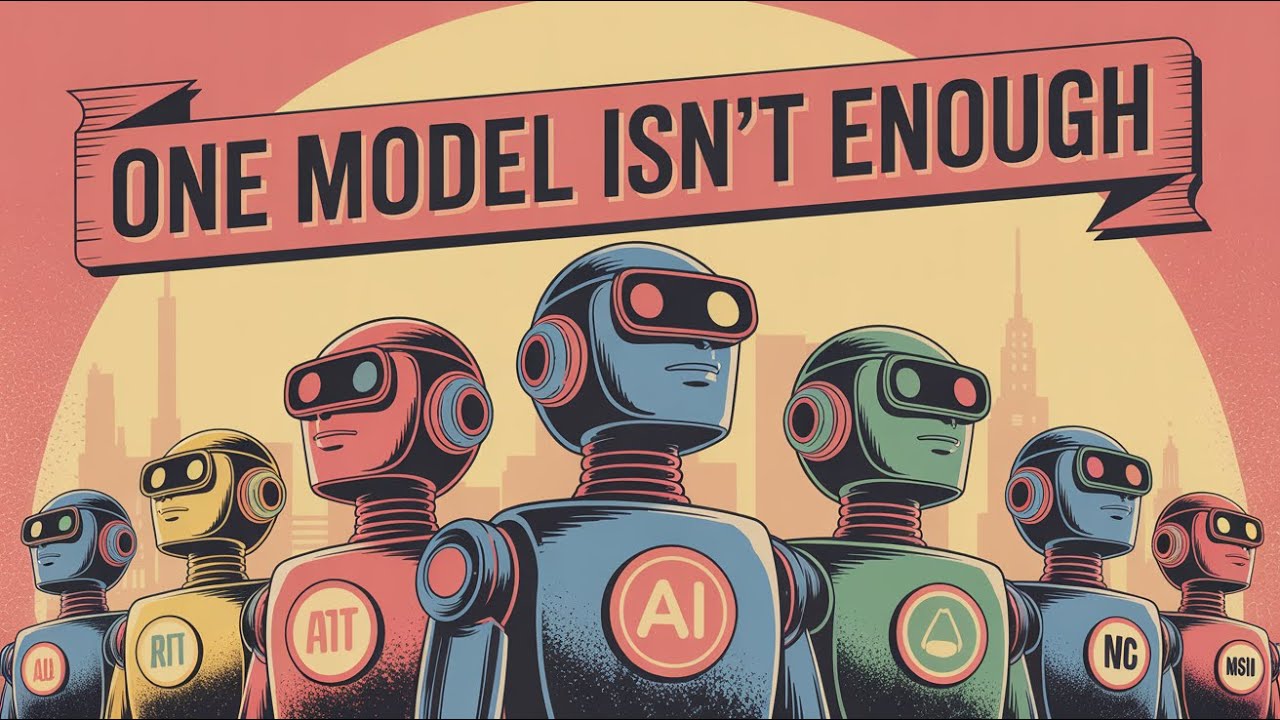
In the ever-evolving world of artificial intelligence, it's essential to understand that not all AI tools are created equal. As discussed in the video “Different AIs for Different Jobs” by The AI Daily Brief, leveraging a variety of AI models tailored for specific tasks can significantly enhance productivity.
Key Takeaways
- Diversity in AI Tools: Users who effectively leverage AI utilize a range of models rather than depending on a single solution.
- Microsoft's Strategic Use: Microsoft’s integration of Anthropic’s Claude alongside OpenAI's tools in Office 365 illustrates the benefits of using specific AIs for particular tasks like document creation.
- Comparative Performance: Claude has shown superior performance in creating visually appealing presentations compared to OpenAI's models.
- Market Dynamics: A competitive landscape propels firms to enhance their offerings, emphasizing functionality and pricing, particularly for enterprise users.
- Emerging Use Cases: New AI capabilities are revolutionizing workflows, indicating a future where complex document creation will become seamless.
Insights
- The competition among AI developers fosters continuous advancements, leading to highly efficient solutions.
- Recognizing the strengths of different models can inspire innovative applications, allowing users to be more productive.
Actionable Advice
- Utilize Different Tools: Experiment with various AI tools for specific tasks—for instance, use Claude for content generation and ChatGPT for conversational assistance.
- Monitor Performance: Stay updated on the performance of different AI models, especially with new releases. Base your choices on task requirements, not brand loyalty.
- Embrace New Features: Keep informed about updates and features to enhance productivity and workflow efficiency.
Supporting Details
- Claude’s document generation capabilities directly from conversations showcase critical advancements that simplify complex tasks.
- Google’s updates to video generation illustrate the trend towards affordability and quality in professional applications.
Personal Reflections
The insights shared in this video underline the importance of adaptability in technology. As AI tools continue to develop, maintaining flexibility and being open to diverse technologies will optimize productivity—both in professional environments and personal endeavors. Continuous learning about these tools will be pivotal for growth in today’s dynamic AI landscape.
For a deeper understanding, check out the full video here:
If you found this content valuable, join our learning journey! Follow me on: