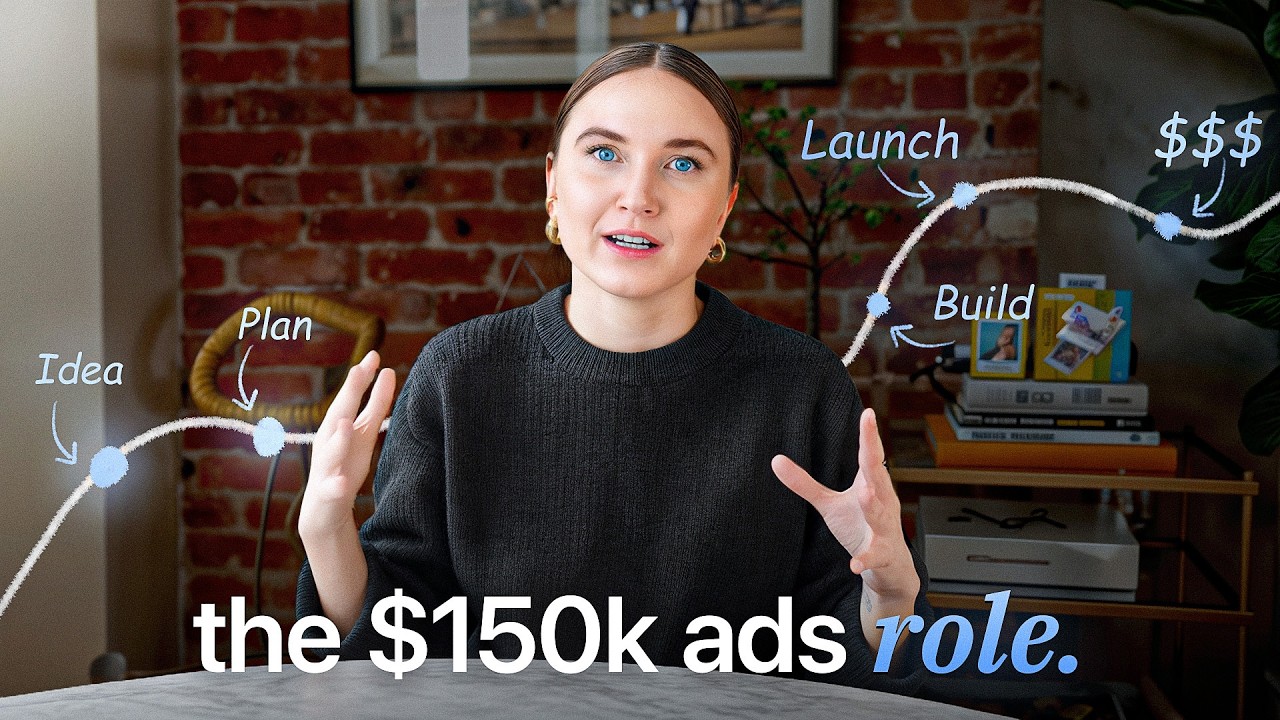
Valuable Insights from "How I'd Become a $150k Creative Strategist in 2025 (Starting from Zero)"

In the evolving world of marketing, the role of a creative strategist is becoming paramount. Drawing from Dara Denney's insights in the YouTube video "How I'd Become a $150k Creative Strategist in 2025 (Starting from Zero)", this post encapsulates key takeaways for anyone looking to thrive in this dynamic field.
Key Points
- Role Definition: Creative strategists are essential for creating compelling ads on platforms like Instagram and TikTok. This role has emerged strongly in recent years as companies struggle to find qualified candidates.
- Skill Set: The ideal skill set includes a blend of psychology, copywriting, analytics, project management, and an understanding of AI, which is crucial for driving business growth.
- Curriculum for Success: If creative strategy were a degree, it would encompass various domains—psychology, storytelling, consumer research, and project management—essential for a well-rounded strategist.
Insights
- The creative strategist is becoming more integral to business growth, often working closely with media buying teams rather than purely focusing on brand marketing.
- Understanding consumer psychology and motivations is paramount—knowing why people buy is a key insight for strategists.
Actionable Advice
- Mindset Development: Cultivate a growth-oriented mindset essential for thriving in this role.
- Networking: Build relationships with founders and strategists by engaging on social media platforms, focusing on authenticity rather than expecting quick responses.
- Content Creation: Establish a presence on LinkedIn, Twitter, and TikTok by sharing valuable insights and analyses of marketing strategies.
- Education: Engage in targeted courses to enhance knowledge, leveraging various available resources.
- Community Membership: Join marketing-related communities to connect with professionals and access potential job opportunities.
Supporting Details
- Exploring freelancing or gaining agency experience are suggested pathways for entering the field. Starting at smaller agencies can be particularly beneficial for gaining diverse experience.
- Tools like Motion help streamline creative strategies and analytics, pivotal for success in this role.
Personal Reflections
The insights resonate with the evolving landscape of marketing, emphasizing that adaptability and continuous learning are crucial. Personal experiences highlight the value of networking and practical knowledge in transitioning careers.
Interview Preparation
- Focus on process-oriented answers and the capacity to adjust strategies based on performance data.
- Highlight your industry knowledge, passion for learning, and capability in handling team dynamics during interviews to demonstrate readiness for the role.
Ten Commandments of a Top-Tier Creative Strategist
- Prioritize performance measurement.
- Be customer-focused and proactive in research.
- Accept full responsibility for tasks and deliverables.
- Acknowledge personal weaknesses and seek improvement.
Future Outlook
With the rise of AI and emerging technologies, the potential for creative strategists will continue to grow, leading to more lucrative positions and expanded roles beyond traditional definitions of the job.
Conclusion
In conclusion, those looking to excel as creative strategists must be proactive in building skills, networking, and adapting to industry shifts, particularly the increasing importance of AI and data analytics in marketing strategies. To learn more and stay updated, follow us on our social media channels!
Join Our Learning Journey
Connect with me on social media for more insights: