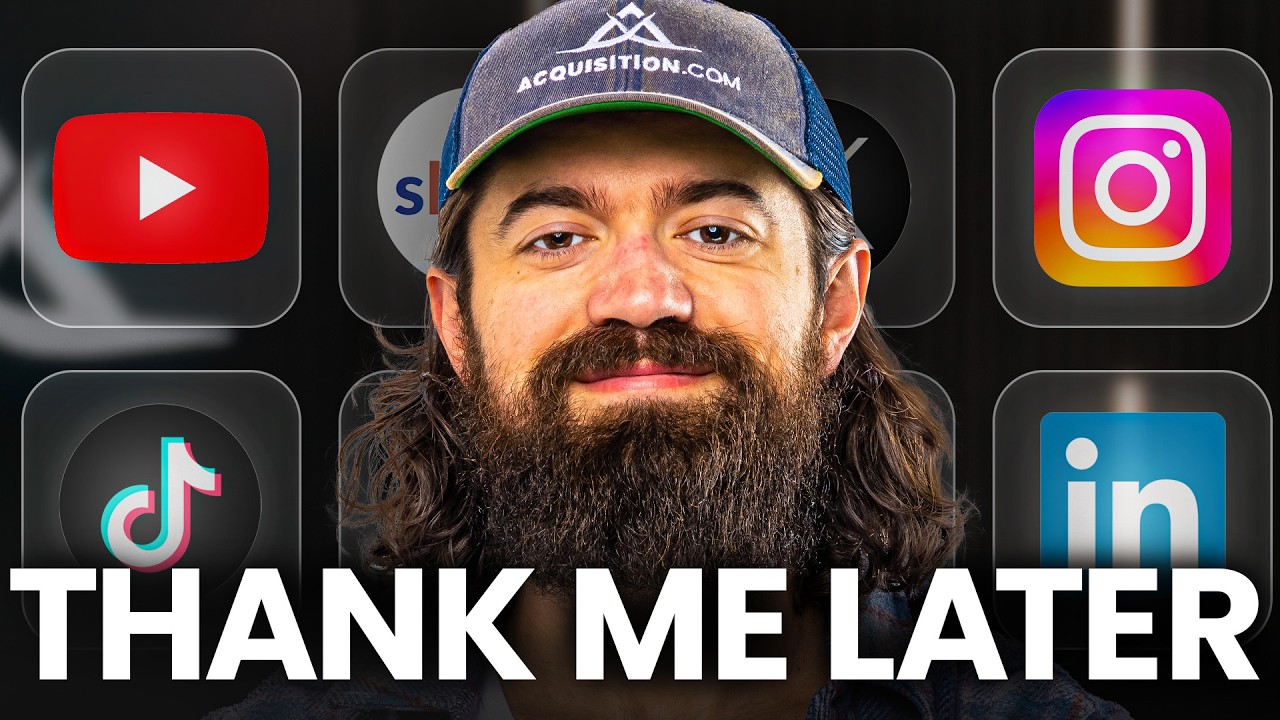
Valuable Insights from "How I'd Create Content in 2025 (If I Had To Start Over)" by Alex Hormozi
In his enlightening video, Alex Hormozi shares what he would do if he had to start over in content creation. Here are the key takeaways and actionable insights from his modern strategy:
Key Points:
- Content Volume and Quality: Hormozi emphasizes the importance of producing a high volume of content (35,000 pieces in a year) and the necessity of crafting that content to attract the right audience.
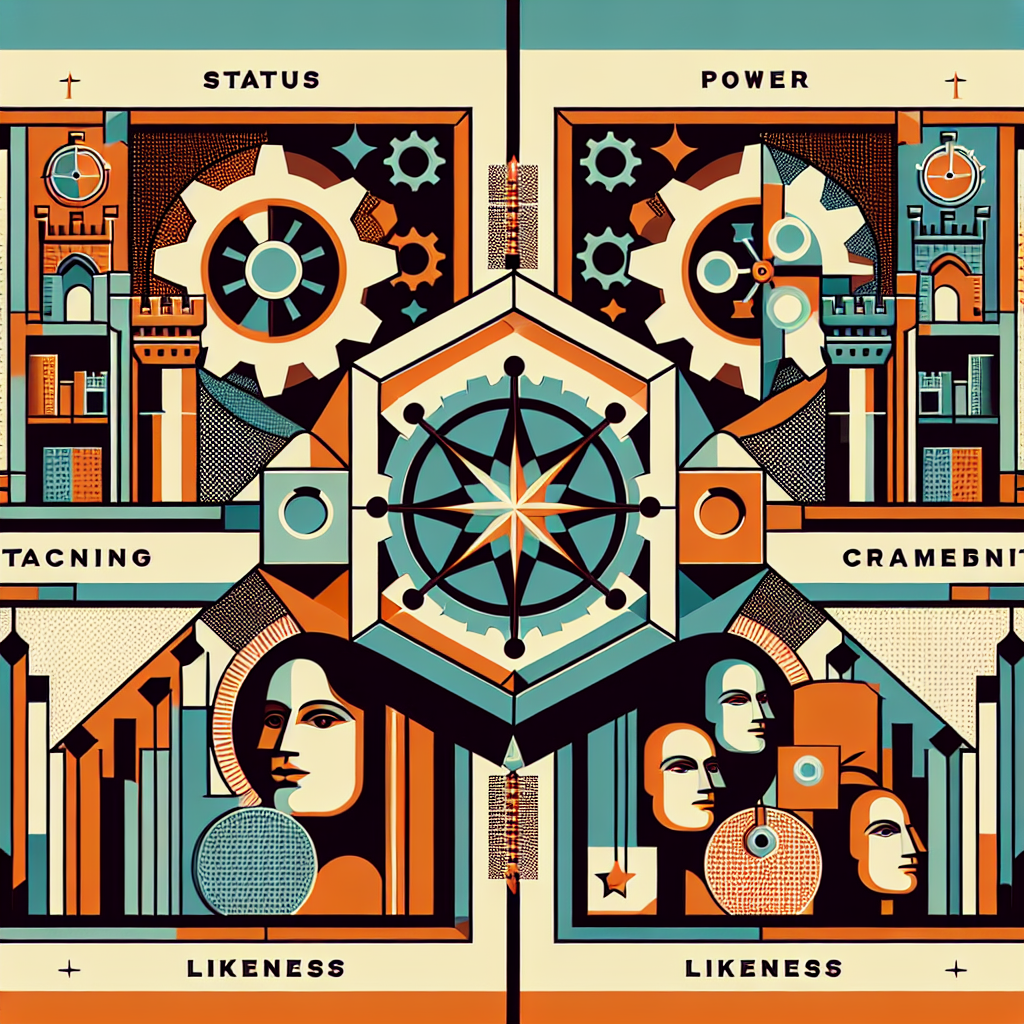
- SPCL Framework: He introduces the SPCL framework, which stands for Status, Power, Credibility, and Likeness, as essential components for building influence in content creation.
- Status: Defined by controlling scarce resources, likened to a bartender at a busy bar whose status diminishes when they leave.
- Power: Comes from "say-do correspondence," meaning past successful actions lead to future influence.
- Credibility: Established through demonstrable achievements and third-party validation, such as a successful book launch adding to claims of expertise.
- Likeness: Relatability plays a crucial role; people follow those they feel connected to.
Insights:
The SPCL framework illustrates how different aspects of influence impact one another. For example, having money (status) can lead to credibility, enhancing power.
Hormozi draws an analogy between parental influence and the SPCL framework, highlighting how parents embody these elements to program compliance in their children.
Actionable Advice:
- Combination of SPCL: Creators should aim to stack all four elements—status, power, credibility, and likeness—in their content to maximize influence. For instance, when promoting a product, highlight your status, credibility, and maintain likeness by being authentic.
- Lean into Authenticity: Embrace your true self instead of fitting into stereotypes; this fosters a deeper connection with the audience.
- Demonstrate Value: Ensure your content showcases valuable insights and actionable steps that reinforce your influence.
Supporting Details:
- Hormozi shares his success with a book launch that demonstrated status and credibility while providing valuable insights, leading to increased trust.
- The significance of third-party validation shows the need for trustworthy sources to prove success claims.
Personal Reflections:
The SPCL framework serves as a comprehensive guide for building influence, applicable not only in content creation but also in personal branding and entrepreneurship. Emphasizing authenticity aligns with my experiences where genuine engagement led to better outcomes.
Conclusion:
By articulating these insights through the SPCL lens, content creators can strategically enhance their influence and engagement levels, ensuring their messages resonate with their desired audiences.
For a deeper understanding, watch Alex Hormozi's full video here:
Join me on this learning journey and follow my social media accounts for more insights and updates: