
TL;DR
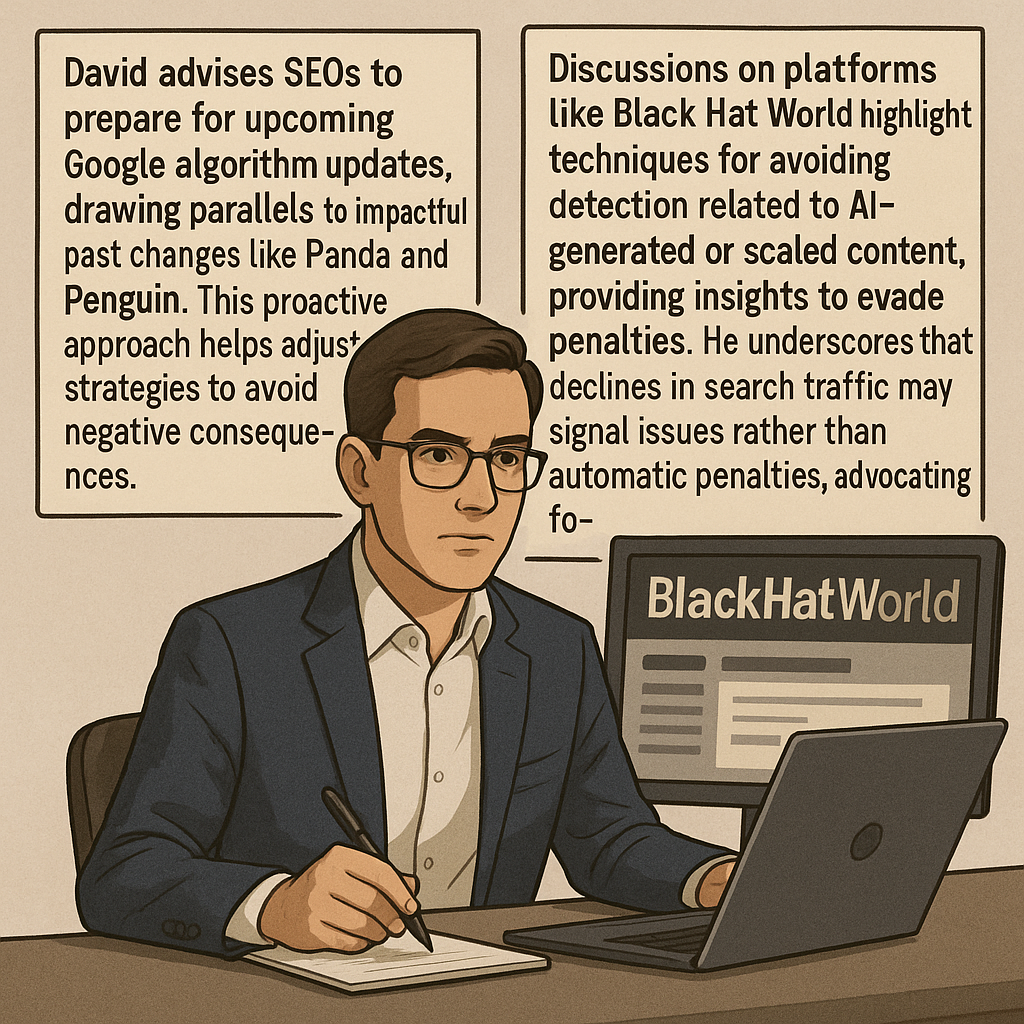
Google's upcoming algorithm updates are set to impact how content is assessed and ranked, similar to past updates like Panda and Penguin. SEO professionals must be proactive in adjusting strategies, monitoring their traffic and search positions, and embracing a more creative approach to content creation to stay ahead of potential penalties and maintain rankings.
The Problem
Many marketers are currently navigating the turmoil of sudden traffic drops and issues with AI-generated content. There's a palpable anxiety surrounding how scaled content will fare in light of Google’s impending algorithm changes. The reliance on such automated content creation strategies can lead to penalties if not handled properly. Thus, SEO professionals could find themselves unprepared for the consequences stemming from updates that are likely more significant than recent changes. This environment creates a gap in knowledge and preparedness, necessitating a robust approach to SEO strategy adaptation.
The Strategy
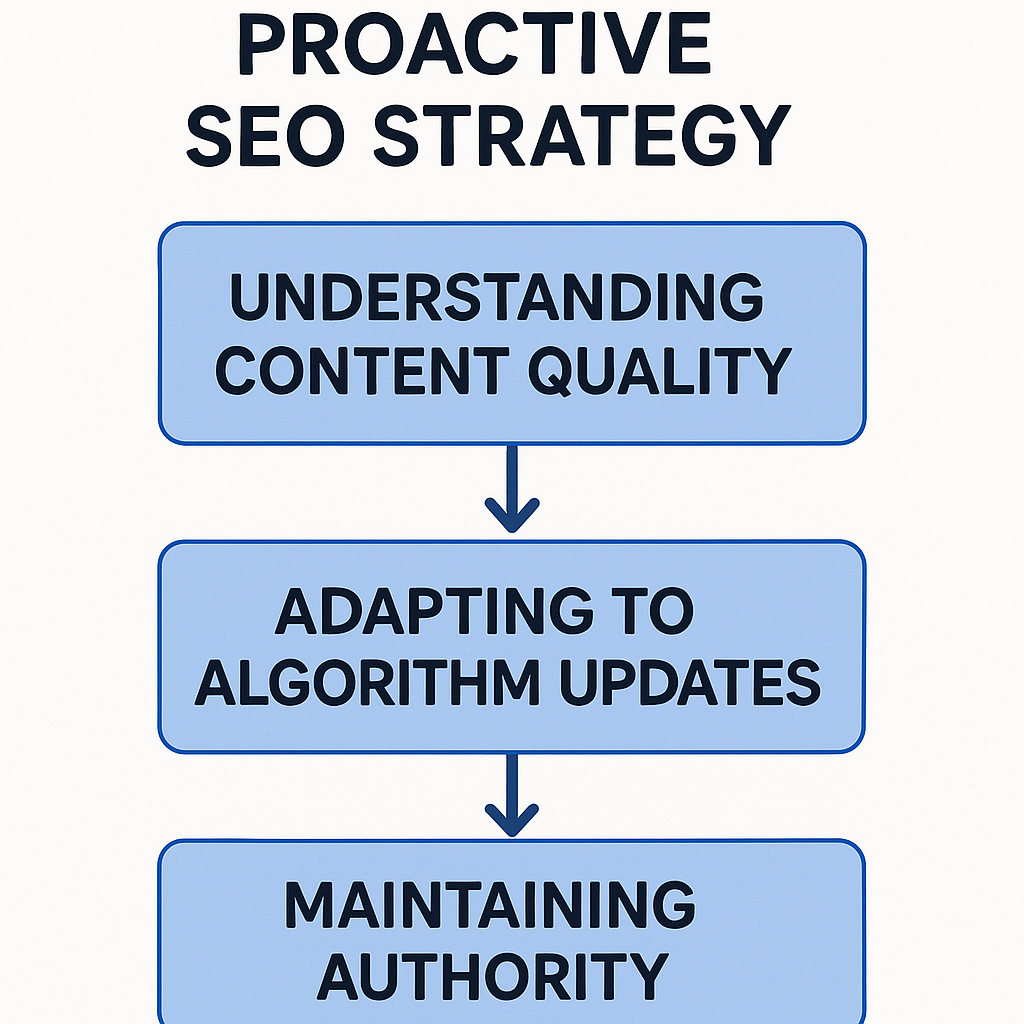
The core strategy revolves around being proactive and adaptive in response to algorithm updates by focusing on a deep understanding of how Google assesses content quality and authority. This involves regular monitoring of search metrics, refining content assessment processes, and embracing creativity in writing. By preparing for algorithm changes rather than reacting in panic, SEO practitioners can ensure their content remains relevant and aligns with evolving standards. The primary goal is to mitigate risk from search engine penalties and maintain steady traffic.
How It Works (Step by Step)
Step 1: Monitor Algorithm Trends
- Stay updated with SEO forums, industry news, and official Google announcements regarding algorithm changes.
- Identify patterns and predictions related to major updates similar to historical ones like Panda and Penguin.
Step 2: Analyze Traffic Changes
- When experiencing traffic drops, use analytical tools to assess changes in search position instead of jumping to conclusions about penalties.
- Look for patterns indicating external factors or internal site issues that could be resolved.
Step 3: Update Content Creation Practices
- Evaluate current content strategies, focusing on quality over quantity. Ensure content is engaging and adds value.
- Experiment with various communication styles and formats to break from traditional structures. This will help in creating unique reader experiences.
Step 4: Use AI Thoughtfully
- Integrate AI-generated content where it can complement high-quality, authentic writing, ensuring it serves a strategic SEO purpose.
- Evaluate the impact of AI content on rankings continuously and adjust the approach as needed.
Step 5: Stay Agile
- Maintain a flexible content strategy that can easily adapt to algorithm changes.
- Regularly revise SEO techniques based on ongoing performance data and situational changes.
Examples from the Source
David mentioned that a significant Google algorithm update is imminent, which he likened to past updates like Panda and Penguin. He emphasized that AI automation in website design for SEO may breach Google's terms of service, leading to unforeseen consequences.
He noted that the recent updates will seem minor compared to what is coming. SEOs and marketers need to prepare for these changes. There is a growing trend among developers to rely on scaled content, leading to a surge in the creation of numerous pages quickly without a solid understanding of SEO.
This has sparked discussions in forums like Black Hat World about avoiding detection by Google. David predicts that Google will roll out several updates to address this issue, which could result in many sites being affected.
He also highlighted that many people are currently experiencing traffic drops, attributing them to AI automation. However, he cautioned that a decline in search position and traffic can indicate a problem that can be fixed. Understanding the reasons behind traffic changes is crucial, rather than hastily assuming a penalty for using scaled content.
Google's approach will likely involve adjusting its algorithms to refine how it interprets content and identifies authoritative sites. David referenced an example of a user incorrectly believing they had received a penalty for scaled content when, in reality, the issue stemmed from changes in how Google assesses semantic keywords.
He stated that Google's updates might not necessarily enforce strict content structures, allowing for a variety of communication styles across the web. Changes in grammar and vocabulary over time show that Google does not aim to restrict creativity or freedom of expression.
Regarding the concept of scaled content and AI-generated text, David explained that the way content is produced is less important than the end result's impact on SEO. AI-generated content can be effective when used properly.
The bottom line, those in the SEO field should focus on understanding algorithm changes, monitoring their search positions, and adapting their content strategies in response to potential updates. It’s vital to stay informed and prepared as the landscape of search engine optimization continues to evolve.
Common Pitfalls
Many SEO practitioners fall prey to several misconceptions or errors in their strategies:
- Assuming penalties without analysis: A sudden drop in traffic does not automatically indicate a Google penalty. Misinterpretation can lead to misguided corrective actions.
- Over-reliance on AI-generated content: Relying solely on automated content could hurt user engagement and brand authenticity.
- Failure to monitor search positions regularly: Neglecting to track search position fluctuations means missing opportunities to react quickly.
- Not embracing diverse content formats: Sticking too rigidly to traditional content structures can limit creativity and hinder performance.
Action Checklist
- Regularly check credible sources for algorithm changes and industry trends.
- Set up alerts for significant drops in search position or traffic to enable timely investigations.
- Reassess your current content strategy focusing on quality and engagement.
- Integrate successful AI-generated content while ensuring human oversight for quality control.
- Experiment with different content formats and styles to find what resonates best with your audience.
- Engage with forums or communities to stay current with tactics others are employing successfully.
- Document performance data regularly to make informed adjustments to your strategies.
Watch the Full Video
Want more like this?
The full archive of strategy + AI articles lives at strategythread.app, curated weekly, no fluff.