
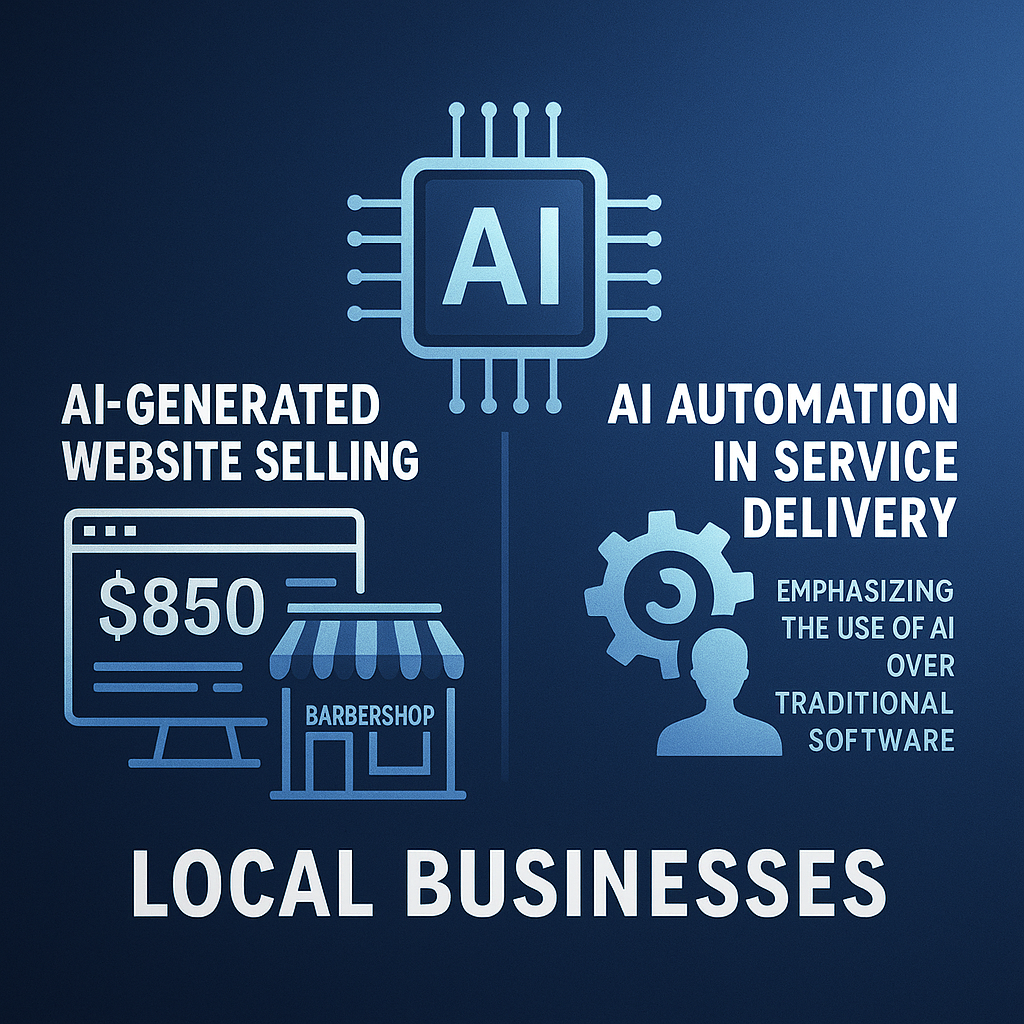
 Ever thought you could upend your business model with just a few AI tools in place? Imagine charging $850 for an automated website generated in a flash. It might sound like fantasy, but it’s the reality of leveraging AI for service delivery, a strategy that can transform any local business owner into an early adopter with a competitive edge.
TL;DR
Brett Malinowski shares an insightful strategy for building an AI-driven service business. The key is offering AI-generated websites to local businesses, leveraging automation to streamline operations, and creating an effective lead generation and prospecting system using schemes like Claude Co-work.
The Problem
Many local businesses struggle with creating and maintaining an effective online presence. Busy business owners rarely have the time to create their own websites, leading many to have poor or outdated online visibility. Traditional business models often fail to adapt quickly to technological changes, leaving a huge gap wherein businesses spend vast amounts on services that could be automated.
The Strategy
The strategy here is robust and direct: utilize AI to deliver services instead of merely offering software solutions. This model ensures continuous improvement as AI capabilities expand, transforming the problem of website creation into a streamlined process that is faster and more efficient. The philosophy of "services as the new software" articulates this well, illustrating the capitalizing on arbitrage opportunities arising from technological advancements outpacing market adaptations.
How It Works (Step by Step)
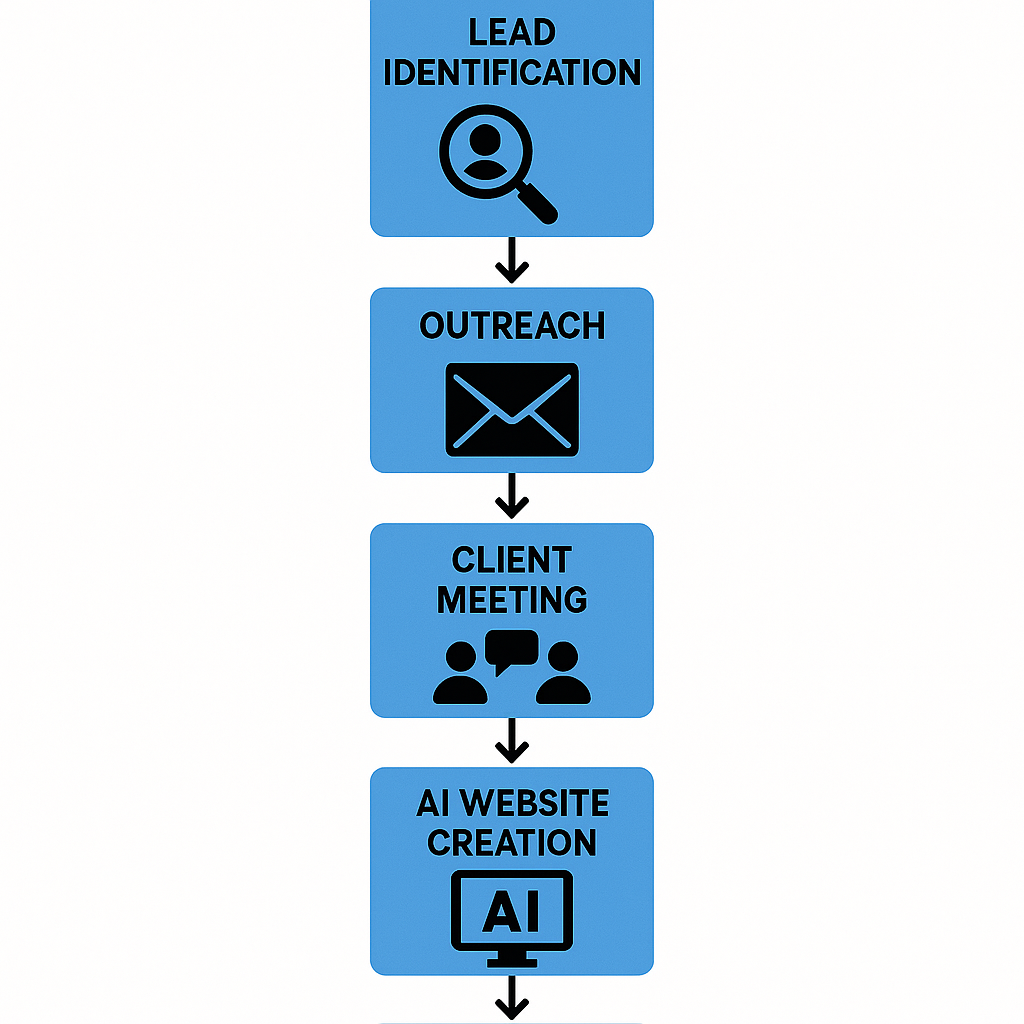
Identify and Prospect Local Business Leads
The first step is target selection. Focus on local service providers such as barbershops, HVAC companies, and restaurants, businesses likely saddled with inadequate websites.
Create and Manage Projects via Claude Co-work
Use Claude Co-work to manage and execute project tasks more efficiently. Set up your project with clear goals: to offer website services to local businesses. This includes clear instructions for automating lead prospecting and website generation.
Automate the Prospecting Process
Develop a scoring system in Claude for identifying potential leads, ensuring those with few or subpar websites are emphasized.
Organize a Lead List
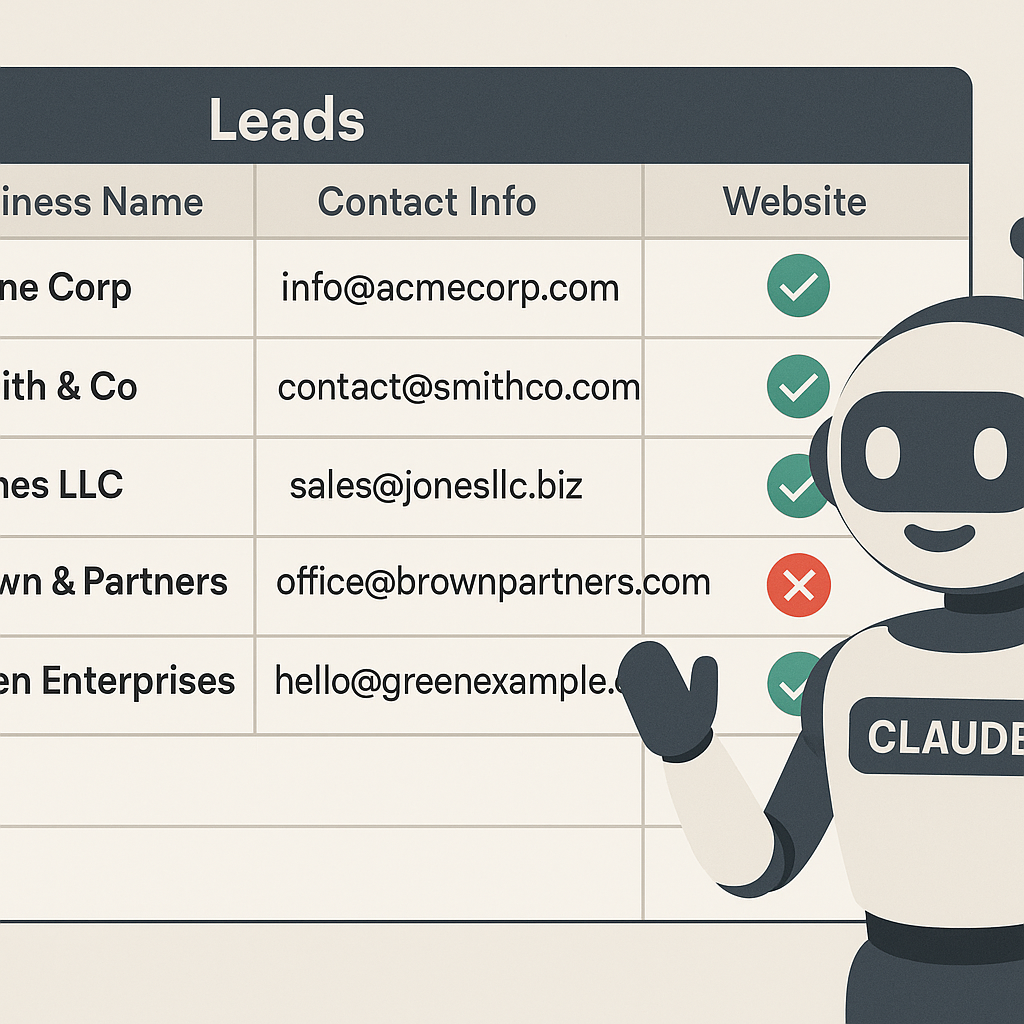
Create a lead spreadsheet to monitor and keep track of your outreach efforts. This organization facilitates targeted and efficient prospecting, integrating smoothly with Claude’s operations.
Implement Scheduled Automation for Daily Lead Updates
Embed a scheduled task within Claude, thereby adding 25 new leads each day at 7:00 a.m. This automates the continuous refresh of your lead database.
Verify Automation Effectiveness
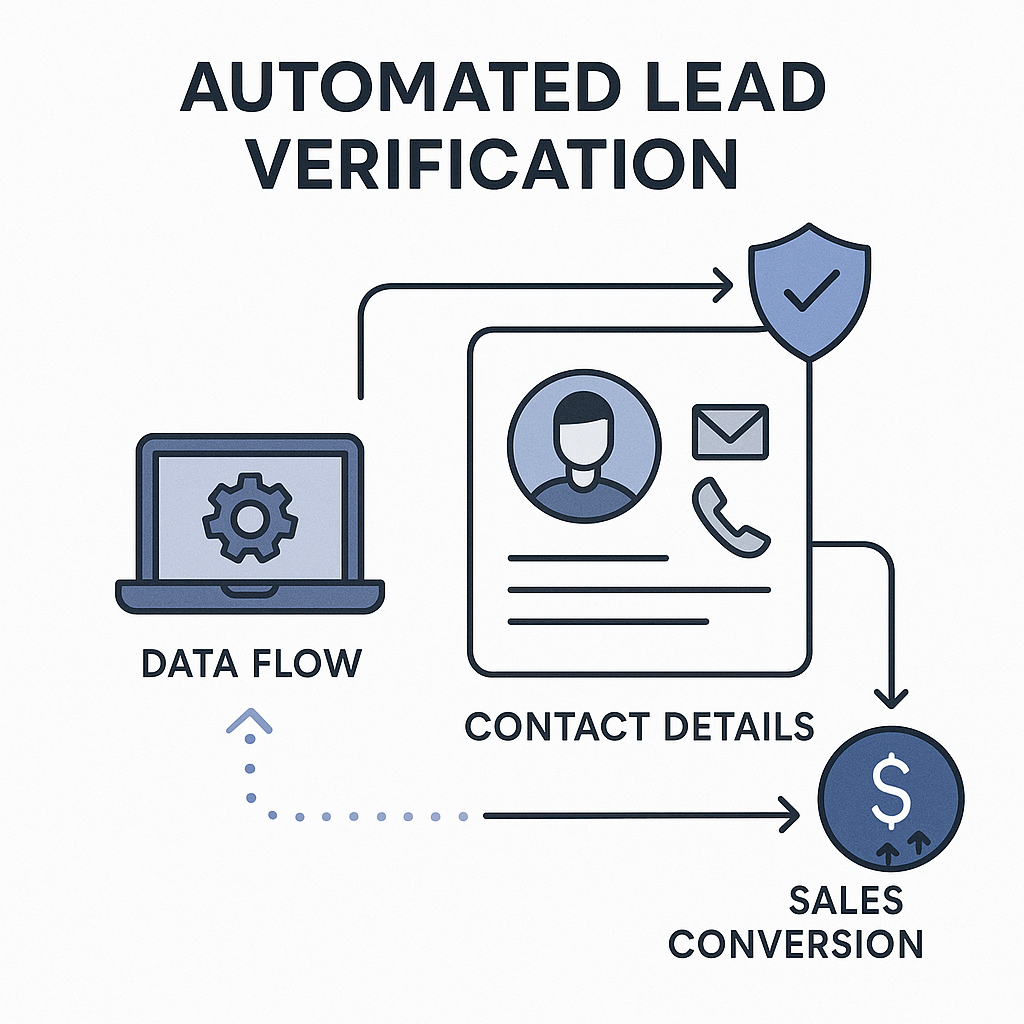
Regularly test the automated system to ensure that leads are accurately categorized with contact details intact. This helps maintain stable information flow crucial for sales conversions.
Examples from the Source
What I'm about to show you feels unfair because it gives you an unfair advantage in business over the next 12 months. I've been seeing TikToks of people calling local businesses, pitching them a new website, and saying, "I already made it for you." Then, they send over an AI-generated website. The business owners review it, like it, and pay an installation fee...on his third call, he got a barbershop to pay $850 for an AI-generated website made in 2 minutes.
Common Pitfalls
- Failure to clearly define project objectives can lead to inefficient outcomes and wasted effort. Explicit instructions in Claude are essential.
- Avoiding large chains is crucial, as these businesses may not see the value proposition of small-scale AI-generated websites.
- Lack of timely adjustment to automations could result in ineffective prospecting and reduced sales potential.
Action Checklist
- Set up an account with Claude Co-work for managing AI tools and projects.
- Establish clear objectives and project plans within Claude to guide service delivery.
- Create a prospecting skill with a scoring system to identify high-potential local business leads.
- Develop a comprehensive lead list spreadsheet to organize and track potential clients.
- Schedule daily automation tasks in Claude to continually update your lead database.
- Regularly test and review system performance to ensure contacts and client data are managed appropriately.
- Engage with business owners swiftly once AI-generated websites are constructed and approved.
Watch the Full Video
Want more like this?
The full archive of strategy + AI articles lives at strategythread.app, curated weekly, no fluff.